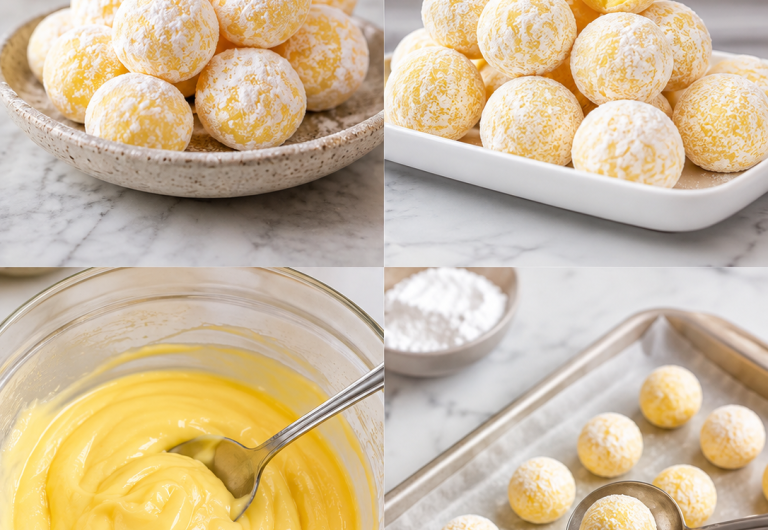

If you are looking for an easy lemon dessert that feels special without requiring a complicated baking project, these lemon truffles are an excellent choice. Made with just four ingredients, these homemade lemon truffles combine creamy white chocolate, rich heavy cream, fresh lemon zest, and confectioners’ sugar for a smooth, bright, melt-in-your-mouth treat. Because they are completely no-bake, they are especially convenient for warm-weather desserts, holiday cookie trays, parties, afternoon treats, or any occasion when you want something sweet without turning on the oven.
Why These Lemon Truffles Are So Easy
- One of the best things about this easy lemon truffle recipe is how little equipment and preparation it requires. There is no dough to mix, no oven temperature to monitor, and no complicated candy-making technique involved. The filling begins with a simple white chocolate ganache made by gently combining white chocolate and heavy cream. Fresh lemon zest is then stirred into the mixture, giving the truffles their distinctive citrus flavor. After the ganache firms in the refrigerator, it can be portioned, rolled, and coated with confectioners’ sugar.
- These homemade lemon truffles are also a useful make-ahead dessert because the ganache needs time to chill before it can be shaped. That resting period is not active cooking time, so most of the work can be completed quickly before the mixture goes into the refrigerator. Once chilled, the truffles can be prepared in batches and kept refrigerated until needed. Their small size makes them particularly suitable for dessert platters, holiday gatherings, edible gifts, or a simple sweet bite after a meal.
What Gives Lemon Truffles Their Flavor
Fresh lemon zest is the ingredient that brings the white chocolate filling to life. White chocolate has a naturally sweet, creamy flavor, while lemon zest contributes fragrant citrus oils and a fresh, slightly tangy character. The amount of zest can be adjusted within the recipe’s stated range depending on how pronounced you want the lemon flavor to be. One large lemon provides a pleasant citrus note, while zest from two large lemons creates a more noticeable lemon-forward flavor without changing the basic method.
The quality of the white chocolate is also important because it forms the main structure of the truffle mixture. The original recipe specifies white chocolate and notes that certain baking chips and baking bars work particularly well. Choosing a good-quality white chocolate helps create a smoother ganache and a more pleasant final texture. Finely chopping larger pieces of chocolate before adding the cream can also help them melt evenly, while chocolate chips can be used without chopping when they are already small enough to melt efficiently.
How the White Chocolate Ganache Comes Together
The foundation of these no-bake lemon truffles is a white chocolate ganache. Rather than heating the chocolate directly over a burner, the recipe uses a gentle double-boiler method. A heat-safe bowl is placed over a saucepan containing a small amount of simmering water. The steam from the water warms the bowl gradually, allowing the white chocolate and cream to melt together with better control. This method is useful because white chocolate can be more sensitive to excessive heat than darker chocolate.
The cream is poured over the white chocolate once the water underneath has reached a gentle simmer. The mixture is heated and stirred occasionally until roughly half of the chocolate has melted. At that point, the bowl is removed from the saucepan, and the residual heat helps finish the melting process. Continuing to stir away from the heat allows the chocolate to become smooth without unnecessarily exposing it to high temperatures. If a few pieces remain unmelted, the bowl can briefly return over the simmering water before stirring again.
Adding Fresh Lemon Zest
Once the white chocolate ganache is completely smooth, the lemon zest can be incorporated. Adding the zest after the chocolate has melted keeps the preparation straightforward and ensures that the citrus flavor is evenly distributed throughout the creamy mixture. Use finely grated zest so that the lemon pieces are small enough to blend naturally into the truffles. Avoid including large amounts of the white pith beneath the yellow outer skin because it can contribute an unwanted bitter flavor.
The amount of lemon zest is flexible within the recipe. For a gentle lemon dessert, zest from one large lemon provides a balanced citrus flavor against the sweetness of white chocolate. If you prefer a stronger homemade lemon truffle with a more pronounced citrus character, use zest from two large lemons. Since the lemon flavor comes primarily from the zest rather than lemon juice, the recipe maintains the consistency needed for a firm ganache that can be rolled into balls.
Chilling the Truffle Mixture
After the lemon zest has been mixed into the ganache, the mixture needs to become firm enough to handle. Cover the surface directly with plastic wrap and refrigerate it for approximately one to two hours. Placing the wrap directly against the ganache helps protect the surface while it chills. The exact chilling time can vary depending on the temperature of the refrigerator, the size and shape of the container, and how quickly the chocolate mixture cools.
The goal is a firm but workable consistency rather than a mixture that is completely hard. Once chilled, the ganache should hold its shape when portioned and rolled. If it seems too soft to shape neatly, additional chilling time can help. Conversely, if the mixture has become particularly firm, allowing it to sit briefly at room temperature can make scooping and rolling easier. Working efficiently also helps maintain a consistent texture as the truffles are shaped.
Shaping Homemade Lemon Truffles
A tablespoon-size scoop is a convenient way to portion the chilled ganache into evenly sized pieces. The original recipe yields approximately 25 truffles when this size scoop is used. After portioning, gently roll each piece between your hands until it forms a smooth ball. There is no need to press or compact the mixture aggressively. Light handling helps preserve the creamy texture while producing a neat shape suitable for serving.
Once the balls have been formed, they can be rolled in confectioners’ sugar for a classic finish. The fine sugar creates a delicate coating that contrasts nicely with the creamy lemon center. The truffles can also be served without a coating if you prefer a simple, minimalist appearance. For occasions when you want to customize the presentation, suitable toppings include sprinkles, crushed freeze-dried berries, turbinado sugar, or chopped nuts, giving the same basic lemon truffle recipe several different finishing options.
How to Serve Lemon Truffles
These lemon truffles are best enjoyed at room temperature because the filling becomes softer and creamier as it warms slightly. The truffles should not, however, be left in a warm environment for extended periods because the ganache can become too soft. For parties or gatherings, keep them refrigerated until reasonably close to serving time, then arrange them on a serving plate or dessert tray. This approach gives the truffles time to reach a pleasant texture without leaving them exposed to warmth for several hours.
Their small size also makes these white chocolate lemon truffles versatile enough for many occasions. They can be included on a holiday dessert platter, served alongside other homemade sweets, placed on a party table, or offered as a simple after-dinner treat. Because the recipe does not require baking, it can be particularly useful when the oven is already occupied with other dishes. The bright lemon flavor also makes the truffles feel lighter and fresher than many rich chocolate-based desserts.
Make-Ahead and Storage Notes
Proper storage makes these easy lemon truffles convenient for advance preparation. According to the supplied recipe, finished truffles can be stored in an airtight container in the refrigerator for up to two weeks. Keeping them sealed helps prevent them from absorbing refrigerator odors and protects the confectioners’ sugar coating. When you are ready to serve them, allow the truffles to come closer to room temperature so the center can soften and develop its best texture.
The truffles can also be frozen in an airtight container for up to three months. Freezing is useful when preparing sweets well ahead of a holiday or special gathering. Keep them securely covered during storage, and allow them to thaw before serving. Because their ideal eating texture is softer at room temperature, give the truffles enough time to lose their chill before serving. Avoid leaving them somewhere warm for several hours, since the white chocolate ganache can soften considerably.
Notes for Choosing Chocolate
For the most reliable result, use a quality white chocolate. The supplied recipe specifically identifies Ghirardelli white chocolate chips, Callebaut, and Trader Joe’s white baking chips as products that were tested successfully, and it also notes that a Lindt or Ghirardelli baking bar can work. If you use a baking bar, chop the chocolate finely before adding the cream so the pieces melt more efficiently. Different white chocolate products can behave differently when combined with cream, so consistency and quality matter for the final ganache.
If you are using white chocolate chips, there is no need to chop them when they are already small enough to melt evenly. The most important point is to avoid overheating the chocolate. Gentle heating and regular stirring provide better control than exposing the chocolate to direct, intense heat. The double-boiler approach used here is particularly helpful for maintaining a smooth mixture. If the chocolate has not fully melted after removing the bowl from the saucepan, a short return to the simmering water is preferable to prolonged heating.
Adjusting the Lemon Flavor
The recipe offers a simple way to customize the intensity of the citrus flavor without changing the ingredient balance. Start with the zest of one large lemon for a pleasant lemon flavor that works well with the sweetness of white chocolate. If you want the lemon to stand out more strongly, use the zest of two large lemons. Finely grated zest distributes more evenly through the ganache and gives each truffle a consistent citrus aroma and flavor.
Because the recipe relies on lemon zest rather than lemon juice, it maintains the thick, creamy consistency needed for shaping. Lemon juice would introduce additional liquid and acidity, which could alter the texture and behavior of the white chocolate mixture. For that reason, stick with the specified zest when preparing this particular lemon truffle recipe. Using freshly grated zest also gives the dessert a brighter aroma than relying on pre-packaged dried citrus flavoring.
Creating Different Truffle Toppings
Confectioners’ sugar is the specified coating and gives these truffles a clean, classic finish, but the supplied recipe also allows for other toppings. Sprinkles can make the truffles festive for celebrations, while crushed freeze-dried berries can provide a colorful contrast and an additional fruity element. Turbinado sugar adds a little texture, and finely chopped nuts can create a more substantial exterior. You can also leave the truffles uncoated if you prefer the smooth appearance of the white chocolate ganache.
When using a topping, roll each freshly shaped truffle while its exterior is still easy to coat. A light, even layer is generally enough because the purpose of the coating is to add flavor, texture, and visual appeal without overwhelming the lemon center. If preparing several varieties for a dessert tray, divide the truffles among different toppings after shaping. This gives one simple four-ingredient recipe several distinct appearances without requiring additional changes to the filling.
Getting Consistent Truffle Sizes
Consistent portions are useful for both presentation and serving calculations. A tablespoon-size scoop produces approximately 25 truffles according to the supplied recipe. If you choose a larger scoop, you will make fewer lemon truffles, while smaller portions will produce more pieces. Try to keep each portion reasonably similar so that the finished truffles have a uniform appearance and a comparable amount of filling in every serving.
If the ganache sticks to the scoop or feels difficult to handle, additional chilling can make portioning easier. When rolling the mixture, work gently and avoid keeping the ganache in warm hands for longer than necessary. If preparing a large batch, it can help to portion several pieces first and then roll them, rather than repeatedly scooping and rolling one truffle at a time. The finished balls can then be coated and arranged in an airtight container.
Why This No-Bake Dessert Works for Busy Days
A four-ingredient dessert does not have to look or taste basic. These lemon truffles demonstrate how a small ingredient list can create a polished homemade sweet with very little active preparation. The white chocolate provides richness and structure, heavy cream creates a smooth ganache, lemon zest adds fresh citrus flavor, and confectioners’ sugar supplies a simple finishing touch. Since the recipe uses a chilling step instead of baking, it is especially convenient for cooks with limited time or oven space.
The recipe is also adaptable without requiring a completely new method. You can change the amount of lemon zest within the stated range, select different approved white chocolate formats, and choose from several optional coatings. The core process remains the same: gently melt the white chocolate with cream, add lemon zest, chill until firm, shape into balls, and coat if desired. That straightforward sequence makes this recipe approachable for beginners while still producing an elegant dessert.
Serving and Presentation Ideas
For an attractive presentation, arrange the finished lemon truffles in small paper candy cups or place them directly on a clean dessert platter. A light dusting of confectioners’ sugar gives them a delicate appearance, while colorful toppings can make them more suitable for parties and holiday celebrations. Because each truffle is individually portioned, they are easy for guests to pick up and enjoy without needing forks, plates, or additional serving utensils.
For a dessert assortment, pair these citrus truffles with other small sweets that offer contrasting flavors and textures. The bright lemon profile can provide variety among richer chocolate desserts, cookies, or other confections. If you are preparing them for a special event, making them ahead of time allows the serving area to remain simple and organized. Just remember to refrigerate the truffles for storage and bring them toward room temperature shortly before serving for the best texture.
Final Notes Before You Make Lemon Truffles
The key to successful lemon truffles is gentle chocolate handling, adequate chilling, and fresh lemon zest. The chocolate should be melted gradually rather than overheated, and the ganache should become firm enough to scoop before shaping. A tablespoon-size portion keeps the truffles manageable and produces the stated yield of about 25 pieces. Finally, serving them at room temperature gives the chilled ganache a softer consistency that makes the finished dessert especially creamy.
With four ingredients, a short preparation process, and no baking required, these homemade lemon truffles are a practical choice when you want a bright, elegant dessert with minimal effort. They work for summer gatherings, holiday dessert tables, make-ahead treats, and everyday sweet cravings. The combination of smooth white chocolate and fresh lemon zest gives the finished truffles a distinctly citrusy character, while the simple sugar coating keeps the presentation classic and uncomplicated.
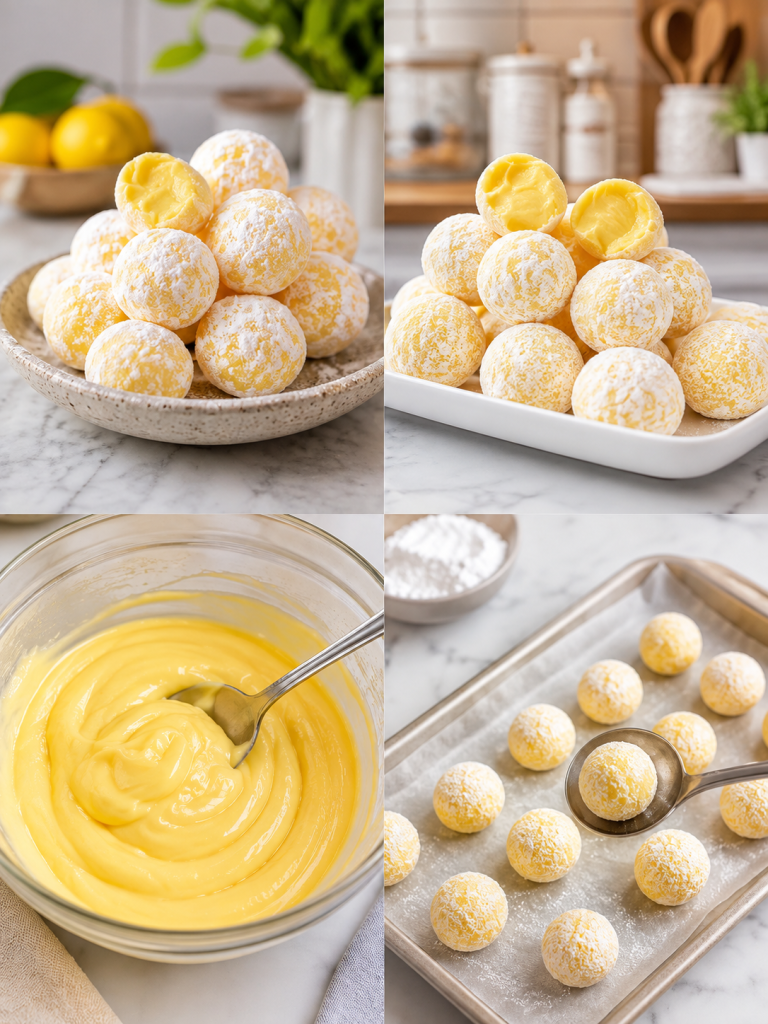
Homemade Lemon Truffles
Creamy homemade lemon truffles made from white chocolate, heavy cream, and fresh lemon zest, then finished with confectioners’ sugar.
1
servings20
minutes2
hours89
kcal2
hours20
minutesIngredients
12 ounces (340 g) white chocolate
¼ cup (60 mL) heavy cream
Zest of 1–2 large lemons
⅓ cup (40 g) confectioners’ sugar, for coating
Directions
- Finely chop the white chocolate if you are using larger chocolate pieces or a baking bar. Place the chocolate in a heat-safe glass or metal bowl that can sit securely over a saucepan without touching the water below.
- Add approximately 1 inch of water to the saucepan. Bring the water to a gentle simmer rather than a vigorous boil. The goal is to create steady steam for gently warming the bowl and melting the chocolate.
- Pour the heavy cream over the white chocolate. Set the bowl over the simmering water to create a double boiler. Heat the mixture gently, stirring from time to time as the chocolate begins to soften and melt.
- When about half of the chocolate has melted, carefully remove the bowl from the saucepan. Continue stirring so the remaining pieces melt in the residual heat. If necessary, return the bowl briefly to the simmering water until the chocolate is completely smooth, taking care not to overheat it.
- Once the chocolate and cream have formed a smooth ganache, add the lemon zest. Stir thoroughly so the zest is evenly dispersed throughout the mixture and the citrus flavor is distributed through the ganache.
- Press plastic wrap directly against the surface of the ganache. Refrigerate for approximately 1–2 hours, or until the mixture is firm enough to scoop and shape.
- Use a tablespoon-size scoop to portion the chilled ganache. Gently roll each portion between your hands to form a smooth ball. Continue until all the ganache has been shaped into truffles.
- Roll the finished truffles in confectioners’ sugar. They may also be served without a coating or finished with another suitable topping, such as sprinkles, crushed freeze-dried berries, turbinado sugar, or chopped nuts.
- For the best texture, allow the refrigerated truffles to come toward room temperature before serving. Do not leave them in a warm setting for more than a few hours because the ganache can become soft.
Notes
- Use a quality white chocolate for the most reliable texture. The supplied recipe specifically notes successful results with Ghirardelli white chocolate chips, Callebaut, Trader Joe’s white baking chips, and Lindt or Ghirardelli baking bars.
- Zest from one large lemon gives a pleasant lemon flavor. Use two large lemons when you prefer a stronger citrus taste.
- A tablespoon-size scoop produces approximately 25 truffles. Larger portions will reduce the total yield.
- Confectioners’ sugar is the specified coating, but sprinkles, crushed freeze-dried berries, turbinado sugar, and chopped nuts can also be used.
- Store the finished truffles in an airtight container in the refrigerator for up to 2 weeks.
- The truffles can be frozen in an airtight container for up to 3 months.
- For the best eating texture, allow refrigerated or thawed truffles to come toward room temperature before serving.
Nutrition Facts
- Calories: 89kcal
- Fat: 5g
- Carbohydrates: 10g
- Sugar: 10g
- Protein: 1g
