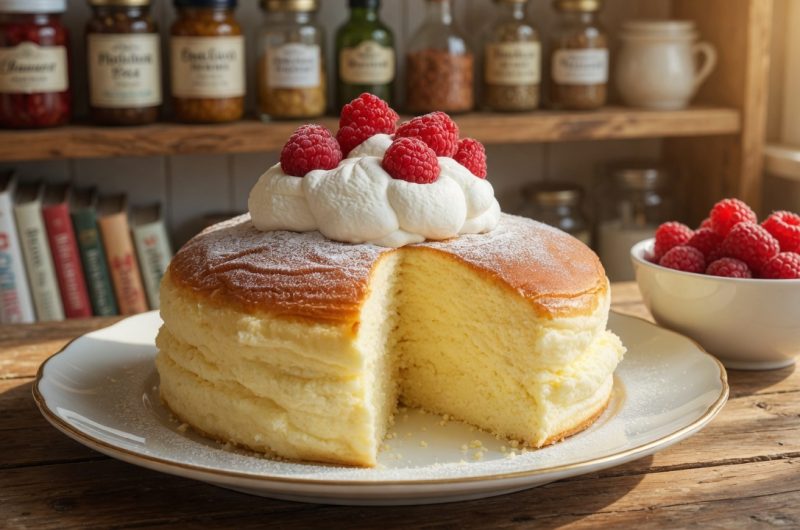

Keto Cloud Cake is a wonderful dessert for anyone who enjoys homemade cakes but wants to keep their carbohydrate intake low. This cake has a delicate crumb, a soft and airy texture, and a rich buttery flavor with a pleasant hint of vanilla.
Unlike some low-carb desserts that turn out heavy or dry, this cake is designed to feel light, moist, and satisfying. It is a lovely choice for family gatherings, birthdays, afternoon tea, or whenever you want something sweet without using traditional wheat flour and sugar.
One of the best things about making a keto cloud cake at home is that you can enjoy a familiar cake-like experience using low-carb ingredients. Almond flour, coconut flour, eggs, butter, Greek yogurt, and powdered erythritol work together to create a tender dessert with a balanced sweetness.
Each ingredient has a particular purpose, helping the cake maintain its structure while keeping the inside soft. When prepared carefully, the result is a homemade treat that can be enjoyed by anyone looking for a different approach to traditional baking.
What Makes This Keto Cloud Cake Special?
This low-carb cloud cake stands out because of its combination of light texture and rich flavor. Traditional cakes usually depend on all-purpose flour and regular sugar to create their familiar structure, but this recipe uses alternative ingredients to achieve a similar result. Almond flour brings a naturally rich taste, while coconut flour helps absorb moisture and gives the batter additional stability. Together, these flours create a balanced foundation for a soft cake.
The addition of eggs and butter also plays an important role in the final texture. Butter provides richness and helps incorporate air when beaten with the sweetener, while eggs support the structure as the cake bakes. Greek yogurt adds moisture and a gentle tang that balances the buttery flavor. These ingredients are carefully combined to produce a cake that is tender enough to enjoy on its own but firm enough to cut into neat slices.
Another appealing feature is its simple vanilla flavor. It is not overpowering, which makes the cake easy to pair with different toppings. You can serve it plain for a simple homemade dessert or add unsweetened whipped cream, a few fresh berries, or a sugar-free topping when preparing it for a special occasion. Its mild flavor makes it a flexible option for different serving styles.
Understanding the Basics of Keto Baking
Baking without traditional flour and sugar requires a little more attention because these ingredients perform several jobs in an ordinary cake. Wheat flour provides structure, while sugar contributes sweetness, moisture retention, browning, and tenderness. When both are replaced, the remaining ingredients must work together to provide the qualities needed for a successful baked dessert. This is why low-carb baking often requires different measurements and techniques from conventional recipes.
Almond flour and coconut flour do not behave exactly like regular wheat flour. Almond flour contains natural fats that help create a moist and tender crumb, whereas coconut flour absorbs considerably more liquid. Using them together helps balance richness and structure, but accurate measuring is essential. Too much coconut flour can make the cake dry, while an unsuitable balance of wet ingredients may leave the batter too heavy or difficult to bake evenly.
The mixing method is equally important. Beating softened butter with powdered erythritol helps introduce air into the mixture, creating a lighter starting point. Eggs then contribute structure and help bind the ingredients together. Baking powder supports the rising process, allowing the cake to develop a softer texture as it cooks. Paying attention to these details can make a noticeable difference between a dense low-carb cake and one with a delicate, pleasant crumb.
Why This Cake Has a Soft and Airy Texture
The light texture of Keto Cloud Cake comes from the way its ingredients are combined rather than from one special ingredient. During the initial mixing stage, softened butter and powdered erythritol are beaten together until the mixture becomes lighter and fluffy. This process traps tiny air pockets inside the butter, which help the cake rise and develop a more delicate texture during baking.
Eggs add another layer of support to the batter. When incorporated gradually, they help create a smooth mixture that holds together properly. Their proteins set as the cake heats in the oven, allowing the dessert to maintain its shape after rising. The moisture in the eggs also contributes to the overall tenderness, while the yolks add richness that complements the butter and almond flour.
Baking powder provides additional lift as the cake cooks. Heat activates the leavening process, helping the batter expand and become lighter. Greek yogurt and eggs also contribute moisture, which creates steam during baking and supports the soft interior. Although the finished cake is delicate, it should still have enough structure to cool properly and produce slices that hold their shape.
For the best outcome, avoid rushing the creaming stage or beating the finished batter for too long. The goal is to introduce air early and combine the remaining ingredients gently. Once the dry ingredients have been incorporated and the batter looks evenly mixed, there is no need for additional beating. This approach helps preserve the tender texture that makes the cake enjoyable.
The Role of Greek Yogurt in the Recipe
Greek yogurt is an important ingredient because it helps keep the cake moist while adding a creamy consistency to the batter. Low-carb flours can absorb liquid differently from traditional wheat flour, and coconut flour is especially absorbent. Without enough moisture, a cake made with these alternatives may become crumbly or dry after baking. Greek yogurt helps balance that absorption and supports a softer result.
Its mild tangy flavor also improves the overall taste. The natural richness of butter and the sweetness of powdered erythritol can sometimes make a dessert feel heavy, but Greek yogurt adds a gentle freshness that balances these flavors. It works particularly well with vanilla, creating a familiar homemade cake taste without requiring an excessive amount of sweetener.
Plain, unsweetened Greek yogurt is the preferred choice because flavored varieties may contain added sugars or ingredients that change the taste. If a dairy-free variation is needed, plain unsweetened coconut yogurt can be considered as an alternative. It provides moisture and creaminess, although the flavor and final texture may differ slightly depending on the product used.
Choosing the Best Sweetener for Keto Cloud Cake
The sweetener you choose can influence both the flavor and texture of a low-carb cake. Powdered erythritol works well in this recipe because its fine consistency blends more easily with softened butter. Unlike larger granules, which may remain noticeable in the finished dessert, powdered sweetener helps create a smoother mixture and distributes sweetness more evenly throughout the batter.
Creaming powdered erythritol with butter is also useful for developing the cake’s texture. As the ingredients are beaten together, the mixture becomes lighter and more suitable for combining with the eggs. A smooth sweetener helps prevent unwanted graininess and supports a more delicate crumb. This is especially important in recipes where the flour alternatives already create a different texture from conventional baking.
Other powdered low-carb sweetener blends may also be suitable, depending on their ingredients and sweetness level. However, not every product has the same conversion ratio as regular sugar or erythritol. Checking the manufacturer’s baking recommendations before making substitutions can help prevent a cake that tastes too sweet or not sweet enough.
Vanilla, butter, Greek yogurt, and a small amount of salt help create a balanced flavor. These ingredients complement the sweetener and prevent the dessert from tasting one-dimensional. The finished cake should have a gentle sweetness that allows its buttery richness and soft texture to stand out.
How Almond Flour and Coconut Flour Work Together
Using almond flour and coconut flour together is an effective way to build a better texture in many low-carb baked goods. Although both are popular alternatives to wheat flour, they have different characteristics. Almond flour contains natural fat and creates a soft, rich crumb, while coconut flour absorbs more moisture and helps give the batter additional body. Their different properties make them useful partners in this cake.
Fine almond flour is particularly helpful because it produces a smoother and more delicate texture. Coarse almond meal can create a heavier crumb with a slightly grainy feel, which may take away from the cake’s light quality. Choosing finely ground almond flour allows it to blend more evenly with the wet ingredients and creates a more consistent result after baking.
Coconut flour needs more careful measuring because it absorbs liquid quickly. Even a small increase can change the batter’s consistency and affect the finished cake. The amount should therefore remain consistent with the recipe rather than being adjusted casually. When used correctly, it supports the structure without taking away from the moisture supplied by butter, eggs, and Greek yogurt.
Butter and Eggs: The Foundation of a Tender Cake
Butter contributes much of the cake’s rich flavor and helps create a soft mouthfeel. For this recipe, it should be softened before mixing so that it can combine properly with powdered erythritol. Softened butter traps air more effectively than melted butter, making it especially useful during the creaming stage. It also helps distribute richness throughout the batter, giving each slice a pleasant buttery taste.
Unsalted butter is a convenient choice because it allows you to control the amount of salt in the recipe. Although salt is used in a small quantity, it helps balance the sweetness and brings out the other flavors. It should not dominate the dessert; instead, it works quietly in the background to make the overall taste more complete.
Eggs are just as important because they provide structure in a cake that does not contain wheat flour. Their proteins firm up during baking and help the dessert hold its shape. Egg yolks contribute richness, while the eggs as a whole help combine the fats and liquids into a more uniform batter. Using room-temperature eggs can make this process easier because they blend more smoothly with the creamed butter.
Adding the eggs one at a time is a helpful technique. Each egg should be incorporated before the next is added, allowing the mixture to remain smooth and properly combined. This gradual approach reduces the chance of the batter separating and prepares a stable base for the dry ingredients and Greek yogurt.
Preparing the Oven and Cake Pan
Good preparation makes the baking process easier and helps prevent common problems. Begin by preheating the oven to 360°F so it reaches the correct temperature before the cake is placed inside. A properly heated oven allows the baking powder to work as expected and helps the batter begin rising under consistent heat. Placing the cake into an oven that has not fully preheated may affect its baking time and texture.
A 22-centimeter cake pan is used for this recipe. Lining the pan with parchment paper helps prevent the cake from sticking and makes removal easier after cooling. This is particularly useful because low-carb cakes can be more delicate than conventional cakes, especially while they are still warm. Preparing the pan in advance reduces unnecessary handling once the batter is ready.
Measure the dry ingredients before beginning and keep the wet ingredients prepared nearby. Softened butter, room-temperature eggs, and Greek yogurt can combine more smoothly than ingredients taken directly from the refrigerator. Having everything ready also makes it easier to follow the mixing process without interruptions or accidentally overlooking an ingredient.
Mixing the Batter Properly
Start by placing the softened butter and powdered erythritol in a mixing bowl. Beat them together until the mixture becomes pale, creamy, and noticeably fluffy. This stage should receive enough attention because it helps introduce air into the batter. A properly creamed mixture provides a better starting point for a light cake than simply stirring the butter and sweetener together.
Add the eggs gradually, mixing after each addition until it is incorporated. Avoid adding all the eggs at once because this can make the mixture more difficult to combine evenly. In a separate bowl, whisk the almond flour, coconut flour, baking powder, and salt together. This distributes the dry ingredients and helps prevent concentrated pockets of baking powder in the finished cake.
Next, gradually combine the dry mixture with the wet ingredients, adding the Greek yogurt as directed. Alternating the dry ingredients and yogurt helps everything blend without making the batter difficult to handle. Mix only until the ingredients are combined and no visible dry patches remain. The batter may appear thicker than a traditional cake batter because coconut flour absorbs moisture, and this is normal for the recipe.
Transfer the prepared batter into the parchment-lined cake pan and spread it gently across the surface. Try to distribute it evenly so the cake can bake consistently from the edges toward the center. There is no need to press or compact the batter. A gentle touch is enough to prepare it for the oven while keeping the mixture as light as possible.
Baking the Keto Cloud Cake
Place the cake in the preheated oven and bake at 360°F for approximately 35 to 40 minutes. The exact time may vary depending on your oven, the pan, and how accurately the appliance maintains its temperature. Begin checking toward the end of the suggested baking period rather than relying only on the clock. This helps prevent overbaking, which can make a low-carb cake lose some of its moisture.
As the cake bakes, the top should develop a light golden color, and the center should become gently springy. Insert a toothpick into the middle to check whether it is ready. It should come out clean or with a few moist crumbs attached, rather than showing wet batter. If the center still looks underbaked, allow the cake to remain in the oven for a little longer before checking again.
Try not to open the oven repeatedly during the early part of baking. Sudden changes in temperature can interfere with the rising process and may affect the final structure. If the top becomes golden too quickly while the center still needs more time, loosely cover the pan with foil for the remaining baking period. This helps protect the surface while allowing the inside to finish cooking.
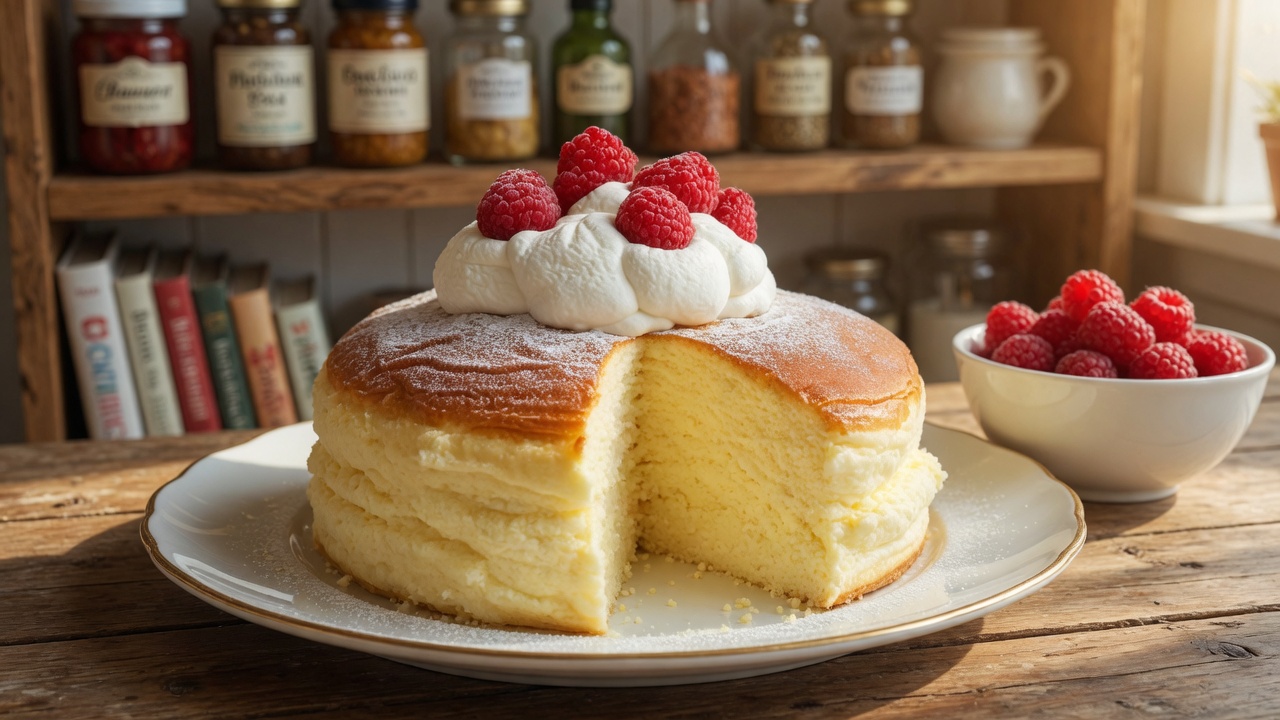
Keto Cloud Cake
A soft, airy low carb cake made from whipped eggs and cheese instead of flour, layered with a smooth coffee buttercream frosting. This small, bakery-style dessert is light, creamy, and suitable for a keto or low carb eating plan.
4
servings25
minutes20
minutes45
minutesIngredients
- Cake Layers:
Large eggs, separated – 4
Mascarpone cheese or cream cheese, softened – 4 oz
Powdered sweetener – 1/4 cup
Salt – 1/8 teaspoon
Cream of tartar (optional) – 1/4 teaspoon
- Coffee Buttercream:
Unsalted butter, softened – 1/2 cup
Cream cheese or mascarpone cheese, softened – 4 oz
Powdered sweetener – 1/2 cup
Instant espresso powder – 1 to 2 teaspoons
Directions
- Preheat oven. Line a baking sheet with parchment paper or prepare small round molds. Separate the eggs. Mix yolks with mascarpone (or cream cheese), sweetener, and salt until smooth.
- Whip egg whites (add cream of tartar if using) until stiff peaks form. Gently fold the yolk mixture into the egg whites, keeping the batter light and airy.
- Divide batter into 4 portions, spread into flat circles, and bake until set and lightly golden. Do not overbake. Cool cakes on the pan briefly, then move to a cooling rack to cool completely.
- Beat softened butter, cream cheese, powdered sweetener, and espresso powder together until fluffy for the buttercream.
- Spread buttercream over each cake layer and stack them together. Top with a bit of extra frosting and serve.
