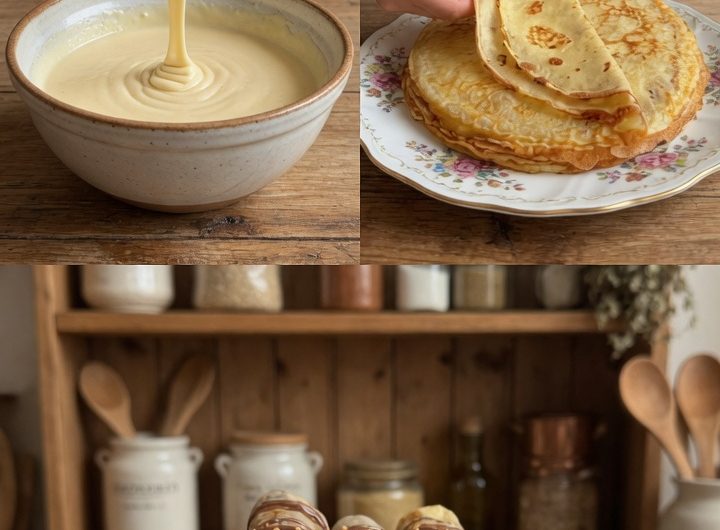

Zero carb crepes are thin, flexible pancakes made without any flour or grains. Instead of traditional ingredients, these crepes use eggs, cream cheese, and heavy cream to create a soft texture similar to classic French crepes. The lack of flour means the carbohydrate content stays very low, making them perfect for keto diets and low-carb eating plans. Unlike many flour-free recipes that turn out rubbery or dense, these crepes stay tender and easy to fold. The eggs provide structure and protein, while the cream cheese adds richness and helps create the right texture. Heavy cream keeps everything smooth and prevents dryness.
Why These Crepes Are Different from Regular Low-Carb Alternatives
Most low-carb crepe recipes rely on almond flour, coconut flour, or protein powder as flour substitutes. While these ingredients reduce carbs compared to wheat flour, they still add some carbohydrates and can produce a grainy texture. These zero carb crepes skip flour completely, using only dairy and eggs. The result is a much lower carb count and a smoother, more delicate texture. The batter blends quickly with no measuring of multiple dry ingredients. The cooking process is simple and fast. Each crepe contains roughly one gram of carbs or less, compared to three to five grams in flour-based versions.
Understanding the Role of Each Ingredient
Each ingredient in this recipe serves a specific purpose that affects the final texture and taste. Eggs form the base of the batter and provide structure when cooked. They also contribute high-quality protein that helps keep you full. Cream cheese adds fat and creates a tender, slightly creamy texture that prevents the crepes from being too eggy. It also helps the batter spread smoothly in the pan. Heavy cream thins the batter to the right consistency for pouring and swirling. It adds richness without watering down the mixture. A small pinch of salt enhances all the other flavors without making the crepes taste salty. Together, these ingredients create a batter that cooks into thin, flexible crepes.
The Best Equipment for Making Perfect Crepes
Having the right tools makes cooking these crepes much easier and helps prevent common problems. A good non-stick skillet is the most important piece of equipment. An eight to ten inch pan works best for crepe-sized portions. Non-stick coating prevents sticking and tearing when you flip the crepes. A blender or immersion blender creates the smoothest batter with no lumps. If you do not have a blender, a whisk and bowl work fine, but you need to whisk thoroughly. A thin, flexible spatula makes flipping easier and reduces the chance of tearing. Measuring spoons ensure you use the right proportions each time.
How to Mix the Batter for Smooth Results
Proper mixing is important for creating crepes with the right texture. Start by softening your cream cheese so it blends easily without leaving lumps. You can soften it by leaving it at room temperature for thirty minutes or microwaving it for ten to fifteen seconds. Add the eggs, softened cream cheese, heavy cream, and salt to your blender or mixing bowl. Blend on medium speed or whisk vigorously until the mixture becomes completely smooth. There should be no visible pieces of cream cheese. The batter should look thin and pourable, similar to heavy cream or milk. If you see any lumps, keep blending until they disappear completely.
Why Resting the Batter Improves Texture
After blending, let the batter rest for two to three minutes before cooking. This short resting period allows the ingredients to combine fully at a molecular level. The proteins in the eggs relax slightly, which helps create a more tender crepe. Any small air bubbles that formed during blending have time to rise to the surface and pop. The cream cheese fully incorporates into the liquid. While three minutes seems like a small amount of time, it makes a noticeable difference in the final texture. The crepes will be smoother and more flexible. Use this resting time to heat your pan and prepare your filling ingredients.
Getting the Pan Temperature Right
Correct pan temperature is one of the most important factors for success. Too hot and the crepes cook too fast, becoming dry and brittle. Too cool and they take too long to set, making them difficult to flip. Medium-low heat works best for most stoves. Heat your non-stick skillet for about two minutes before adding the first bit of batter. To test if the pan is ready, sprinkle a tiny drop of water on the surface. It should sizzle gently but not violently. Add just enough butter or oil to lightly coat the pan. You only need about a quarter teaspoon for each crepe.
Pouring and Swirling Technique
The way you pour and spread the batter determines how thin and even your crepes will be. Pour a small amount of batter into the center of the hot pan. Immediately lift the pan off the heat and tilt it in a circular motion. The batter should flow toward the edges, spreading into a thin circle. Keep swirling until the batter stops moving and the bottom of the pan is evenly coated. This should take only three to five seconds. The faster you swirl, the thinner and more even your crepe will be. A thin crepe is more flexible and easier to fold than a thick one.
Knowing When to Flip
Timing the flip correctly prevents tearing and ensures even cooking. Watch the edges of the crepe as it cooks. After about one minute over medium-low heat, the edges will start to pull away from the pan slightly. The surface should look set rather than wet and shiny. The bottom should be lightly golden but not brown. Gently slide a thin spatula under one edge to check the color. If it lifts easily and looks light golden, the crepe is ready to flip. If it sticks or looks pale, give it another fifteen to twenty seconds.
How to Flip Without Tearing
Flipping delicate crepes takes a gentle touch and the right tool. Use a thin, flexible spatula rather than a thick one. Slide the spatula under the crepe, getting it as far under the center as possible. Lift quickly but smoothly and flip in one confident motion. Hesitating or flipping slowly increases the chance of tearing. If you feel nervous about flipping, you can use two spatulas or even your fingers if the crepe has cooled slightly. Cook the second side for only twenty to thirty seconds. It needs much less time than the first side because the crepe is already mostly cooked through.
Making Multiple Crepes Efficiently
Once you get into a rhythm, you can cook these crepes quite quickly. Stack finished crepes on a plate as you cook. Place a piece of parchment paper between each one if you plan to store them. Cover the stack with a clean kitchen towel to keep the crepes soft and prevent them from drying out. The trapped steam helps maintain flexibility. If the batter thickens as it sits, give it a quick stir or shake before pouring. You may need to adjust the heat slightly as you cook multiple batches. If the pan gets too hot, the crepes will cook too fast. Lower the heat a bit if you notice this happening.
Sweet Filling Ideas for Breakfast or Dessert
These crepes work beautifully with many low-carb sweet fillings that satisfy dessert cravings without adding many carbs. Whipped heavy cream sweetened with a sugar-free sweetener makes a simple, classic filling. Add fresh berries like strawberries, blueberries, or raspberries for flavor and antioxidants. Sugar-free chocolate spread or melted sugar-free chocolate chips create a rich, indulgent treat. Natural peanut butter or almond butter adds protein and healthy fats. Greek yogurt mixed with vanilla extract and sweetener provides a tangy, creamy filling. Cream cheese mixed with sweetener and vanilla makes a cheesecake-style filling. Cinnamon butter made with softened butter, cinnamon, and sweetener tastes like cinnamon rolls.
Savory Filling Ideas for Lunch or Dinner
Savory crepes make excellent meals that feel more substantial than sweet versions. Scrambled eggs with cheese create a breakfast crepe similar to a breakfast burrito. Cooked chicken or turkey with vegetables and a bit of cheese makes a filling lunch. Smoked salmon with cream cheese and fresh dill creates an elegant brunch option. Sautéed mushrooms with garlic and herbs taste rich and satisfying. Spinach and feta cheese with a touch of garlic powder makes a Greek-inspired filling. Bacon and avocado with a sprinkle of cheese creates a BLT-style crepe. Ground beef seasoned with taco spices and topped with sour cream and cheese makes a Mexican-inspired meal.
Using Crepes as Low-Carb Wraps
One of the most practical uses for these crepes is as a replacement for high-carb tortillas and wraps. Use them for sandwich wraps filled with deli meat, cheese, lettuce, and mustard. Make breakfast burritos with scrambled eggs, cheese, and vegetables. Create pizza rolls by filling with cheese and pepperoni, then rolling and heating. Use them as taco shells for soft tacos with seasoned meat and toppings. Make wrap sandwiches for packed lunches that stay fresh in the refrigerator. The neutral flavor works with almost any filling combination. Unlike lettuce wraps, these crepes hold together well and do not get soggy quickly.
Adding Flavor Variations to the Basic Batter
While the basic batter has a mild flavor that works with any filling, you can customize it before cooking. For sweet crepes, add half a teaspoon of vanilla extract to the batter before blending. Mix in a tablespoon of unsweetened cocoa powder for chocolate crepes. Add a quarter teaspoon of cinnamon for warmth and subtle sweetness. Include a tablespoon of sugar-free sweetener if you want noticeably sweet crepes. For savory crepes, add a quarter teaspoon of garlic powder for savory depth. Mix in dried herbs like Italian seasoning, thyme, or basil. Add a tablespoon of grated parmesan cheese for extra flavor. Include a pinch of black pepper for a slight kick.
Common Problems and How to Fix Them
Even simple recipes can have issues, but most problems have easy solutions. If your crepes tear when flipping, the batter may be too thin. Add another tablespoon of cream cheese to thicken it slightly. If the crepes stick to the pan, your pan may not be non-stick enough or you need more butter. Try a different pan or use slightly more fat. If the crepes turn out rubbery, you may be cooking them too long or over too high heat. Lower the temperature and cook for less time. If the batter has lumps, you did not blend long enough. Blend thoroughly until completely smooth.
Storing Crepes in the Refrigerator
These crepes store well for short-term use, making them great for meal prep. Let the crepes cool completely before storing to prevent condensation that makes them soggy. Stack the cooled crepes with parchment paper between each one. Place the stack in an airtight container or seal in a plastic bag. Store in the refrigerator for up to two days. The crepes will firm up slightly when cold but soften again when brought to room temperature or gently reheated. For best texture, remove from the refrigerator fifteen minutes before using. You can also warm them briefly in a skillet or microwave for five to ten seconds.
Freezing Crepes for Long-Term Storage
Freezing allows you to make large batches and have crepes ready whenever you need them. Place a small piece of parchment paper or wax paper between each crepe to prevent them from sticking together. Stack the separated crepes and place them in a freezer-safe container or heavy-duty freezer bag. Remove as much air as possible before sealing to prevent freezer burn. Label the container with the date. Frozen crepes stay good for up to one month. To use, thaw in the refrigerator overnight or at room temperature for thirty minutes. You can also microwave frozen crepes for fifteen to twenty seconds to thaw quickly.
Reheating Methods for Best Results
Proper reheating brings stored crepes back to their original soft texture. For refrigerated crepes, let them come to room temperature for the best texture. If you want them warm, heat a dry skillet over low heat and warm each crepe for ten to fifteen seconds per side. For frozen crepes, thaw first for best results. You can microwave crepes for five to ten seconds, but be careful not to overheat them or they will become rubbery. If you are filling the crepes with warm ingredients, you do not need to reheat the crepes separately. The heat from the filling will warm them naturally.
Nutritional Benefits for Low-Carb Diets
These crepes fit perfectly into low-carb and ketogenic eating plans because of their nutritional profile. Each crepe contains only about one gram of carbohydrates, compared to fifteen to twenty grams in a regular flour crepe. The high fat content from cream cheese and heavy cream helps keep you in ketosis if following a keto diet. The protein from eggs supports muscle maintenance and helps control hunger. The combination of fat and protein creates lasting satisfaction that prevents snacking between meals. Because the crepes contain almost no sugar, they do not cause blood sugar spikes that lead to energy crashes. This makes them suitable for people managing diabetes or insulin resistance.
Meal Prep Ideas Using These Crepes
Planning ahead makes healthy eating easier, and these crepes work well in various meal prep strategies. Make a double or triple batch on Sunday and store them for the week. Prepare several different fillings in separate containers so you can mix and match throughout the week. For grab-and-go breakfasts, fill the crepes with cream cheese and berries, roll them up, and wrap individually. For packed lunches, fill with chicken salad or deli meat and vegetables. Store filled crepes separately from toppings and sauces to prevent sogginess. Keep unfilled crepes ready and fill them fresh each morning for the best texture and taste.
Serving Suggestions for Different Meals
These crepes adapt to any meal of the day with appropriate fillings and presentations. For breakfast, serve sweet crepes folded in quarters with whipped cream and fresh berries on top. Add a side of bacon or sausage for extra protein. For brunch, make savory crepes filled with scrambled eggs and smoked salmon, garnished with fresh dill. For lunch, fill crepes with chicken salad or tuna salad and serve with a side salad. For dinner, make heartier savory crepes with seasoned ground beef, cheese, and vegetables, topped with sour cream. For dessert, fill with sugar-free chocolate mousse and top with whipped cream and crushed nuts.
Comparing to Traditional Crepes
Understanding how these compare to regular crepes helps you set proper expectations. Traditional French crepes contain wheat flour, milk, eggs, and butter. They have about fifteen grams of carbs per crepe. These zero carb versions contain only about one gram of carbs. Traditional crepes have a slightly chewier texture from the gluten in flour. These crepes are more delicate and tender. Traditional crepes taste very neutral with a hint of butter. These crepes have a richer, slightly eggy taste from the higher egg content. Both types can be filled with sweet or savory ingredients. Both cook quickly in a hot pan. The main differences are nutritional rather than functional.
Adjusting Thickness to Your Preference
While thin crepes are traditional and most flexible, you can adjust thickness based on your needs. For very thin crepes similar to French crepes, use less batter and swirl quickly to spread it as thin as possible. These will be the most delicate and flexible. For slightly thicker crepes that are easier to handle, use a bit more batter and do not swirl as aggressively. These will be sturdier and less likely to tear. For crepes to use as wraps, a medium thickness works best because it is strong enough to hold fillings without tearing. Remember that thicker crepes will have slightly more calories and protein since they use more batter.
Why Non-Stick Pans Make a Difference
The type of pan you use significantly affects your success with these crepes. A high-quality non-stick pan allows the crepes to release easily without tearing. Cheaper non-stick pans may have uneven coating that causes sticking in some spots. Well-seasoned cast iron can work but requires more skill and careful temperature control. Regular stainless steel pans are not recommended because the crepes will stick badly even with plenty of fat. If your non-stick pan is old and the coating is scratched or worn, consider replacing it. A good pan makes the difference between frustrating cooking and easy success. An eight to ten inch pan is the ideal size for individual crepes.
Understanding Why These Crepes Stay Flexible
The flexibility of these crepes comes from the specific ratio of ingredients and cooking method. Eggs provide protein that coagulates when heated, forming structure. Cream cheese adds fat that keeps the protein network tender rather than tough. Heavy cream adds moisture that prevents drying. Cooking at the right temperature allows the eggs to set without overcooking. Overcooking removes too much moisture and makes the crepes brittle. Keeping cooked crepes covered traps moisture and prevents them from drying out. The result is a crepe that bends and folds without cracking, similar to traditional flour-based crepes.
Troubleshooting Texture Issues
If your crepes do not turn out with the right texture, several factors might be the cause. If they are too thick and more like pancakes, you used too much batter per crepe. Use less batter and swirl more quickly. If they are rubbery and tough, you cooked them too long or at too high a temperature. Lower the heat and cook for less time. If they are dry and crack when you try to fold them, they may have been overcooked or not covered while cooling. If they are too soft and fall apart, they may be undercooked. Cook until the surface looks fully set before flipping.
Creative Presentation Ideas
How you present these crepes can make them feel special and restaurant-quality. For sweet crepes, fold them into triangles and fan them on a plate. Dust with a small amount of powdered sugar-free sweetener. Drizzle with sugar-free chocolate or caramel sauce in artistic lines. Add a dollop of whipped cream and fresh berries. For savory crepes, roll them tightly and slice into pinwheels to show the filling. Arrange on a platter and garnish with fresh herbs. Serve folded in half with filling visible at the edges. Stack several filled crepes and cut like a layered cake for dramatic presentation.
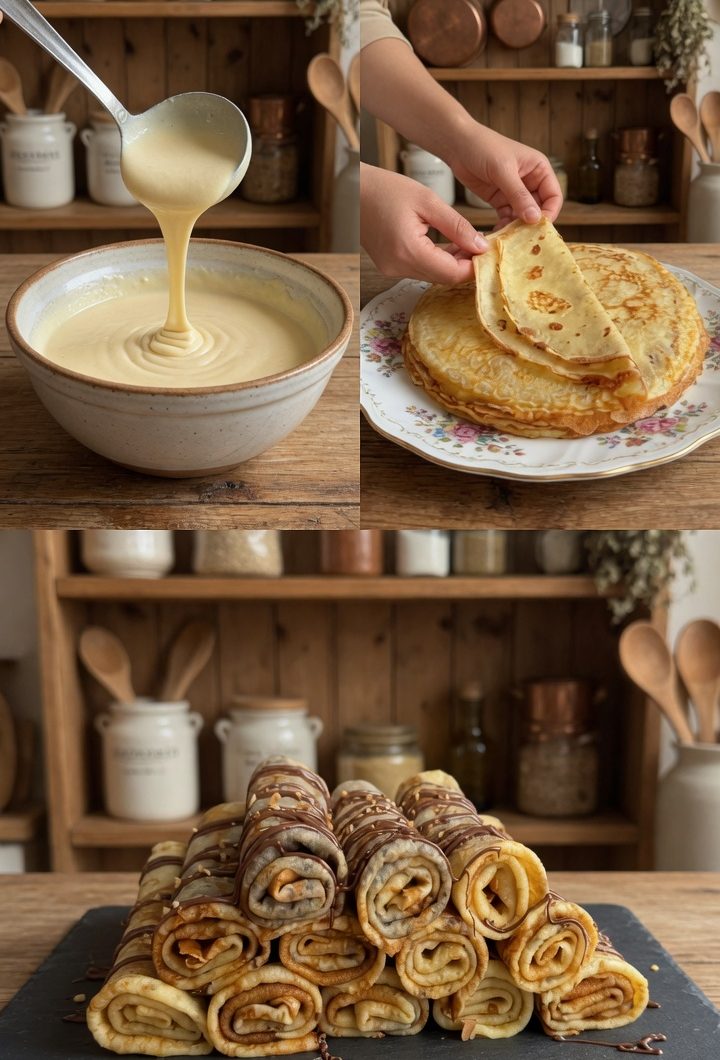
Zero Carb Crepes
Thin, soft, and flexible crepes made with eggs, cream cheese, and heavy cream. Contains virtually no carbohydrates and works perfectly for both sweet and savory fillings.
5
minutes10
minutes110
kcal3
minutes18
minutesIngredients
2 large eggs
2 tablespoons cream cheese, softened
1 tablespoon heavy cream
Small pinch of salt
1 teaspoon butter or oil for cooking
Directions
- Add eggs, softened cream cheese, heavy cream, and salt to a blender or mixing bowl. Blend or whisk until completely smooth with no lumps visible.
- Let the batter rest for 2 to 3 minutes while you heat your pan.
- Heat a non-stick skillet over medium-low heat. Add a small amount of butter or oil to lightly coat the surface.
- Pour a small amount of batter into the center of the pan. Immediately lift the pan and swirl in a circular motion to spread the batter into a thin circle.
- Cook for about 1 minute until the edges lift slightly and the surface looks set. Carefully flip and cook the second side for 20 to 30 seconds.
- Transfer to a plate and repeat with remaining batter. Cover finished crepes with a towel to keep them soft.
Nutrition Facts
- Total number of serves: 8
- Calories: 590kcal
- Fat: 48g
- Carbohydrates: 9g
- Fiber: 0g
- Protein: 35g
