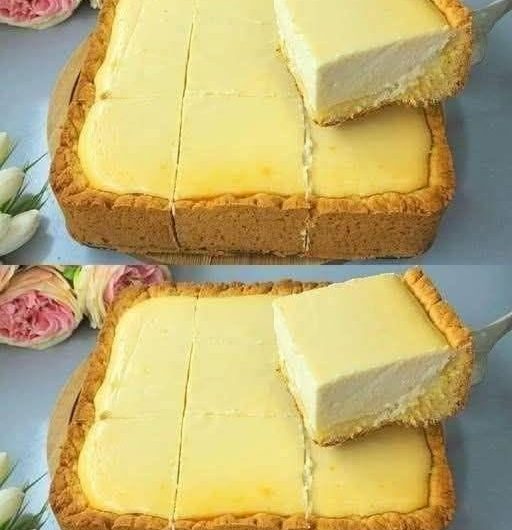

Torta della Nonna is one of those desserts that looks elegant when it comes out of the oven but is actually quite simple to put together at home. It has a buttery pastry crust, a smooth Italian pastry cream filling, a layer of pastry over the top, and pine nuts scattered across the surface. Once it cools, a light dusting of powdered sugar finishes it off.
The best part of this dessert is the contrast between the crisp, buttery pastry and the soft, creamy filling. The pine nuts add a little crunch, while the powdered sugar gives the finished tart a delicate sweetness.
This recipe makes 12 servings and takes about 2 hours and 5 minutes from start to finish, including chilling time. The pastry cream can also be prepared ahead, which makes the final assembly much easier.
Getting the Pastry Cream Ready
- The filling needs time to cool before it goes into the pastry, so it is best to start with the Italian pastry cream.
- Pour the milk into a medium saucepan and place it over low heat. Heat it until it begins to simmer, stirring constantly so the milk heats evenly. Once it reaches that point, take it off the heat and set it aside for a moment.
- While the milk is heating, place the four egg yolks in a large bowl. Add the granulated sugar and vanilla, then whisk everything together until the mixture becomes lighter in color and well combined.
- Add the flour and whisk until it is incorporated. The mixture should be smooth before the warm milk is added.
- Now comes the important part: tempering the eggs. Instead of adding all the hot milk at once, slowly whisk a small amount of the hot milk into the egg mixture. Keep whisking continuously as you add it. This gradually brings the temperature of the eggs up and helps prevent them from cooking too quickly.
- Continue adding the remaining milk while whisking until everything is thoroughly combined.
- Pour the mixture back into the saucepan. Cook it over medium-low heat for about 5 to 7 minutes, whisking constantly. As it cooks, the mixture will gradually thicken.
- The pastry cream is ready when it has noticeably thickened and has a creamy consistency.
- For a smooth filling, set a fine mesh sieve over a bowl. Pour the pastry cream into the sieve and use a rubber spatula to gently stir and press it through. This extra step removes any small lumps and leaves the filling smooth and silky.
- Transfer the strained pastry cream to a small bowl. Place plastic wrap directly on the surface of the cream. Covering the surface this way helps keep a skin from forming while it chills.
- Place the pastry cream in the refrigerator and chill it for at least an hour, or until it has cooled completely.
- When you are ready to use it, whisk the chilled pastry cream with a whisk or a handheld mixer until it becomes light and fluffy again.
Making the Buttery Pastry
- While the pastry cream chills, the pastry dough can be prepared.
- For convenience, the dough can be made in a food processor. Fit the food processor with the blade attachment and add the all purpose flour, granulated sugar, and kosher salt.
- Add the cold butter, cut into cubes, over the flour mixture. The butter should be very cold. This helps create a rich and tender pastry.
- Place the lid on the food processor and pulse until the butter and flour mixture turns into coarse crumbs.
- Begin adding the ice water one tablespoon at a time. Continue mixing until the dough starts coming together and forms a ball. Avoid adding more water than necessary; use just enough for the dough to come together.
- Turn the dough out onto a piece of plastic wrap. Use your hands to gently bring it together into a disk. Wrap it well and place it in the refrigerator.
- The dough needs to chill for at least 45 minutes. Chilling gives the butter time to firm up again and makes the dough easier to roll.
- If a food processor is not available, the butter can also be worked into the flour mixture with a pastry cutter or two knives.
Preparing the Pine Nuts
- While the pastry dough is chilling, place the pine nuts in water and let them soak.
- Once they have soaked, drain them thoroughly and dry them with a paper towel before using them.
- Soaking the pine nuts helps prepare them for the topping. They will be added to the top of the torta before baking.
Rolling the Pastry
- Once the dough has chilled, take it out of the refrigerator and divide it into two pieces. The pieces do not need to be exactly equal. One should be larger, making up about two-thirds of the dough.
- The larger portion will be used for the bottom and sides of the tart, while the smaller portion will become the top crust.
- Lightly dust the work surface with flour, or place the dough between two pieces of plastic wrap or parchment paper. Roll the larger piece into a round approximately 12 inches across.
- The dough should be large enough to cover the bottom and sides of a 9-inch tart pan.
- Next, roll the smaller piece into a round approximately 10 inches across. Set both pieces aside carefully while the tart pan is prepared.
Building the Torta della Nonna
- Preheat the oven to 350 degrees and position a rack in the center.
- Prepare a 9-inch tart pan by spraying it with nonstick cooking spray. A tart pan with a removable base works especially well, although a pie pan can also be used if needed.
- Carefully transfer the larger pastry round to the prepared tart pan. Gently press the dough into the bottom and sides of the pan, making sure it fits neatly into the corners.
- Trim away any excess dough around the edges.
- Give the chilled pastry cream a good whisk before adding it to the tart. This loosens the cream and makes it easier to spread.
- Pour the pastry cream into the pastry shell. Use a spatula to spread it evenly across the surface. Try to keep the filling level so the top pastry will sit evenly over it.
- Now take the second piece of rolled pastry and carefully place it over the pastry cream.
- Press the edges of the top pastry against the pastry along the sides of the tart to seal the two layers together. Trim away any excess dough.
- The top crust does not need to be perfectly smooth. Once baked, the pastry will settle as the tart cools.
Adding the Pine Nuts
- Drain the pine nuts if they have not already been drained, then pat them dry with a paper towel.
- Lightly brush the surface of the torta with water. Sprinkle the pine nuts over the top.
- The pine nuts provide a pleasant contrast to the creamy filling and buttery pastry. They also give the finished dessert its traditional appearance.
Baking Until Golden
- Place the assembled torta in the preheated oven.
- Bake at 350 degrees for about 40 minutes, or until the pastry has turned golden and the filling has set.
- Keep in mind that the top pastry may move slightly while it is baking. There is no need to worry if this happens. The crust will settle as the torta cools.
- Once the pastry is golden and the tart is baked, remove it from the oven.
- Place the pan on a wire baking rack and allow the torta to cool completely.
- Letting the tart cool properly is important. The filling continues to settle as it cools, and slicing it too soon can make the creamy center difficult to handle.
Finishing the Dessert
- Once the torta has cooled completely, carefully remove it from the tart pan and transfer it to a serving platter.
- Just before serving, dust the top generously with powdered sugar.
- Torta della Nonna can be served chilled or at room temperature. Either way, make sure the tart has cooled completely before adding the powdered sugar.
- The finished dessert has a golden pastry exterior, creamy Italian pastry cream in the center, crunchy pine nuts on top, and a delicate layer of powdered sugar.
A Few Helpful Things to Keep in Mind
- The tart pan is traditionally a 9-inch tart pan, preferably one with a removable base. If that is not available, a pie pan can be used instead.
- The pastry cream does not have to be made on the same day as the tart. It can be prepared up to three days in advance and kept chilled until needed. Before assembling the torta, whisk it again until it is light and fluffy.
- The pastry dough can also be made ahead and kept chilled until you are ready to roll it out.
- Cold butter is important when making the pastry. If the butter becomes too warm while working with the dough, chilling the dough again before rolling will make it easier to handle.
- When adding the ice water, start with the smaller amount and add it gradually. The dough only needs enough water to come together.
- The pine nuts can be placed on the torta before baking, as directed here. They can also be omitted if they are not available. Another option is to toast pine nuts and add them after baking.
Serving and Storage
- Torta della Nonna is best served at room temperature or chilled. Once completely cooled, the tart can be sliced and served with its powdered sugar topping.
- If there are leftovers, place them in an airtight container and refrigerate. They can be kept for about 3 to 4 days. For the best texture and flavor, it is better to enjoy the torta within a few days.
- The dessert can also be made ahead for convenience. Since both the pastry cream and dough can be prepared in advance, much of the work can be completed before the final assembly.
- The result is a classic Italian dessert with a simple homemade feel: crisp buttery pastry surrounding a rich, creamy custard filling, finished with pine nuts and powdered sugar. It is suitable for a special occasion but straightforward enough to make whenever a comforting homemade dessert is wanted.
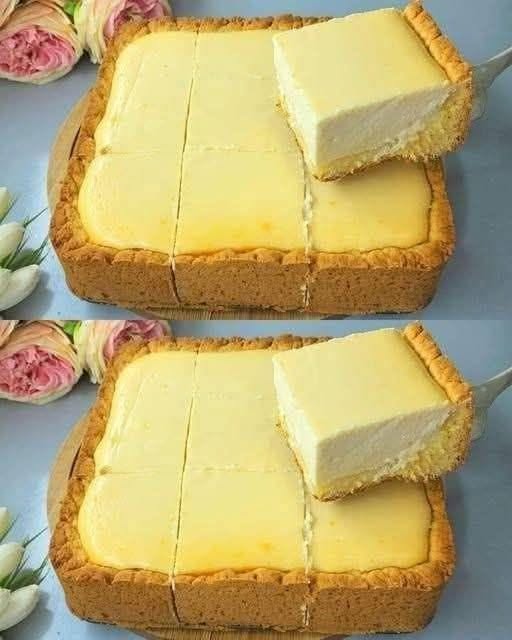
HealthyTorta della Nonna
A classic Italian dessert made with buttery shortcrust pastry and smooth Italian pastry cream. The tart is finished with pine nuts and powdered sugar, then served chilled or at room temperature.
12
servings25
minutes40
minutes291
kcal1
hour5
minutesIngredients
2 cups milk (whole or 2% work)
4 large egg yolks
¾ cups granulated sugar
1 teaspoon vanilla
⅓ cup all purpose flour (40 grams)
2 cups all purpose flour (270 grams)
1 tablespoon granulated sugar
½ teaspoon kosher salt
¾ cup butter (cold and cut into cubes)
¾ cup butter (cold and cut into cubes)
1 tablespoon pine nuts
powdered sugar for topping
Directions
- Make the Pastry Cream
Add milk to a medium saucepan and heat over low heat until it starts to simmer, stirring constantly. Set aside.
In a large bowl, whisk the egg yolks, sugar, and vanilla until light in color and well combined. Add the flour and mix until incorporated.
Slowly whisk a small amount of the hot milk into the egg mixture, whisking constantly. Gradually add the remaining milk and mix well.
Pour the mixture into the saucepan. Cook over medium/low heat for 5-7 minutes, whisking constantly, until the pastry cream thickens.
Set a fine mesh sieve over a bowl. Pour the pastry cream through the sieve, using a rubber spatula to stir and press it through.
Transfer the pastry cream to a small bowl. Place plastic wrap directly on the surface of the cream and chill for at least an hour, or until cooled.
Before using, whisk the pastry cream with a whisk or handheld mixer until light and fluffy. - Make the Pastry Dough
Add the 2 cups of flour, sugar, and kosher salt to a food processor fitted with the blade attachment.
Add the cold cubed butter and pulse until coarse crumbs form.
Add the ice water one tablespoon at a time until the dough comes together and forms a ball.
Transfer the dough to plastic wrap. Shape it into a disk, cover, and refrigerate for at least 45 minutes.
While the dough chills, soak the pine nuts in water. - Roll the Dough
Preheat the oven to 350 degrees and position a rack in the center. Spray a 9-inch tart pan with nonstick cooking spray.
Divide the chilled dough into two pieces, with one piece about ⅔rds of the dough.
Roll the larger piece between two pieces of plastic wrap or parchment paper into a circle about 12 inches across.
Carefully transfer it to the prepared tart pan. Press the dough into the pan and trim away the excess. - Fill the Tart
Whisk the cooled pastry cream until smooth and light.
Pour the pastry cream into the pastry shell and spread it evenly.
Roll the remaining dough into a circle about 10 inches across. Carefully place it over the pastry cream.
Press the edges together to seal and remove any excess dough. - Add the Pine Nuts and Bake
Drain the pine nuts and dry them with a paper towel.
Brush the top of the torta with water and sprinkle the pine nuts over the surface.
Bake for about 40 minutes, until the pastry is golden and the filling is set.
Remove from the oven and place on a wire rack. Allow the torta to cool completely.
Transfer to a serving platter and dust with powdered sugar before serving.
Notes
- A 9-inch tart pan with a removable base is traditionally used. A pie pan can also be used.
- The pastry cream can be made up to three days ahead and refrigerated.
- The pastry dough can also be prepared ahead and chilled until ready to use.
- If a food processor is unavailable, cut the butter into the flour mixture using a pastry cutter or two knives.
- Pine nuts can be omitted if needed. They can also be toasted and added after baking.
- Serve the torta chilled or at room temperature.
- Allow the torta to cool completely before dusting with powdered sugar.
- Store leftovers in an airtight container in the refrigerator for about 3-4 days.
Nutrition Facts
- Total number of serves: 12
- Calories: 291kcal
- Fat: 15g
- Saturated Fat: 9g
- Trans Fat: 0.5g
- Polyunsaturated Fat: 1g
- Monounsaturated Fat: 4g
- Cholesterol: 97mg
- Sodium: 207mg
- Potassium: 102mg
- Carbohydrates: 34g
- Fiber: 1g
- Sugar: 16g
- Protein: 5g
- Vitamin A: 502mcg
- Vitamin C: 0.01mg
- Calcium: 65mg
- Iron: 1mg
