
Hibiscus tea is one of those simple homemade drinks that needs very little preparation but delivers plenty of flavor. The tea has a beautiful ruby-red color and a naturally fruity, pleasantly tart taste. It can be enjoyed cold over ice when the weather is warm or served hot when you want something comforting.
This version keeps things especially simple. The basic tea needs only dried hibiscus flowers and cold filtered water. The flowers are soaked in the water until they release their deep color and flavor, then the liquid is strained and served over ice. A little sweetener can be added if you prefer a softer, sweeter taste.
Fresh mint and raspberries make an attractive garnish and add a fresh finish to each glass. They are not necessary for making the tea itself, but they make the finished drink look especially inviting.
The preparation is also convenient because most of the time is simply chilling time. There is only a small amount of hands-on work involved, making this an easy drink to prepare ahead of time.
What Is Hibiscus?
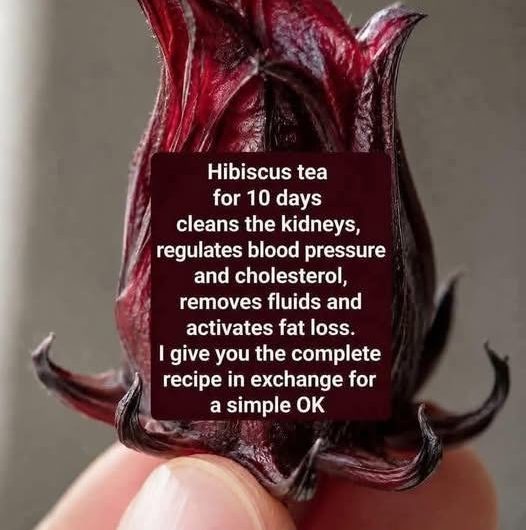
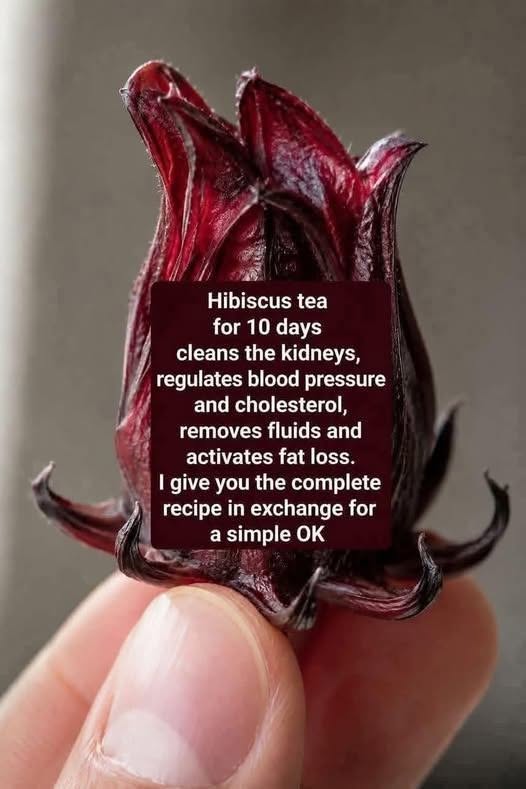
- Hibiscus refers to a large group of flowering plants that grow in tropical and temperate regions. For hibiscus tea, the variety commonly used is Hibiscus sabdariffa, also known as roselle.
- The plant has been used in different parts of the world to make drinks, preserves, teas, and syrups. The dried hibiscus flowers have a strong natural color, which is why even a small amount can turn water a striking red.
- Hibiscus is also used in traditional drinks from different regions. In the Caribbean, dried hibiscus is used to prepare Jamaican sorrel, while in Mexico it is used to make agua de Jamaica. Those drinks can contain additional ingredients and sweeteners, but this homemade tea keeps things much simpler.
- Using only dried hibiscus flowers and water allows the natural character of the ingredient to stand out. The finished tea is floral, fruity, and tart, with a flavor that can remind you of cranberry juice.
Why Make Hibiscus Tea at Home?
- There are several reasons this drink is worth making at home. First, the method is extremely uncomplicated. There is no complicated brewing process, special equipment, or long list of ingredients.
- The second advantage is that the strength can be adjusted by changing the chilling time. The tea develops a bright red color after about 20 minutes, but leaving it to chill overnight gives it a deeper color and more pronounced flavor.
- It is also easy to prepare in a pitcher or jar and keep chilled until you are ready to serve it. This makes it useful when preparing drinks ahead of time for a meal or simply keeping a refreshing beverage ready in the refrigerator.
- Because the tea is naturally caffeine-free, it is also a good option when you want a flavorful drink without the caffeine found in traditional black or green tea.
Ingredients You Need
The main ingredients are very simple:
- ¼ cup dried hibiscus flowers
- 4 cups cold filtered water
For serving, the recipe also includes:
- Ice, for serving
- Sweetener of choice, such as sugar, maple syrup, honey, or agave, optional
- 1 small bunch fresh mint, for garnish
- ¼ cup raspberries, for garnish
- The dried hibiscus flowers provide both the color and the characteristic tart flavor. Cold filtered water forms the base of the drink and allows the flowers to slowly release their flavor as they chill.
- Sweetener is optional. If you enjoy tart drinks, you may find that the tea is pleasant without any sweetener. If you prefer a smoother, sweeter drink, add the sweetener gradually until it tastes right.
How to Make Hibiscus Tea
- 1. Add the Hibiscus Flowers
- Start by placing the dried hibiscus flowers in a 1-quart jar or a medium pitcher. Make sure the container has enough room for all of the water with a little space left for stirring.
- The dried flowers may look quite dark, but they will quickly begin releasing their color once they come into contact with the water.
- 2. Add the Cold Water
- Pour the 4 cups of cold filtered water over the dried hibiscus flowers. Stir the mixture gently so the flowers are fully moistened and distributed throughout the water.
- At this stage, the liquid may not yet have the deep ruby-red color associated with finished hibiscus tea. That develops as the flowers sit in the water.
- 3. Chill the Tea
- Place the jar or pitcher in the refrigerator and allow the tea to chill for at least 20 minutes.
- After about 20 minutes, the water should have taken on a bright red color and a noticeable hibiscus flavor. If a stronger flavor and deeper color are preferred, let the mixture chill overnight.
- This longer chilling time is particularly convenient when preparing the tea in advance. The drink can be made the evening before and strained the next day.
- 4. Strain the Flowers
- Once the tea has reached the desired strength, place a fine-mesh strainer over a clean bowl or pitcher.
- Pour the hibiscus mixture through the strainer. The strainer will catch the dried flowers while allowing the ruby-red tea to pass through.
- Pressing or squeezing the flowers is not necessary. Simply allow the liquid to drain through the fine mesh until the tea has been separated from the flowers.
- 5. Serve Over Ice
- Fill glasses with ice and pour the strained hibiscus tea over the top.
- Taste the tea before adding sweetener. Hibiscus has a naturally tart flavor, so you can decide whether you prefer it as it is or want to soften the tartness with a little sugar, maple syrup, honey, or agave.
- Since the sweetener is optional, there is no need to add it if you enjoy the natural flavor of hibiscus.
- 6. Add the Garnish
- Finish each glass with fresh mint and raspberries.
- The mint adds a fresh appearance and complements the fruity and floral character of the tea. Raspberries add another pop of color and make the drink especially attractive when served over ice.
- The garnish is optional from a flavor standpoint, but it gives the finished drink a simple, fresh presentation.
How Strong Should Hibiscus Tea Be?
- The strength of hibiscus tea mainly depends on how long the flowers remain in the water.
- For a lighter drink, the minimum chilling time of about 20 minutes gives the tea a bright color and a refreshing flavor. If you prefer a stronger drink, allowing it to chill overnight produces a deeper color and more developed flavor.
- The important thing is to taste the tea before serving. Hibiscus has a naturally bold tartness, so the ideal strength depends on personal preference.
- If the tea tastes too tart, sweetener can be added to balance it. If you enjoy sharp, fruity flavors, it can be served without sweetener.
Serving Hibiscus Tea
- Iced hibiscus tea is particularly refreshing when served in a glass filled with plenty of ice. The ruby-red color makes it an attractive drink for everyday meals as well as casual gatherings.
- For the best presentation, use clear glasses so the color of the tea can be seen. Add a few fresh mint leaves and raspberries just before serving.
- The drink can also be prepared ahead of time. Since the tea needs at least 20 minutes to develop its color and flavor, making it in advance gives the hibiscus enough time to infuse fully.
Making Hot Hibiscus Tea
- The same basic ingredient can also be prepared as a hot drink.
- For hot hibiscus tea, pour 1 cup of boiling water over 1 tablespoon of dried hibiscus flowers in a mesh tea infuser. Let it steep for 5 minutes, then remove the hibiscus.
- The resulting tea can be enjoyed warm. Honey and lemon juice can be used with this hot preparation as described in the original method.
- This version has the same characteristic tart hibiscus flavor but feels warmer and more comforting, making it especially suitable for colder weather.
Simple Variations
- The basic iced tea can also be changed slightly for a different serving style
- Make It Fizzy
- A glass of strong iced hibiscus tea can be topped with sparkling water for a fizzy version. A squeeze of lime juice can also be added for a citrusy finish.
- Add a Warming Note
- For a warmer flavor, add a cinnamon stick to the pitcher or jar before chilling the tea. The cinnamon pairs naturally with the fruity and floral character of hibiscus.
- Adjust the Sweetness
- Hibiscus is naturally tart, so sweetener is completely optional. Sugar, maple syrup, honey, or agave can all be used according to taste.
- Start with a small amount and adjust gradually. This makes it easier to keep the tart hibiscus flavor while adding just enough sweetness to suit your preference.
Hibiscus Tea Benefits
- Hibiscus tea is a caffeine-free herbal drink and is often discussed for its potential health benefits. Hibiscus contains antioxidants, including compounds associated with vitamin C and beta-carotene, which help protect the body from harmful free radicals.
- Hibiscus has also been studied for its possible role in supporting healthy blood pressure and cholesterol levels. Some research has found promising results, although these potential benefits should not be treated as a replacement for medical care or prescribed treatment.
- The drink is also associated with anti-inflammatory properties. However, individual health effects can vary, and anyone with a medical condition or concerns about how hibiscus may interact with medication should consult a healthcare professional.
- For everyday purposes, hibiscus tea can simply be enjoyed as a flavorful, caffeine-free beverage with a naturally vibrant color.
Tips for Making Hibiscus Tea
- Use Cold Filtered Water
- Cold filtered water is used in this recipe to create a clean-tasting base. Since there are only two main ingredients, the quality of the water can make a noticeable difference in the finished drink.
- Give It Enough Time
- Do not rush the chilling process. The flowers need time to release their color and flavor into the water. Twenty minutes is enough for a bright, refreshing tea, while overnight chilling gives a stronger result
- Taste Before Sweetening
- Because hibiscus is naturally tart, taste the tea before adding any sweetener. Some people enjoy that tartness without anything added, while others prefer a sweeter drink.
- A fine-mesh strainer makes it easy to remove the dried flowers and leaves you with a smooth tea. Strain the tea over a bowl or pitcher before transferring it to serving glasses.
Healthy Homemade Hibiscus Tea
A simple homemade hibiscus tea made with dried hibiscus flowers and cold filtered water. The tea has a vibrant ruby-red color and a naturally fruity, tart flavor. Serve it chilled over ice with optional sweetener, fresh mint, and raspberries.
4
servings5
minutes25
minutes5
kcalIngredients
¼ cup dried hibiscus flowers
4 cups cold filtered water
Ice, for serving
Sweetener of choice, such as sugar, maple syrup, honey, or agave, optional
1 small bunch fresh mint, for garnish
¼ cup raspberries, for garnish
Directions
- Place the dried hibiscus flowers in a 1-quart jar or medium pitcher.
- Add the cold filtered water and stir to combine.
- Pour the tea through a fine-mesh strainer set over a bowl or pitcher to remove the hibiscus flowers.
- Fill serving glasses with ice and pour in the strained tea.
- Sweeten to taste, if desired.
- Garnish with fresh mint and raspberries before serving.
Notes
- Hibiscus tea has a naturally tart, fruity flavor and can be enjoyed without sweetner
- For a stronger tea, chill the mixture overnight.
- To make hot hibiscus tea, pour 1 cup of boiling water over 1 tablespoon dried hibiscus flowers in a mesh tea infuser. Steep for 5 minutes, then remove the hibiscus.
- For a fizzy variation, top strong iced tea with sparkling water.
- A cinnamon stick can be added before chilling for a warmer flavor.
Nutrition Facts
- Calories: 5kcal
- Fat: 0g
- Sodium: 5mg
- Carbohydrates: 1g
- Fiber: 0g
- Sugar: 0g
- Protein: 0g
