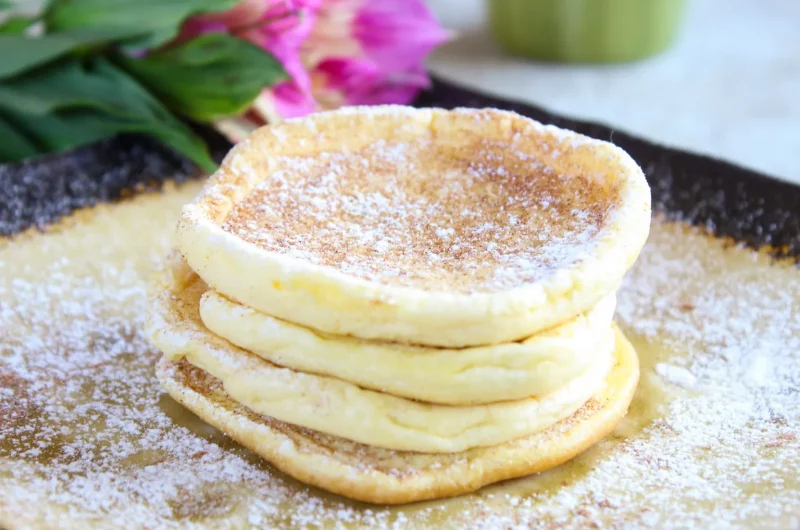

These soft Carnivore Pancakes are a simple way to make pancakes without using regular flour or nut flour. The recipe uses only three main animal-based ingredients—eggs, collagen peptides, and gelatin powder—along with a little salt and the cooking fat of your choice.
The result is surprisingly soft and thick. The pancakes do not have the same texture as traditional flour-based pancakes, but they are close enough in appearance and texture to make a satisfying breakfast when following a carnivore or very low-carbohydrate style of eating.
The key to getting the texture right is not adding more ingredients. It is the way the eggs are prepared.
Instead of mixing the whole eggs together at once, the whites and yolks are handled separately. The egg whites are beaten until very stiff, while the yolks are whisked until creamy. Collagen is added to the yolks, and gelatin is incorporated into the whites. The two mixtures are then gently folded together.
This extra step helps create pancakes that are lighter, softer, and thicker than simply mixing everything together in one bowl.
Why These Pancakes Work
- Traditional pancakes usually get their structure from flour, but there is no flour in this recipe. There is also no need for nut flour or another low-carb flour substitute.
- Eggs provide the main structure, while collagen peptides and gelatin help give the batter body.
- Gelatin and collagen peptides are both derived from collagen. They are similar but behave differently in a recipe. Collagen peptides dissolve easily, while gelatin has gelling properties and can help provide structure.
- For this recipe, unflavored grass-fed beef collagen peptides and unflavored grass-fed gelatin powder are used.
- Because the ingredient list is so short, the quality and preparation of each ingredient matter. It is especially important to use plain, unflavored collagen and gelatin so that they do not change the taste or texture of the pancakes.
The Most Important Step: Separating the Eggs
- The first thing to pay attention to is separating the eggs properly.
- When separating the three large eggs, make sure that no yolk gets into the egg whites. Even a small amount of yolk can make it difficult for the whites to become very stiff.
- The bowl used for the egg whites should also be completely clean and grease-free. Any leftover oil or grease can interfere with whipping the whites.
- Once the whites are separated, place them in the clean bowl with the salt. The gelatin powder is added slowly while the whites are being beaten.
- Start the hand mixer on low speed so the gelatin does not fly out of the bowl. Once the mixture becomes foamy, increase the speed and continue beating until the whites are very stiff.
- Do not rush this step. The stiff egg whites are an important part of the final texture.
Preparing the Egg Yolks
- The yolks can be prepared while the whites are finished or immediately afterward.
- There is no need to wash the mixer attachments between the two mixtures if the same attachments are used first with the whites and then with the yolks.
- Place the egg yolks in a separate bowl. Add the vanilla extract if using it, then whisk until the yolks become creamy. This usually takes about one minute.
- Once the yolks are creamy, add the collagen peptides.
- Whisk again until the collagen is incorporated and the mixture looks evenly combined.
- At this point, there will be two separate mixtures: stiff egg whites containing gelatin and creamy egg yolks containing collagen.
Folding the Batter
- This is another step where gentle handling makes a difference.
- The whipped egg whites should not be stirred aggressively into the yolks. Instead, add the whites to the yolk mixture in three portions.
- Take about one-third of the whites and gently fold them into the yolks. Once that portion is mostly incorporated, add another third. Continue with the final portion.
- Keep folding carefully until no obvious white streaks remain.
- The goal is to combine the two mixtures without unnecessarily knocking all of the air out of the beaten whites.
- The finished batter will look light and airy. It is much different from a typical pancake batter because it does not contain flour or a liquid base.
Getting the Pan Ready
- A frying pan with a lid is important for this recipe.
- The pancakes need to cook slowly, and covering the pan helps them cook through while they rise. A pan without a lid makes it more difficult to achieve the same soft, thick texture.
- Heat the pan with about 1 tablespoon of the cooking grease.
- The recipe calls for bacon grease, but ghee, butter, or avocado oil can also be used according to the original ingredient list. If keeping the recipe dairy-free, choose bacon grease or avocado oil rather than butter or ghee.
- The pan should be hot before the batter is added.
- Once it is hot, turn the heat down to low. The ideal setting is between low and medium-low rather than the absolute lowest setting.
- This part is worth paying attention to because the heat has a big effect on the pancakes.
Why Low Heat Matters
- These pancakes need time to cook and rise gradually.
- If the heat is too high, the pancakes can rise quickly while cooking and then collapse significantly afterward. The outside may also brown before the inside has had enough time to set.
- A lower heat gives the pancakes time to cook more evenly.
- The goal is not to brown them as quickly as possible. Instead, let them slowly become set and golden underneath while the covered pan helps the top cook.
- The exact temperature can vary slightly depending on the pan and stovetop, so watch the pancakes rather than relying only on the burner setting.
Cooking the First Batch
- Use about one heaping tablespoon of batter for each pancake.
- Place the batter into the hot, greased pan and gently shape each portion into a small circle. The pancakes should be about 2 inches wide.
- It is best not to make them too large because smaller pancakes are easier to handle and flip.
- About three pancakes can be cooked at a time, depending on the size of the pan.
- Once the batter is in the pan, place the lid on top.
- Let the pancakes cook for about 8 minutes.
- The top should look set, while the underside should have developed a golden-brown color. Avoid lifting the lid repeatedly because the pancakes need the covered cooking environment to rise and cook properly.
Flipping the Pancakes
- When the tops look set and the bottoms are golden-brown, carefully flip the pancakes.
- They are soft, so use a gentle hand when turning them.
- Place the lid back on the pan and continue cooking for another 5 minutes.
- The second side does not necessarily need to become deeply browned. The important thing is that the pancakes are cooked through while remaining soft.
- Once the second side has cooked, transfer the pancakes out of the pan and continue with the remaining batter.
- Add more cooking grease to the pan as needed before starting another batch.
Keeping the Remaining Batter Cold
- If the pancakes need to be cooked in several batches, keep the remaining batter in the refrigerator while the first batch cooks.
- This helps keep the unused batter chilled while the pan is occupied.
- When the first batch is finished, add more grease to the pan and continue cooking the remaining batter using the same method.
Keep the heat low and give each batch enough time to cook slowly.
What to Expect When They Cool
- One thing to know about these pancakes is that they will deflate somewhat as they cool.
- That is normal.
- The pancakes may look taller while they are cooking and then settle down once removed from the heat. Even after they deflate, they should remain thick and soft.
- The texture comes from the combination of properly beaten egg whites, gelatin, and collagen, so the preparation method is just as important as the ingredients themselves.
- If the pancakes collapse dramatically, the heat may have been too high, or the batter may have been mixed too aggressively. Keeping the cooking temperature controlled and folding the egg whites gently can help maintain the desired texture.
Choosing the Right Collagen and Gelatin
- For this recipe, use unflavored, grass-fed bovine collagen peptides and unflavored, grass-fed gelatin powder.
- The collagen should be hydrolyzed collagen peptides, which are designed to dissolve easily.
- Avoid flavored collagen products because they can change the flavor of the pancakes and may introduce additional ingredients that are not part of this recipe.
- The gelatin should also be plain and unflavored.
- Since there are only a few ingredients in the recipe, using the specified types keeps the recipe close to the intended texture and flavor.
Serving the Pancakes
- These pancakes can be served plain or topped according to the dietary approach being followed.
- For a keto-style serving, powdered erythritol, such as Swerve Confectioner, and cinnamon can be used. Other options mentioned with the recipe include honey, sugar-free maple syrup, melted butter, or whipped cream, depending on individual dietary preferences and restrictions.
- For a stricter carnivore approach, toppings may be kept very simple or omitted altogether.
- Because the pancakes have a mild flavor, they can work with different toppings without becoming overpowering.
- They are best served warm, shortly after cooking, while they still have their soft texture.
A Few Things to Remember
- The recipe is straightforward once the egg-whipping process is understood.
- First, make sure the egg whites are completely free of yolk and that the bowl is grease-free. Second, beat the whites until they are very stiff rather than stopping while they are only foamy. Third, whisk the yolks until creamy before adding the collagen.
- After that, fold the whites into the yolks gradually and gently.
- During cooking, make sure the pan is hot before adding the batter, then reduce the heat. Keep the lid on while the pancakes cook, and avoid turning the heat too high.
- The pancakes should cook slowly rather than quickly.
- A little deflation after cooking is expected and does not mean the pancakes have failed.
Making Them at Home
- Once the batter is prepared, the rest of the recipe is much like making small pancakes in a regular frying pan. The main difference is that this batter is much more delicate than traditional pancake batter.
- Small portions are easier to cook and flip, and keeping the heat controlled helps prevent the pancakes from rising too quickly and collapsing.
- With the short ingredient list, there is not much to prepare before starting. Have the eggs separated, the gelatin and collagen measured, the pan and lid ready, and the cooking grease available.
- Then the pancakes can be prepared in batches and served warm.
- These soft Carnivore Pancakes are a useful option when a pancake-style breakfast is wanted without using conventional flour. The combination of eggs, collagen peptides, and gelatin creates a soft, thick pancake that can be enjoyed plain or finished with a preferred topping.
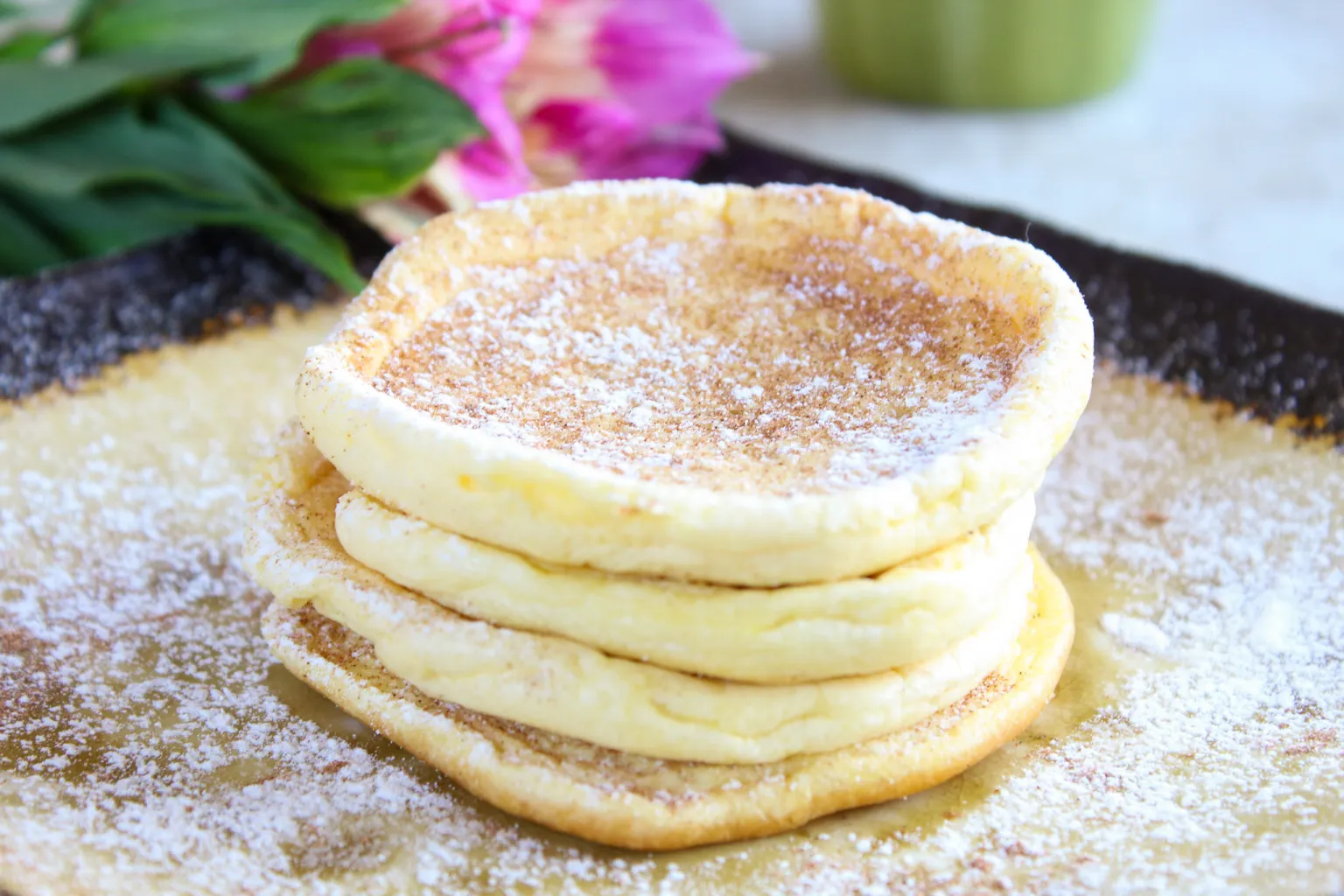
Low Carb Carnivore Pancake
Soft, thick pancakes made without flour or nut flour. This recipe uses eggs, grass-fed gelatin, and grass-fed collagen peptides for a simple animal-based, keto-friendly breakfast. Separating and whipping the egg whites is the key to achieving the soft texture.
3
servings10
minutes25
minutes186
kcalIngredients
3 large eggs, separated
1 dash salt
1 tbsp gelatin, unflavored, grass-fed
3 tbsp collagen peptides, unflavored, grass-fed
½ tsp vanilla extract, optional
2 tbsp bacon grease for frying, or ghee, butter, or avocado oi
Directions
- Add the egg whites and salt to a large, grease-free bowl.
- Slowly add the gelatin powder while beating the egg whites with a hand mixer on low speed.
- Once the whites become foamy, increase the mixer speed to high. Continue beating until the whites are very stiff
- In a separate bowl, use the same mixer attachments to whisk the egg yolks with the optional vanilla extract until creamy, about 1 minute.
- Add the collagen peptides to the yolks and whisk until well combined.
- Gently fold the whipped egg whites into the yolk mixture, adding them in three portions. Continue folding until no white streaks remain.
- Heat a frying pan over medium heat with 1 tablespoon of grease.
- Once the pan is hot, reduce the heat to low, somewhere between medium-low and the lowest setting.
- Add about 1 heaping tablespoon of batter to the pan for each pancake. Shape each one into a small circle about 2 inches wide.
- Cover the pan with a lid and cook for about 8 minutes, until the tops look set and the bottoms are golden-brown.
- Carefully flip the pancakes, cover the pan again, and cook for another 5 minutes.
- Keep the remaining batter in the refrigerator while the first batch cooks.
- Add more grease to the pan as needed and repeat with the remaining batter.
- The pancakes will deflate somewhat as they cool but should remain thick and soft.
- The pancakes will deflate somewhat as they cool but should remain thick and soft.
Notes
- Use a completely grease-free bowl for whipping the egg whites.
- Make sure no egg yolk gets into the egg whites.
- The egg whites should be beaten until very stiff.
- Fold the whites into the yolks gently to preserve the airy texture.
- Cook the pancakes slowly over low heat, between medium-low and the lowest setting.
- Avoid cooking over high heat. The pancakes may rise too quickly and then deflate significantly.
- A frying pan with a lid works best for this recipe.
- The pancakes naturally deflate somewhat as they cool.
Nutrition Facts
- Serving Size: 2 g
- Calories: 186kcal
- Fat: 14g
- Carbohydrates: 0.4g
- Sugar: 0.3g
- Protein: 14g
