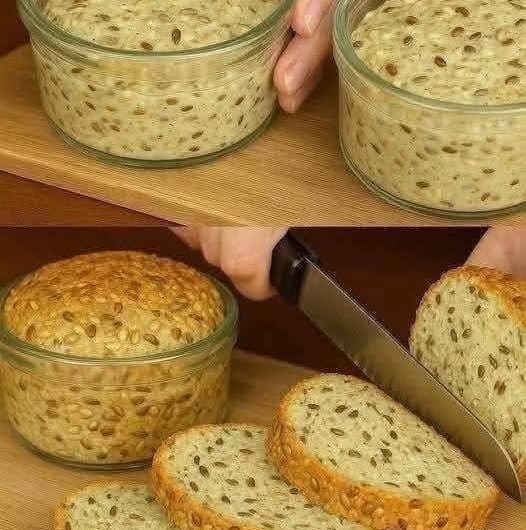

Finding a good bread option while following a low-carb lifestyle can be challenging. Bread is one of those everyday foods that many people miss because it is connected with simple meals, quick breakfasts, and comforting snacks. A warm slice of bread with butter, eggs, avocado, or your favorite topping can make a meal feel complete. That is why I enjoy making my own keto-friendly bread at home. It gives me the satisfaction of having a homemade loaf ready whenever I need something filling and nutritious.
This seeded bread has become one of my favorite homemade options because it has a hearty texture, a pleasant crunch, and a rich flavor from the combination of seeds. Unlike many low-carb breads that can feel too soft or egg-heavy, this type of loaf has a more satisfying bite. The seeds add character and make every slice feel more like traditional bread while keeping it suitable for a lower-carbohydrate way of eating.
I like preparing this bread at home because it is simple, practical, and easy to keep ready for busy days. Once baked and cooled, it can be sliced and stored so there is always something available for breakfast, lunch, or a quick snack. It works beautifully toasted, and the flavor becomes even better when paired with savory toppings or a little spread of butter.
Why I Enjoy Making Seeded Bread at Home
- Homemade bread always has a special appeal because I know exactly what goes into it. Making a keto-friendly loaf from scratch allows me to choose quality ingredients and adjust the texture according to my preference. Instead of relying on store-bought alternatives, I can prepare a fresh loaf whenever I want something wholesome and satisfying.
- One of the best things about seeded bread is the texture. The seeds create a delicious contrast that makes every slice interesting. They add crunch, depth, and a slightly nutty flavor that balances the mild base of the bread. This makes it enjoyable even without heavy toppings.
- I also appreciate how filling this bread can be. A single slice can make a simple meal feel much more satisfying because the ingredients provide a combination of healthy fats, fiber, and protein. It is a great choice when I want something easy that keeps me full for longer.
The Secret Behind a Better Keto Bread Texture
- Creating a good low-carb bread is all about balance. Traditional bread gets its structure from gluten, but keto-friendly versions need different ingredients to create a firm yet enjoyable texture. The right combination of ingredients helps produce a loaf that holds together well and slices easily.
- Seeds play an important role in improving both texture and flavor. Instead of having a plain loaf, adding seeds creates a more rustic homemade feel. The small crunchy pieces throughout the bread make it more enjoyable and give each slice a bakery-style appearance.
- Another important part of making this type of bread is allowing it to cool properly before slicing. Freshly baked low-carb bread continues to set as it cools, so waiting before cutting helps maintain the structure. Slicing too early can make the loaf feel softer and more delicate.
Choosing Ingredients for Homemade Seeded Bread
- When I prepare this bread, I focus on using ingredients that create both flavor and texture. The base ingredients are selected to keep the bread low in carbohydrates while still giving it a satisfying consistency.
- Seeds are the highlight of this recipe. They bring natural flavor and a pleasant crunch while adding nutritional value. Different seeds have their own unique qualities, which is why a combination creates a more balanced result. Some provide richness, while others contribute texture and extra fiber.
- Eggs help provide structure and moisture, making the loaf firm enough to slice while keeping it tender. Healthy fats add richness and improve the overall mouthfeel, helping the bread feel more like a traditional homemade loaf.
- The small additions used in low-carb baking are also important because they help improve the final result. Ingredients that support texture and stability allow the bread to hold together properly instead of becoming dry or crumbly.
How I Make This Bread Successfully Every Time
- When I bake this loaf at home, preparation is the first step. I always make sure the baking pan is ready before mixing the ingredients. Proper preparation helps the bread release easily after baking and keeps the finished loaf looking neat.
- Mixing the ingredients thoroughly is another important step. Low-carb mixtures often have a different texture compared with regular bread dough, so giving everything enough time to combine creates a more even loaf. I prefer making sure the dry ingredients are evenly distributed before baking.
- The baking process requires patience because the loaf needs enough time to develop its structure. A properly baked keto bread should feel firm and set in the center. Once it is removed from the oven, allowing it to cool completely makes slicing much easier.
Serving Ideas for Keto Seeded Bread
- One reason I love this type of bread is its versatility. It can be enjoyed in many different ways depending on the meal. A toasted slice makes a wonderful breakfast base, especially when topped with eggs, avocado, or other savory ingredients.
- For lunch, it can be used as a simple sandwich bread. Because it has a sturdy texture, it works well with fillings without falling apart easily. It is also delicious with soups, salads, or as a side for a homemade meal.
- Sometimes the simplest way is the best. A warm toasted slice with butter can be incredibly satisfying. The seeds add enough flavor that the bread does not need complicated toppings to taste good.
Storing Homemade Keto Bread
- Since homemade bread does not contain the same preservatives as many packaged options, proper storage helps maintain freshness. I usually keep the loaf stored correctly after it has completely cooled.
- Slicing the bread before storing makes it easier to use throughout the week. Individual slices can be taken out whenever needed, making breakfast or quick meals much more convenient.
- Freezing is also a great option for homemade keto bread. Keeping slices frozen allows the loaf to last longer while still maintaining its texture and flavor when reheated or toasted.
Final Thoughts
- Making homemade seeded bread is a simple way to enjoy the comfort of bread while following a low-carb lifestyle. The combination of seeds, rich ingredients, and a satisfying texture makes this loaf a practical addition to any kitchen.
- I enjoy keeping a homemade loaf available because it turns simple meals into something more enjoyable. Whether toasted for breakfast, used for lunch, or enjoyed as a quick snack, this bread proves that low-carb eating does not have to mean giving up the foods you love.
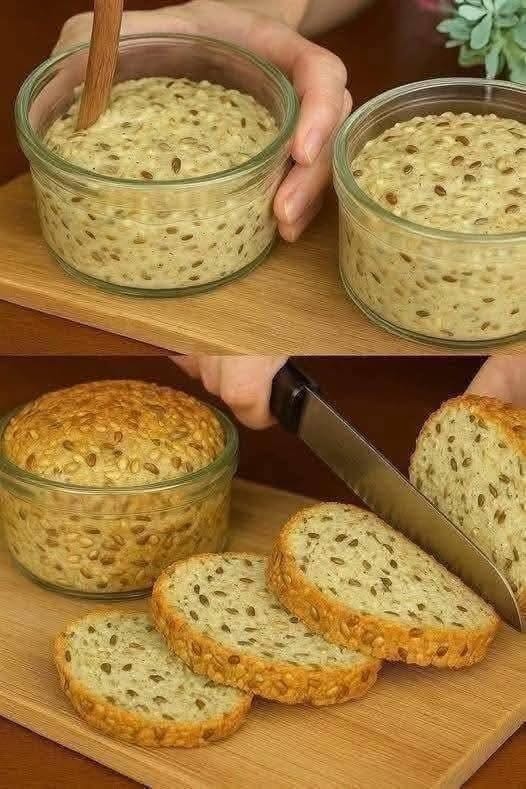
Keto Seeded Bread
This homemade keto seeded bread is a hearty, low-carb loaf made with a combination of wholesome seeds and simple baking ingredients. It has a firm texture, a satisfying crunch, and a rich homemade flavor that makes it perfect for breakfast, sandwiches, toast, or serving alongside your favorite meals. The bread slices well once cooled and can be stored for convenient use throughout the week
4
servings15
minutes40
minutes300
kcalIngredients
¼ cup sunflower seeds
¼ cup pumpkin seeds1 tablespoon chia seeds
½ cup coconut flour2 tablespoons flaxseed flour
2 eggs4 egg whites
2 tablespoons coconut oil1 tablespoon baking powder
2 tablespoons psyllium husk powder1 tablespoon apple cider vinegar
½ teaspoon salt
½ cup boiling water
Directions
- Preheat the oven to 180°C (350°F). Prepare a loaf pan by greasing it and lining the bottom with baking paper for easier removal after baking.
Add the coconut flour, psyllium husk powder, baking powder, salt, flaxseed flour, sunflower seeds, pumpkin seeds, and chia seeds to a large mixing bowl. Stir well until all dry ingredients are evenly combined. - Add the eggs and egg whites to the dry mixture. Mix thoroughly until the ingredients begin to form a thick batter.
Add the coconut oil and continue mixing until the mixture becomes evenly combined. - Pour in the apple cider vinegar and mix it through the batter. The mixture may slightly change texture as the ingredients react together.
Slowly add the boiling water while mixing until the batter reaches a thick dough-like consistency. - Transfer the mixture into the prepared loaf pan and smooth the surface evenly. Add extra seeds on top if desired.
Bake in the preheated oven for 35–40 minutes, or until the loaf is firm and a skewer inserted into the center comes out clean. - Allow the bread to cool completely before slicing. Cooling helps the loaf set properly and prevents crumbling.
Notes
- Allow the bread to cool fully before cutting for cleaner slices and better texture
- Store the bread in an airtight container or refrigerator to maintain freshness
- Slicing the loaf before storing makes it easier to use throughout the week.
The bread can be frozen in individual slices and toasted whenever needed - For extra flavor, serve toasted with butter, avocado, eggs, or your favorite low-carb toppings.
