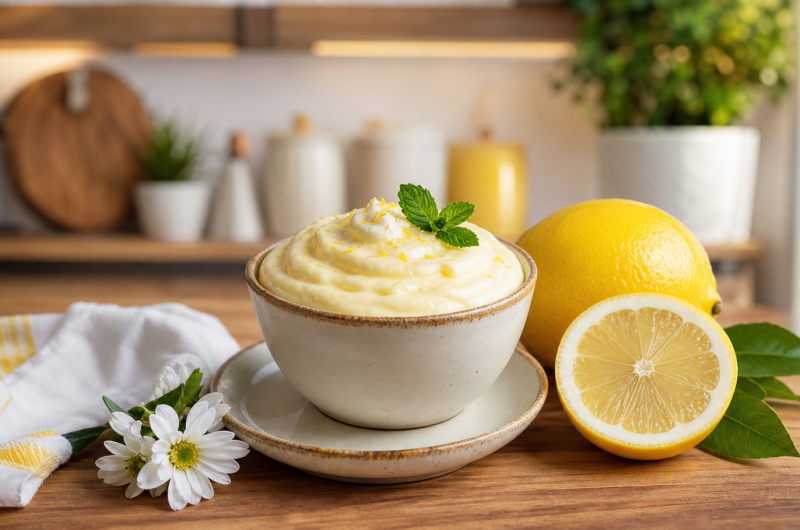

If you have been searching for a high protein dessert that fits into a keto or low carb lifestyle, this lemon pudding is worth adding to your recipe collection. It delivers eighteen grams of protein per serving while keeping carbs to just four grams and fat around eleven grams, all without using any dairy, cottage cheese, protein powder, or almond flour. The result is a smooth, tangy, and satisfying pudding that feels indulgent while still supporting a low carb way of eating.
Why This Pudding Stands Out From Other Keto Desserts
Many keto dessert recipes rely heavily on cottage cheese, protein powder, or almond flour to boost protein content, but this recipe takes a different approach. By using whole eggs and egg whites as the main protein source, this pudding avoids the grainy texture that sometimes comes with cottage cheese based recipes and skips the need for protein powder altogether. For anyone who is not a fan of cottage cheese but still wants a high protein, low carb dessert, this lemon pudding offers a genuinely different option.
The Role of Protein in Midlife Health
Getting enough quality protein becomes increasingly important as we move through perimenopause and menopause, particularly for maintaining lean muscle mass, supporting metabolic health, and managing weight over the long term. Protein does more than support muscle; it also plays a role in stabilizing blood sugar levels, regulating appetite, and supporting the body’s natural detox processes. Including a dessert like this one, which is naturally high in protein, can be a practical way to work more of this nutrient into your day without feeling like you are sacrificing flavor or enjoyment.
Why Eggs Are a Smart Protein Choice
Eggs are one of the most nutrient dense and easily absorbed sources of protein available, making them a strong choice for anyone following a keto or low carb diet, and particularly useful for those navigating midlife hormonal changes. A single egg contains all nine essential amino acids your body needs, along with a range of other nutrients that support overall health. This makes eggs a practical, affordable, and versatile ingredient to build a dessert recipe around, especially one that needs to be both high in protein and low in carbohydrates.
Nutrients Found in Eggs and Egg Yolks
Beyond their protein content, eggs and egg yolks in particular provide a wide range of nutrients that support different areas of health. They contain choline, which plays a role in brain health, liver function, and fat metabolism, along with vitamin D, which supports mood, immune function, and hormone regulation. Eggs also provide B12 and folate, both important for energy production and nervous system health, as well as lutein and zeaxanthin, two antioxidants known for supporting eye health over time.
Why This Recipe Uses Both Whole Eggs and Egg Whites
This pudding recipe combines both whole eggs and additional egg whites, which allows you to benefit from the full nutrient profile found in the yolk while still keeping the overall fat content moderate. Most of the vitamins and healthy fats in an egg are found in the yolk, so including whole eggs ensures you are not missing out on those benefits. Adding extra egg whites on top of that boosts the overall protein content of the pudding without significantly increasing the fat, which helps keep this recipe balanced for those following specific macro targets.
Making This Pudding Plant Based With Agar Agar
For anyone following a plant based or vegetarian diet who still wants to enjoy this pudding, gelatin can be swapped out for agar agar powder instead. This substitution allows the pudding to set properly without using an animal derived ingredient, making the recipe more accessible to a wider range of dietary preferences while still achieving a similar texture to the original version.
How to Substitute Agar Agar for Gelatin
To make this swap, replace the one teaspoon of gelatin with half a teaspoon of agar agar powder. Start by dissolving the agar agar powder into the coconut milk before heating it, then bring the mixture to a gentle boil and let it simmer for two to three minutes so the agar fully activates. Once this is done, allow the mixture to cool slightly before blending it together with the rest of the pudding ingredients as directed in the main recipe.
Adjusting Texture When Using Agar Agar
It is worth knowing that agar agar tends to set more firmly than gelatin does, which can result in a slightly different texture if you are used to the original version of this recipe. If you prefer a softer, more custard-like consistency, consider starting with just under half a teaspoon of agar agar rather than the full amount. From there, you can adjust the quantity the next time you make this recipe based on how the texture turns out and your personal preference.
Ingredient Substitutions to Fit Your Needs
This lemon pudding recipe is flexible enough to accommodate a few different dietary needs and ingredient preferences, which makes it easier to fit into a variety of eating styles. Whether you need to avoid dairy, prefer a different sweetener, or simply do not have a specific ingredient on hand, there are practical substitutions available that will not compromise the overall texture or flavor of the finished pudding too much.
Substituting the Coconut Milk
If keeping this recipe dairy free is not a priority for you, coconut milk can be swapped out for heavy cream instead. This substitution will change the flavor slightly, moving it away from the subtle coconut notes and toward a richer, more traditional pudding taste, while still helping the pudding set properly thanks to the fat content in heavy cream.
Using Almond Milk Instead of Coconut Milk
Unsweetened almond milk can also be used in place of coconut milk if that is what you have available, though this substitution has not been thoroughly tested in this specific recipe. Since coconut milk contains more fat than almond milk, and that fat helps the pudding solidify properly, you may need to increase the amount of gelatin slightly if you choose to make this swap.
Why Xanthan Gum Is Not a Good Substitute
Some people wonder whether xanthan gum could work in place of gelatin in this recipe, but this substitution is not recommended. Xanthan gum works differently than gelatin when it comes to thickening and setting a mixture, and using it here would likely result in a pudding that does not achieve the same smooth, set texture that gelatin provides in this particular recipe.
Choosing a Different Sweetener
If lemon stevia is not something you enjoy or have access to, it can be swapped out for any sugar free sweetener you prefer. Liquid sweeteners such as allulose or liquid monk fruit sweetener tend to work well in this recipe, since they blend smoothly into the pudding mixture without adding unwanted texture. Granular low carb sweeteners are not recommended here, though a low carb confectioners sweetener may work reasonably well if that is what you have on hand.
Using Lemon Extract Instead of Fresh Lemon Juice
While fresh lemon juice is recommended for the best flavor in this recipe, lemon extract can be used in a pinch if fresh lemons are not available. Lemon extract is significantly more concentrated and powerful than fresh juice, so it should be used sparingly to avoid overwhelming the pudding with an overly strong or artificial lemon flavor.
How This Pudding Comes Together
The process for making this pudding is fairly quick and does not require any baking, which makes it a convenient option when you want something homemade without spending a lot of time in the kitchen. The eggs are scrambled first, then blended smoothly with the remaining ingredients before being poured into serving jars to set in the refrigerator. This method is what gives the pudding its smooth, creamy texture despite being made primarily from eggs rather than dairy.
Blooming the Gelatin Properly
The first step in this recipe involves pouring lemon juice into a small bowl and sprinkling gelatin over the top to allow it to bloom. This step is important because blooming the gelatin first helps it dissolve more evenly later on when blended with the warm eggs, preventing any lumps or uneven texture in the finished pudding.
Cooking and Blending the Eggs
Once the gelatin has bloomed, the beaten eggs and egg whites are cooked in a nonstick skillet over medium high heat until fully scrambled. These cooked eggs are then transferred into a high speed blender or food processor, where they are combined with the coconut milk, sweetener, and bloomed gelatin. Blending this mixture on high speed until completely smooth is what transforms scrambled eggs into a pudding-like texture, so it is worth taking the time to blend thoroughly until no lumps remain.
Chilling the Pudding to Set
After blending, the mixture is poured into three six-ounce serving jars and placed in the refrigerator to set for two to three hours, or left overnight if you prefer to prepare it in advance. This chilling time allows the gelatin to fully activate and give the pudding its final creamy, sliceable texture, similar to a traditional custard or pudding you might be used to.
Serving Suggestions and Toppings
While this pudding is delicious on its own, a few optional toppings can make it feel even more special when serving. A sprinkle of fresh lemon zest on top adds a burst of citrus aroma, while a small teaspoon of canned coconut cream contributes extra richness without significantly changing the nutritional profile. Fresh berries also pair nicely with the lemon flavor if you want to add a bit of natural sweetness and color to each serving.
Notes for Storing and Preparing This Pudding
This section covers practical details about storing this pudding properly and answers a few common questions that may come up while preparing it at home.
How long does this pudding last in the fridge?
This lemon pudding can be stored in an airtight container in the refrigerator for up to three days. Keeping it covered helps maintain its texture and prevents it from absorbing other flavors from the fridge, so it is best enjoyed within that window for the freshest taste and texture.
Does the nutritional information include toppings?
The nutritional information provided for this recipe does not include any optional toppings such as coconut cream, lemon zest, or fresh berries. If you choose to add any of these toppings, keep in mind that they will slightly change the final calorie and carbohydrate count of each serving.
How many net carbs does each serving contain?
Each serving of this pudding contains just three grams of net carbs, making it a suitable option for those closely tracking their carbohydrate intake as part of a keto or low carb lifestyle.
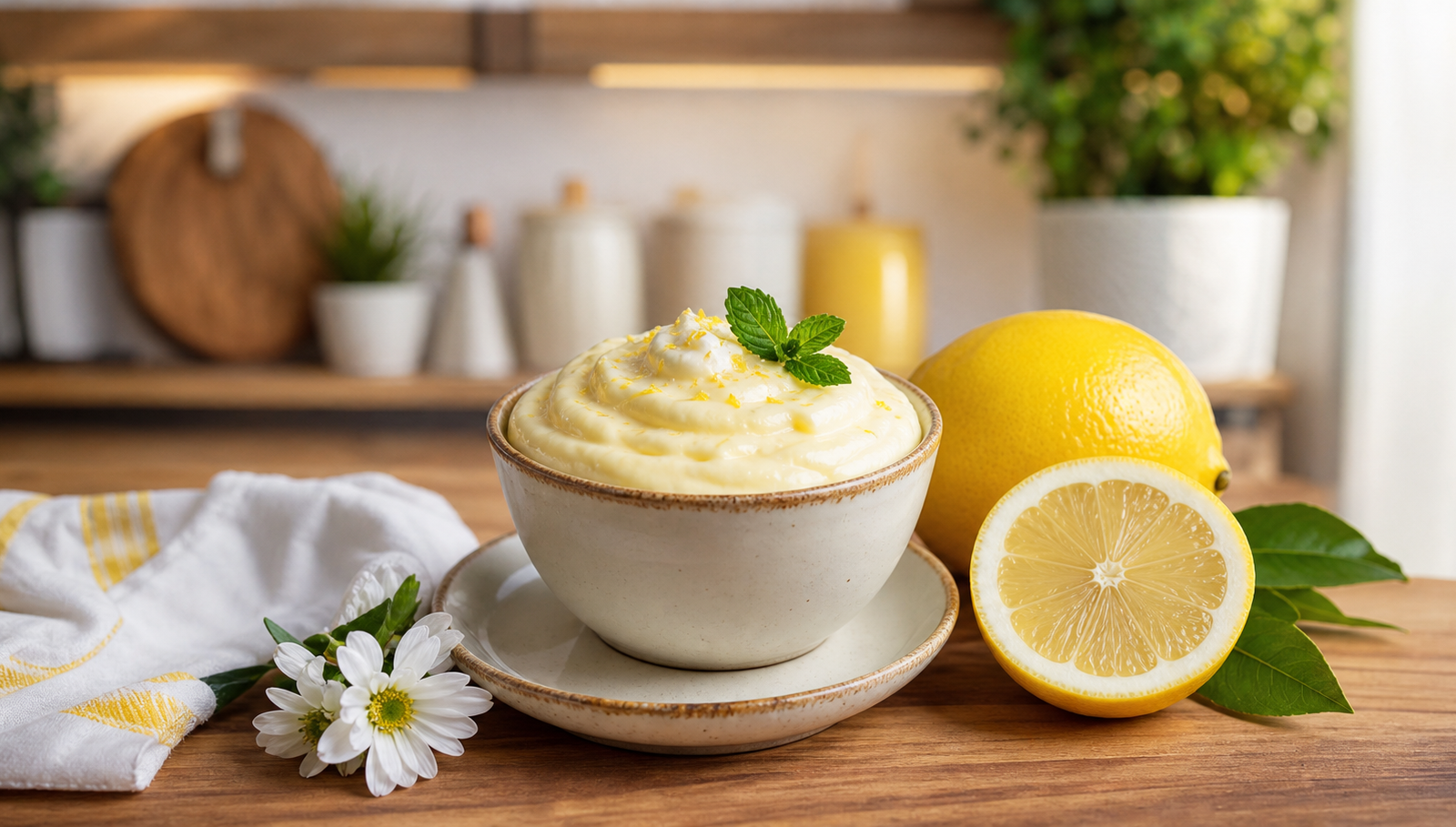
High Protein Lemon Pudding
A creamy, dairy free lemon pudding made without cottage cheese, protein powder, or almond flour. Each serving provides eighteen grams of protein, just four grams of carbs, and eleven grams of fat, making it a satisfying option for anyone following a keto or low carb lifestyle.
3
servings5
minutes5
minutes175
kcal10
minutesIngredients
Lemon juice and zest – 1/4 cup
Gelatin or agar agar – 1 tsp
Large eggs, beaten – 4
Liquid egg whites, beaten – 1 cup
Unsweetened coconut milk (or heavy whipping cream if dairy is not a concern) – 1/4 cup
Lemon liquid stevia or preferred low carb sweetener – 1 tsp, to taste
Directions
- Pour the lemon juice into a small bowl and sprinkle the gelatin over the top to bloom. Set aside.
- Add the beaten eggs and egg whites to a large nonstick skillet over medium high heat. Scramble until fully cooked through.
- Transfer the scrambled eggs into a high speed blender or food processor.
- Add the coconut milk, sweetener, and bloomed gelatin to the blender. Blend on high speed until completely smooth with no lumps. Taste and adjust sweetener as needed.
- Pour the mixture into three six-ounce serving jars and refrigerate for 2 to 3 hours, or overnight, until fully set.
- Top with lemon zest, a teaspoon of canned coconut cream, or fresh berries if desired before serving.
Notes
- The key to a smooth pudding is blending the cooked eggs with the other ingredients until completely creamy. Scrambled eggs may look unusual at first, but high-speed blending transforms them into a smooth pudding texture.
- Do not skip this step. Blooming the gelatin in the lemon juice helps it dissolve evenly and prevents lumps in the finished pudding.
- Adjust the amount of lemon stevia or other sugar-free sweetener according to your taste. The tartness of lemons can vary, so you may prefer slightly more or less sweetener.
- Fresh lemon juice gives the best natural flavor. If using lemon extract instead, start with a very small amount because it is much more concentrated.
- The pudding will continue to firm up as it chills. For the creamiest texture, refrigerate for at least 2–3 hours before serving.
- Agar agar sets more firmly than gelatin. Use slightly less if you prefer a softer, custard-like pudding.
- Coconut milk provides fat that contributes to the pudding’s texture. If using a lower-fat milk such as unsweetened almond milk, the final consistency may be softer.
- Lemon zest, coconut cream, or a few fresh berries make simple finishing touches. Remember that toppings will change the nutritional values.
- Keep the pudding covered and refrigerated. For the best texture and flavor, enjoy within 3 days.
Nutrition Facts
- Total number of serves: 3
- Calories: 175kcal
- Fat: 11g
- Carbohydrates: 4g
- Fiber: 1g
- Sugar: 2g
- Protein: 18g
