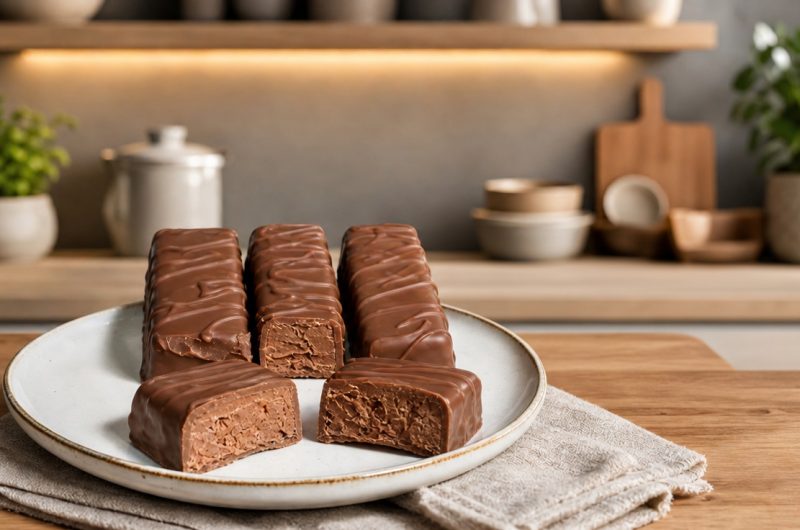

If you have been missing candy bars since starting a keto or low carb lifestyle, these homemade Musketeer candy bars might be exactly what you need. Made with almond butter, heavy cream, coconut oil, and erythritol, this recipe delivers a rich, chocolate-coated snack with only five grams of net carbs per bar. It is a simple no-bake treat that comes together quickly and stores well, making it a practical option for anyone wanting a sweet snack without breaking their carb budget.
Why This Candy Bar Works for Low Carb Diets
What makes this candy bar recipe stand out is how it manages to taste indulgent while staying aligned with keto and low carb eating goals. Each bar contains only five grams of net carbs and three grams of fiber, which is a significant improvement over traditional candy bars loaded with sugar. Because the recipe relies on almond butter and coconut oil for its base, it also provides a good amount of healthy fats, making it more satisfying than a typical sugary snack that leaves you hungry again shortly after eating it.
Understanding the Main Ingredients
This candy bar recipe uses a handful of simple ingredients that work together to create both the texture and flavor of a classic candy bar. Almond butter forms the creamy base, coconut oil helps everything set properly once chilled, heavy cream adds richness, and powdered erythritol provides sweetness without the carbs that regular sugar would add. A layer of melted keto-friendly chocolate chips on top finishes the bars off, giving them that familiar candy bar look and bite.
The Role of Almond Butter in This Recipe
Almond butter serves as the foundation of these candy bars, providing both structure and a naturally nutty flavor that pairs well with the chocolate coating. Using unsweetened almond butter is important here, since sweetened versions would add extra sugar and carbs that this recipe is specifically designed to avoid. The consistency of the almond butter also affects how smoothly the mixture blends together, so a well-stirred, natural almond butter tends to work best for this type of candy.
Why Coconut Oil Helps the Bars Set
Coconut oil plays a practical role in this recipe by helping the almond butter mixture firm up properly once refrigerated. Because coconut oil is solid at cooler temperatures but liquid when warmed, it allows the candy mixture to be poured and spread easily while warm, then set into a firm, sliceable bar once chilled. This is what gives the finished candy bars their solid texture, similar to what you would expect from a traditional candy bar.
How Heavy Cream Adds Richness
Heavy cream contributes to the overall richness and smoothness of the candy filling, helping to balance out the density of the almond butter. When whisked together with the other ingredients, heavy cream helps create a smoother, more spreadable mixture that is easier to work with when transferring it onto the baking sheet. It also softens the final texture slightly, making the bars less dense than almond butter alone would produce.
Why Erythritol Is Used as the Sweetener
Powdered erythritol is used in this recipe to provide sweetness without adding sugar or significantly impacting carb count, which is essential for keeping this candy bar keto-friendly. Because erythritol has a similar sweetness profile to sugar without the same effect on blood sugar, it allows this candy to taste sweet and satisfying while still fitting within a low carb or sugar-free diet plan.
How to Make These Candy Bars Step by Step
The process for making these candy bars is straightforward and does not require any baking, just some careful mixing, spreading, and chilling time. From melting the coconut oil to coating the finished bars in chocolate, each step is simple enough for beginners while still producing a finished product that looks and tastes like a proper candy bar.
Melting and Mixing the Base
The process begins by placing a saucepan over low heat to liquefy the coconut oil. Once melted, heavy cream, almond butter, vanilla extract, a pinch of salt, and erythritol are added directly into the pan. Whisking these ingredients together until smooth and fully combined creates the base mixture that will eventually become the candy bar filling, and taking the time to whisk thoroughly here helps avoid any lumps in the final texture.
Spreading the Mixture Onto the Pan
Once the base mixture is smooth, it needs to be transferred onto a baking sheet lined with parchment paper that has been lightly coated with coconut oil. Using a spatula, the mixture should be spread evenly across the parchment paper to form a smooth, even layer. This step is important for making sure the bars end up a consistent thickness once they are chilled and cut into individual pieces.
Chilling and Cutting the Bars
After spreading the mixture evenly, the baking sheet needs to go into the refrigerator for about an hour to allow the candy to firm up completely. Once the mixture has become firm to the touch, a knife can be used to cut it into bars or squares, depending on your preferred size and shape for serving. Cutting the candy while it is properly chilled makes for cleaner, more even pieces.
Melting and Applying the Chocolate Coating
While the bars are chilling, keto-friendly chocolate chips can be melted in a heat-safe bowl using the microwave. Heating the chocolate in thirty-second intervals and stirring between each round helps prevent burning while ensuring the chocolate melts evenly and smoothly. Once melted, each almond butter bar can be coated in the chocolate, then placed back on the sheet for about thirty minutes to allow the chocolate coating to fully set.
Tips for Customizing This Recipe
This candy bar recipe is flexible enough to allow for a few adjustments depending on your taste preferences or what ingredients you have available. Swapping the almond butter, adding extra crunch, or adjusting the chocolate coating are all simple ways to make this recipe your own without changing the overall method of preparation.
Trying Different Nut Butters
Peanut butter or any other nut butter can be used in place of almond butter if you want to experiment with a different flavor profile for these candy bars. This substitution changes the taste slightly while keeping the same basic preparation method, making it an easy way to create variety without needing a completely different recipe.
Adding Crunch With Chopped Nuts
If you enjoy a bit of texture in your candy bars, chopped nuts can be mixed into the almond butter mixture before it goes into the fridge to set. This addition gives the bars a bit of crunch alongside the smooth filling and chocolate coating, making each bite slightly more interesting without requiring any changes to the rest of the recipe.
Keeping the Bars Firm
Since these candy bars contain coconut oil, they tend to soften at room temperature, so storing them in the fridge helps keep them firm and easier to handle. If you plan to serve them at a gathering or take them somewhere outside the fridge, keeping them cool for as long as possible will help maintain their texture.
Thinning Out Thick Melted Chocolate
If the melted chocolate seems too thick to coat the bars smoothly, it can be thinned out slightly to make the coating process easier. This adjustment helps achieve a more even, smooth chocolate layer over each bar rather than a thick, clumpy coating that is harder to work with.
Storage Guidelines for These Candy Bars
Knowing how to properly store these candy bars helps you get the most out of a single batch, since this recipe makes ten bars at once. Whether you plan to eat them within the week or want to save some for later, both the fridge and freezer are suitable storage options for this type of candy.
Storing in the Fridge
These candy bars can be placed in an airtight jar or container and stored in the fridge for more than a week without losing their texture or flavor. Keeping them properly sealed helps prevent them from absorbing other odors from the fridge while also keeping them firm and ready to eat whenever you want a quick snack.
Storing in the Freezer
For longer storage, these candy bars can be frozen for up to three months, making them a convenient make-ahead snack option. Freezing them in an airtight container helps preserve their texture, and they can be thawed in the fridge for a short time before eating whenever you are ready to enjoy one.
Notes for Making This Recipe Successfully
This section covers a few common questions and helpful details to keep in mind while making these keto Musketeer candy bars at home.
Are these candy bars actually low in carbs?
Yes, these candy bars are low in carbs, with each bar containing around six grams of total carbs, three grams of fiber, five grams of net carbs, and six grams of protein. This makes them a reasonable treat option for anyone following a keto or low carb eating plan who still wants an occasional sweet snack.
Can I use a different sweetener instead of erythritol?
Yes, stevia, monk fruit, or any other keto-friendly sweetener can be used in place of erythritol in this recipe. Since sweeteners can vary in intensity, it may be worth adjusting the amount slightly depending on which one you choose to use.
How do I make these candy bars nut-free?
To make a nut-free version of this candy, sunflower seed butter can be used in place of almond butter or any other nut butter called for in the recipe. This substitution allows those with nut allergies to still enjoy a similar candy bar without needing to change the rest of the preparation method.
How long can these candy bars be stored?
These candy bars can be stored in an airtight container in the fridge for more than a week, or in the freezer for up to three months. This makes them a practical snack to prepare in advance and keep on hand whenever a craving for something sweet comes up.
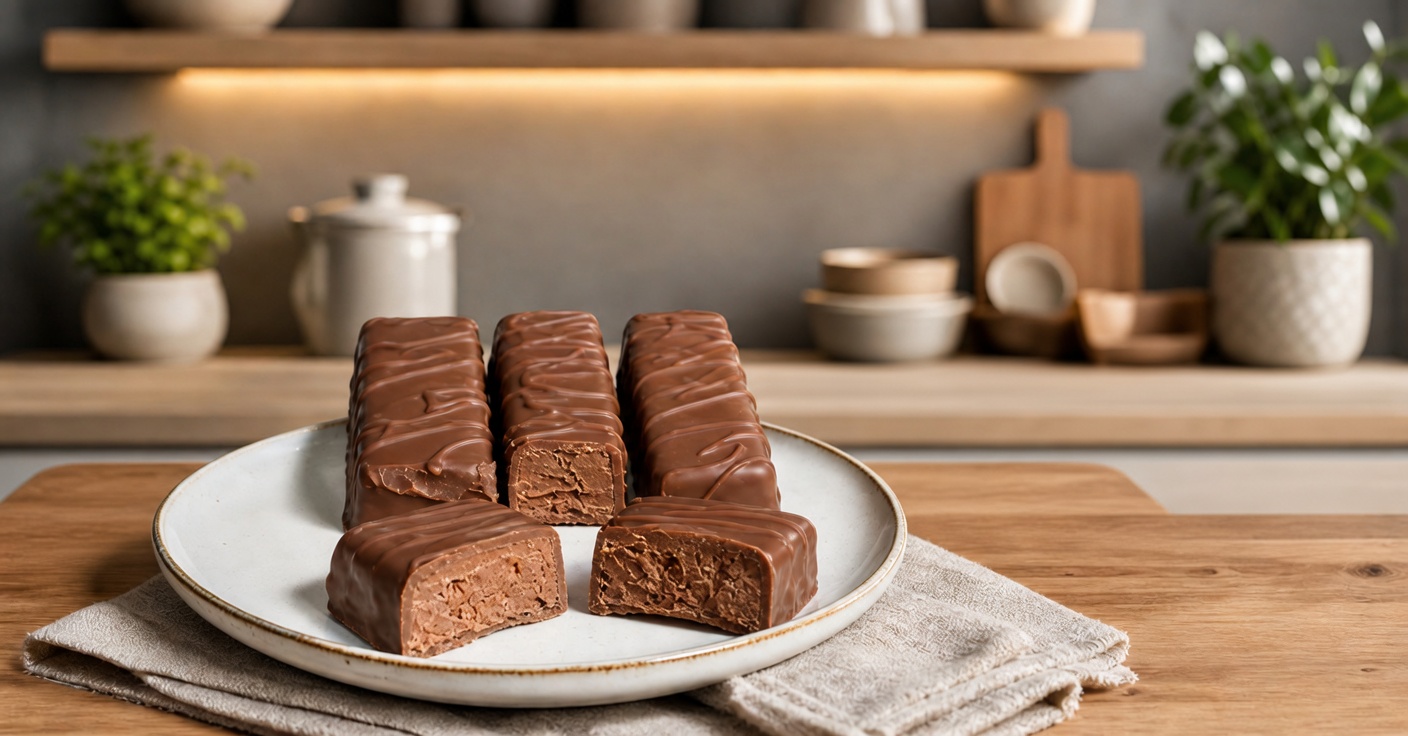
Keto Musketeer Candy
A low carb, no-bake candy bar made with almond butter, coconut oil, heavy cream, and a chocolate coating. Each bar contains just five grams of net carbs, making it a satisfying sweet snack for anyone following a keto or low carb diet.
10
bars10
minutes5
minutes170
kcal15
minutesIngredients
Unsweetened almond butter – 1 cup
Vanilla extract – 1 tsp
Coconut oil – 2 tbsp
Heavy cream – 1/4 cup
Powdered erythritol – 1/4 cup
Keto-friendly chocolate chips – 1/2 cup
Salt – a pinch
Directions
- Place a saucepan over low heat and melt the coconut oil. Add the heavy cream, almond butter, vanilla extract, salt, and erythritol to the pan.
- Whisk everything together until smooth and fully combined. Line a baking sheet with parchment paper and lightly coat the paper with coconut oil.
- Pour the candy mixture onto the prepared sheet and spread it evenly with a spatula to form a smooth layer. Refrigerate the mixture for about an hour, or until it becomes firm to the touch.
- Once firm, cut the mixture into bars or squares using a knife. Place the chocolate chips in a heat-safe bowl and microwave in 30-second intervals, stirring between each, until fully melted.
- Coat each almond butter bar in the melted chocolate. Place the coated bars back on the sheet and let them set for about 30 minutes before serving.
Notes
- Net Carbs: 5g
Nutrition Facts
- Calories: 170kcal
- Carbohydrates: 6g
- Fiber: 3g
- Protein: 6g
