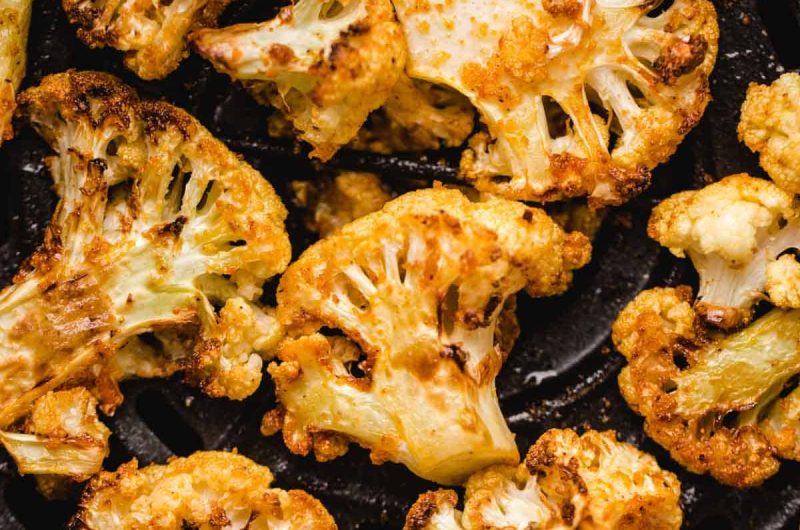

Air fryer cauliflower is one of the easiest side dishes to prepare when you want something healthy, flavorful, and crispy without spending much time in the kitchen. With only a handful of everyday ingredients, fresh cauliflower transforms into golden, slightly crisp florets that pair well with almost any meal. The air fryer creates a beautifully roasted texture while using only a small amount of oil, making this recipe lighter than deep-fried alternatives.
The best part about this recipe is its simplicity. There is no complicated preparation, no special ingredients, and no lengthy cooking process. Everything comes together in less than thirty minutes, making it perfect for busy weekdays as well as family dinners.
Whether served alongside grilled chicken, roasted fish, rice dishes, or enjoyed on its own as a light snack, this crispy cauliflower offers delicious flavor in every bite.
Why This Air Fryer Cauliflower Turns Out So Well
Cooking cauliflower in the air fryer allows the hot air to circulate around every floret, creating lightly crisp edges while keeping the inside tender. Unlike boiling, which can leave cauliflower soft and watery, air frying removes excess moisture and helps develop a roasted flavor.
The seasoning used in this recipe is simple yet balanced. Turmeric adds warm earthy notes and a beautiful golden color. Smoked paprika brings a gentle smoky taste, while salt and black pepper enhance the natural sweetness of the cauliflower. Olive oil helps the spices stick evenly and encourages browning without making the vegetables greasy.
Because the ingredients are minimal, the fresh flavor of the cauliflower remains the star of the dish.
Why I Like Making This Recipe at Home
- This is one of those recipes I prepare whenever I need a quick vegetable side that everyone enjoys. Since it requires very little preparation, it fits easily into everyday cooking. Once the cauliflower is washed and cut, the seasoning takes only a few minutes before everything goes into the air fryer.
- Another reason I enjoy making it is that it works with many different meals. Some days I serve it with grilled meat or baked fish, while other times I add it to rice bowls, salads, or wraps. Leftovers also taste great the next day, making meal preparation much easier.
- Instead of standing over a frying pan, the air fryer does most of the work while I prepare the rest of the meal.
Choosing Fresh Cauliflower
- The quality of cauliflower makes a noticeable difference in the finished recipe. Fresh cauliflower cooks evenly and develops a better texture during roasting.
- Look for a head that feels heavy for its size with tightly packed florets. The surface should be firm without soft spots or discoloration. Fresh green leaves surrounding the cauliflower are also a good sign that it has recently been harvested.
- Avoid cauliflower that has a strong smell or large brown patches, as these indicate it is no longer at its best.
- Smaller heads also cook more evenly because the florets tend to be similar in size.
Washing and Preparing the Cauliflower
- Before seasoning, wash the cauliflower thoroughly under cool running water. Dirt can collect between the florets, so rinse carefully while gently separating them with your hands if needed.
- After washing, dry the cauliflower completely using paper towels or a clean kitchen towel. Removing moisture is an important step because excess water creates steam inside the air fryer instead of allowing the florets to roast.
- Dry cauliflower develops crisp edges much more easily than wet cauliflower.
How I Cut the Cauliflower
- I begin by removing the green outer leaves from the cauliflower. Next, I trim away the thick stem at the bottom so the cauliflower sits flat on the cutting board.
- Using a sharp chef’s knife, I slice the cauliflower in half from top to bottom. The thick core becomes visible once it is cut open. I carefully remove this core by cutting around it at an angle.
- Most of the florets naturally separate after removing the core. Larger florets can be divided into bite-sized pieces using the knife or by gently pulling them apart with my hands.
- Keeping the florets close to the same size helps everything cook evenly.
Making the Most of Every Part
- Many people discard the leaves and stems, but they are completely edible.
- The tender green leaves become wonderfully crispy when roasted and can be cooked alongside the florets. They develop slightly charred edges and a pleasant roasted flavor.
- The thick stems can be chopped into smaller pieces and saved for soups, vegetable stock, stir-fries, or blended into smoothies. Using every part of the cauliflower reduces food waste while adding extra nutrition to future meals.
The Simple Seasoning Blend
- One of the reasons this recipe is so enjoyable is that the seasoning list is short but flavorful.
- Olive oil lightly coats every floret, helping the spices stick evenly while encouraging caramelization during cooking.
- Ground turmeric contributes both color and subtle earthy flavor without overpowering the cauliflower.
- Smoked paprika gives the finished dish a rich roasted aroma and mild smokiness that pairs perfectly with vegetables.
- Salt enhances the overall flavor, while black pepper provides a gentle warmth.
- Together these ingredients create a balanced seasoning that complements rather than masks the natural taste of cauliflower.
Mixing the Seasoning Evenly
- I always use a large mixing bowl when seasoning cauliflower.
- First, the florets are placed into the bowl before the olive oil is drizzled over them. After that, the spices are sprinkled evenly across the surface.
- Instead of stirring immediately, I gently toss the bowl several times so every floret receives a light coating.
- Using clean hands or a large spoon also works well for mixing. The goal is to coat every piece evenly without breaking the delicate florets.
- Uniform seasoning ensures every bite tastes consistent.
Preparing the Air Fryer
- Preheating the air fryer is optional for many models, but allowing it to warm for a few minutes often helps create a crisp exterior more quickly.
- The basket should be clean and dry before adding the cauliflower.
- It is important not to overcrowd the basket. Leaving a little space between the florets allows hot air to circulate freely, producing even browning on all sides.
- If cooking a larger quantity, preparing the cauliflower in two batches often gives better results than filling the basket completely.
Air Frying the Cauliflower
- Once the cauliflower is seasoned, I spread the florets into a single layer inside the basket.
- The cauliflower cooks at 390°F (200°C) for approximately fifteen minutes.
- Every few minutes, I remove the basket and gently shake it or flip the florets with tongs. This movement exposes different sides to the hot circulating air and prevents uneven browning.
- By the end of cooking, the cauliflower becomes tender inside while developing lightly crisp golden edges.
- Some smaller florets may finish cooking earlier than larger ones, so checking throughout the cooking process helps prevent burning.
Watching the Cooking Time Carefully
- Every cauliflower is slightly different.
- Freshness, moisture content, and floret size all affect cooking time. Some heads cook faster, while denser florets may require an additional minute or two.
- Rather than relying only on the timer, I watch the color of the cauliflower. Once the edges become golden brown and the centers are fork tender, the cauliflower is ready to serve.
- Checking regularly prevents overcooking and keeps the texture just right.
The Finished Texture
- Well-cooked air fryer cauliflower has several textures in each bite.
- The outside becomes lightly crisp with browned edges created by the circulating hot air.
- Inside, the cauliflower remains soft and tender without becoming mushy.
- This contrast between crisp and tender is what makes air frying one of the best cooking methods for cauliflower.
- The vegetables remain moist inside while developing enough caramelization to create deep roasted flavor.
Serving Ideas
- Freshly cooked air fryer cauliflower is incredibly versatile.
- It can be served as a side dish alongside roasted chicken, grilled steak, baked salmon, or vegetable curries.
- It also works well inside grain bowls with rice or quinoa, where the roasted flavor complements fresh vegetables and sauces.
- The florets can be added to green salads for extra texture or tucked into wraps and sandwiches.
- Some people even enjoy serving crispy cauliflower as a healthier appetizer with their favorite dipping sauce.
A Squeeze of Fresh Lemon
- Although optional, adding freshly squeezed lemon juice immediately before serving brightens the entire dish.
- The slight acidity balances the warm spices and enhances the roasted flavor without overpowering the cauliflower.
- A small squeeze is usually enough to make every bite taste fresher.
Oil-Free Variation
- This recipe can also be prepared without olive oil.
- The seasoning still adds plenty of flavor, although the cauliflower will not become quite as crispy because oil encourages browning.
- When cooking without oil, shaking the basket regularly becomes even more important to prevent sticking.
- Using air fryer parchment liners can also make cleanup easier while helping reduce sticking during cooking.
- The finished cauliflower remains tender and flavorful even without added oil.
Can Frozen Cauliflower Be Used?
- Frozen cauliflower is convenient, but it requires a little extra preparation.
- Before cooking, the florets should be completely thawed and any excess moisture removed with paper towels.
- Skipping this step often results in steamed cauliflower rather than roasted cauliflower because frozen vegetables release a considerable amount of water during cooking.
- Once thawed and dried thoroughly, frozen cauliflower can be seasoned and cooked using the same method.
- The texture may be slightly softer than fresh cauliflower, but it still develops excellent flavor.
Helpful Tips for Success
- Cut the florets into similar sizes so they cook evenly.
- Dry the cauliflower completely after washing to encourage crisp edges.
- Avoid filling the air fryer basket too full.
- Shake the basket several times during cooking.
- Watch carefully during the final few minutes since cauliflower can brown quickly.
- Serve immediately for the crispiest texture.
- Taste before serving and adjust the seasoning if needed.
Why This Recipe Deserves a Place in Your Kitchen
- Simple recipes often become household favorites because they are easy to prepare and consistently deliver great results. This crispy air fryer cauliflower is a perfect example. It uses everyday pantry ingredients, requires very little effort, and produces a flavorful vegetable dish that works with countless meals.
- The air fryer creates beautifully roasted cauliflower without requiring large amounts of oil, making it an excellent option for lighter everyday cooking. Whether prepared for a weeknight dinner, weekend lunch, or meal prep, this recipe offers a delicious combination of convenience, texture, and flavor.
- Once you make it a few times, it easily becomes one of those dependable recipes that you can prepare from memory whenever you have a fresh head of cauliflower waiting in the kitchen.
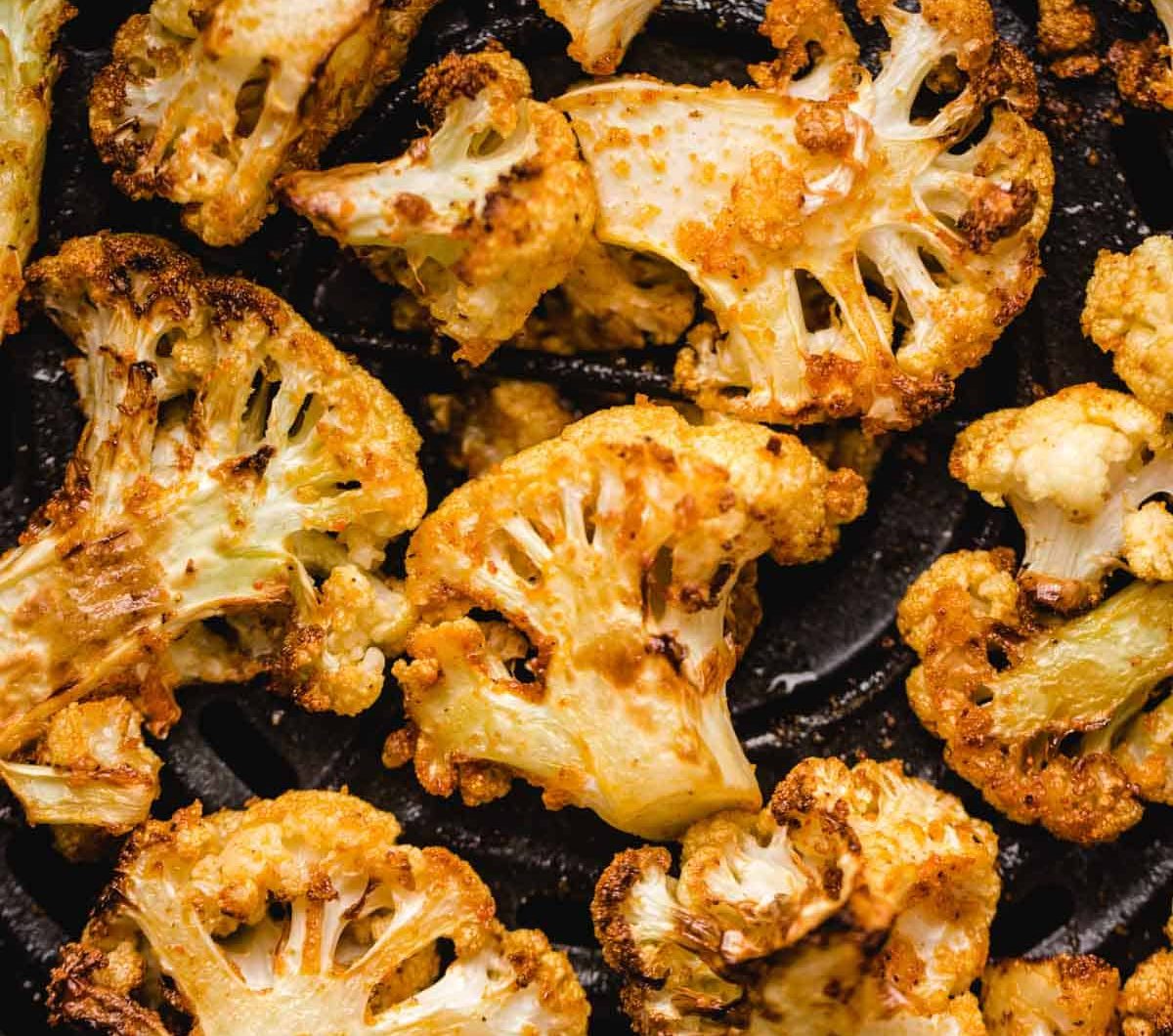
AIR FRYER CRISPY CAULIFLOWER
This crispy Air Fryer Cauliflower is an easy and flavorful side dish made with simple pantry ingredients. Fresh cauliflower florets are lightly coated with olive oil and seasoned with turmeric, smoked paprika, salt, and black pepper before being air fried until tender on the inside and perfectly crisp around the edges. It’s a quick recipe that pairs well with grilled meats, rice dishes, salads, wraps, or can even be enjoyed as a healthy snack.
4
servings30
minutes40
minutes300
kcalIngredients
1 small cauliflower head, cut into florets
1 tablespoon olive oil¼ teaspoon ground turmeric
½ teaspoon smoked paprika½ teaspoon salt
¼ teaspoon ground black pepper
Directions
- Wash the cauliflower thoroughly under cold running water and pat it completely dry using a clean kitchen towel or paper towels.
- Remove the outer leaves and trim away the thick stem. Cut the cauliflower into evenly sized bite-sized florets
- Place the florets in a large mixing bowl.
Drizzle the olive oil over the cauliflower.
Add the ground turmeric, smoked paprika, salt, and black pepper - Toss everything together until each floret is evenly coated with the oil and seasonings.
Preheat the air fryer if your model recommends preheating. - Arrange the seasoned cauliflower in a single layer inside the air fryer basket. Avoid overcrowding so the hot air can circulate evenly.
Air fry at 390°F (200°C) for about 15 minutes.
Notes
- Cooking time may vary depending on the size and freshness of the cauliflower florets.
- Check the cauliflower every few minutes to prevent over-browning.
Do not overcrowd the air fryer basket. Cook in batches if necessary - Fresh cauliflower produces the best texture, but thawed and thoroughly dried frozen cauliflower can also be used.
For extra freshness, squeeze a little lemon juice over the cauliflower before serving - If making the recipe without oil, expect a slightly softer texture with less browning.
Feel free to use avocado oil or corn oil instead of olive oil
