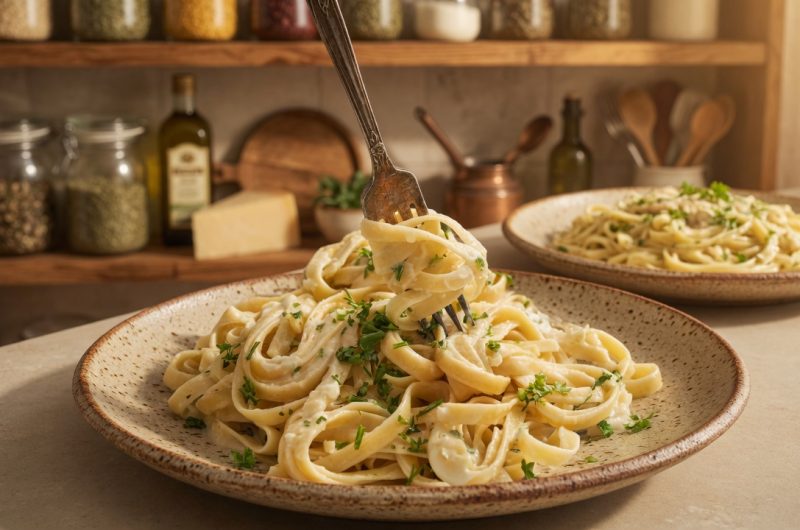

Making a rich and creamy pasta dish at home does not have to be complicated or time-consuming. This Boursin pasta recipe uses just five main ingredients to create a restaurant-quality meal in about twenty minutes.
The star ingredient is Boursin cheese, a soft French cheese flavored with garlic and herbs that melts into the cream to create a smooth, flavorful sauce.
Combined with butter, garlic, heavy cream, and your choice of pasta, this dish comes together quickly while delivering comfort and flavor. Whether you need a simple weeknight dinner or an impressive side dish for guests, this recipe fits the bill perfectly.
What Makes Boursin Cheese Special
Boursin is a creamy, spreadable cheese originally from France that comes in several flavors. The garlic and fine herbs variety works best for this pasta recipe because it already contains the seasonings you would normally add separately. The cheese is soft enough to melt quickly into hot cream, creating a velvety sauce without any lumps. Unlike harder cheeses that need to be grated.
Boursin blends smoothly without clumping or separating. The garlic flavor in the cheese is mild and pleasant, while the herbs add depth without being overpowering. Using Boursin saves time because you get cheese, garlic flavor, and herb seasoning all in one ingredient.
Choosing Your Pasta Shape
This recipe traditionally uses fettuccine, a flat ribbon pasta that holds cream sauce well. The wide, flat surface of fettuccine allows the Boursin sauce to cling to every strand, giving you flavor in each bite.
However, you can substitute with other pasta shapes based on what you have available or prefer. Linguine, pappardelle, or tagliatelle work similarly to fettuccine because they are also flat and wide.
Shorter pasta shapes like penne, rigatoni, or farfalle will also work, though they will give you a different eating experience. If you need a gluten-free option, use your preferred gluten-free pasta and cook it according to package directions.
Starting With Properly Cooked Pasta
Begin by cooking your pasta according to the package instructions in a large pot of salted boiling water. The salt seasons the pasta itself, which is important because unsalted pasta can taste bland even in a flavorful sauce. Cook the pasta until it reaches the texture you prefer, whether that is al dente with a slight bite or softer. Before draining the cooked pasta, scoop out and save about one cup of the starchy pasta cooking water.
This starchy water can be used later to adjust the sauce consistency if needed. Drain the pasta in a colander but do not rinse it, as the starch on the surface helps the sauce stick better.
Building Flavor With Butter and Garlic
While the pasta cooks, you can start making the sauce so everything finishes at the same time. Heat a large saucepan over medium heat and add the butter, letting it melt completely. Once the butter is melted and beginning to foam slightly, add the minced garlic. Fresh garlic gives the best flavor, so mince two cloves finely before adding them to the butter. Cook the garlic for one to two minutes, stirring frequently so it does not burn. The garlic should become fragrant and soften slightly but should not turn brown, as browned garlic can taste bitter. This step builds the flavor foundation for your sauce.
Creating the Cream Base
After the garlic becomes fragrant, pour in the heavy cream and stir to combine with the butter and garlic. Heavy cream is essential for this recipe because it has enough fat content to create a thick, stable sauce that will not separate or curdle. Lower-fat creams like half-and-half can split when heated, so stick with heavy cream for best results. Bring the cream mixture to a gentle simmer over medium heat, then reduce the heat slightly to maintain a steady but not vigorous simmer. Let the cream cook for five to seven minutes, stirring occasionally. As it simmers, the cream will reduce and thicken noticeably. You will know it is ready when you can run a spoon through the sauce and see a clear trail that holds for a moment before filling back in.
Adding the Boursin Cheese
Once the cream has thickened properly, reduce the heat to low to prevent the sauce from getting too hot. Add the entire package of Boursin cheese to the saucepan. The cheese will start to melt immediately in the hot cream. Stir continuously with a spoon or whisk, breaking up any larger pieces of cheese as they soften. Keep stirring until the cheese has completely melted and the sauce looks smooth and uniform with no visible chunks. The Boursin will incorporate quickly because of its soft, creamy texture. As the cheese melts, the sauce will become even thicker and take on a pale color from the herbs mixed into the cheese.
Seasoning the Sauce
After the Boursin has fully melted into the cream, taste the sauce to check the seasoning. The Boursin cheese already contains salt and herbs, so you may not need to add much additional seasoning. Add small amounts of kosher salt and freshly ground black pepper to taste, stirring and tasting after each addition. Start conservatively because you can always add more but cannot remove seasoning once added. Fresh black pepper adds a slight heat and complexity that complements the creamy richness. Once the sauce tastes balanced and flavorful to you, it is ready to be combined with the pasta.
Combining Pasta and Sauce
Add the drained pasta directly to the saucepan with the Boursin sauce. Use tongs or a large spoon to toss the pasta in the sauce, making sure every piece gets coated. Work gently but thoroughly to distribute the sauce evenly without breaking the pasta strands. If the sauce seems too thick and is not coating the pasta smoothly, add a tablespoon or two of the reserved pasta water. The starchy pasta water will thin the sauce slightly while helping it cling to the pasta better. Add the water gradually, stirring after each addition, until the sauce reaches a consistency that coats the pasta nicely without being gloppy or too thin.
Serving and Garnishing
Transfer the sauced pasta to serving bowls or a large serving platter. For a simple but attractive garnish, chop some fresh Italian parsley and sprinkle it over the top. The bright green parsley adds a pop of color and a fresh flavor that cuts through the richness of the cream sauce. Parsley is optional but recommended because it makes the dish look more finished and adds a light, herbal note. Serve the pasta immediately while it is hot and the sauce is still creamy. As the pasta sits, it will continue to absorb the sauce, so it tastes best when freshly made.
Making It a Complete Meal
While this Boursin pasta works well as a side dish, you can easily turn it into a complete main course by adding protein or vegetables. Cooked chicken breast cut into strips or cubes makes the dish more filling and adds lean protein. Shrimp cooked separately and tossed in at the end adds seafood flavor without much extra effort. For a vegetarian protein boost, add chickpeas or white beans along with the pasta. Vegetables like spinach, cherry tomatoes, mushrooms, or broccoli can be stirred in to add nutrition and color. Cook harder vegetables like broccoli separately before adding, but tender greens like spinach can be stirred directly into the hot pasta to wilt.
Adjusting for Different Dietary Needs
This recipe can be modified to suit various dietary requirements without losing its appeal. For a gluten-free version, simply use your favorite gluten-free pasta instead of regular fettuccine. Most gluten-free pasta varieties cook similarly to wheat pasta, though cooking times may vary slightly. Check the package directions for your specific brand and type. For a lighter version with fewer calories, replace the heavy cream with chicken broth or vegetable broth. The sauce will be thinner and less rich, but still flavorful from the Boursin cheese and garlic. You can also use a combination of half cream and half broth to find a middle ground between richness and lightness.
Understanding Sauce Consistency
The thickness of your sauce depends on how much you reduce the cream and how much pasta water you add later. A properly reduced cream sauce should coat the back of a spoon and leave a trail when you run your finger through it. If you do not reduce the cream enough, the sauce will be thin and runny, sliding off the pasta instead of clinging to it. If you reduce it too much, the sauce becomes very thick and can seem gluey when mixed with pasta. Finding the right consistency takes practice, but watching for the spoon trail is a reliable indicator. Remember that the sauce will thicken slightly as it cools, so aim for a consistency that seems just slightly thinner than you want in the final dish.
Storage and Reheating
Leftover Boursin pasta can be stored in an airtight container in the refrigerator for up to three days. The sauce will thicken considerably as it chills because the fats in the cream and cheese solidify when cold. When reheating, you will need to add liquid to bring the sauce back to a creamy consistency. Place the pasta in a saucepan over low heat and add a few tablespoons of milk, cream, or broth. Stir frequently as it warms, adding more liquid as needed until the sauce becomes smooth and creamy again. You can also reheat individual portions in the microwave, adding a splash of liquid and stirring every thirty seconds until heated through.
Why the Timing Works
This recipe is designed so the sauce and pasta finish at about the same time, making it efficient for weeknight cooking. While the pasta boils, you make the sauce, and both are ready to combine within twenty minutes total. This simultaneous cooking saves time and means you are not standing around waiting for one component while the other gets cold. The sauce comes together quickly because you are not making a traditional roux or waiting for cheese to melt slowly. The Boursin melts almost instantly in hot cream, and the only real wait time is reducing the cream to the right thickness.
Common Mistakes to Avoid
Several common errors can affect how this recipe turns out. Do not skip reducing the cream properly, as thin sauce will not coat the pasta well and may pool in the bottom of the bowl. Avoid cooking the garlic over heat that is too high, which can cause it to burn and taste bitter before the cream is even added. Do not use low-fat or reduced-fat cream, as these products can separate or curdle when simmered. Avoid adding the Boursin cheese while the heat is too high, which can cause the fats to separate from the cheese. Do not forget to save pasta water before draining, as plain tap water will not work the same way for adjusting sauce consistency.
Variations on the Basic Recipe
Once you master the basic Boursin pasta recipe, you can create variations to keep it interesting. Try different Boursin flavors like pepper, shallot and chive, or cranberry and pepper for different taste profiles. Add a squeeze of lemon juice at the end for brightness that cuts through the richness. Stir in sun-dried tomatoes for a sweet and tangy element. Top with crispy bacon or pancetta for smoky, salty crunch. Add red pepper flakes while cooking the garlic for a spicy kick. Toast pine nuts or slivered almonds and sprinkle them on top for texture. Each small change can give you a completely different dish while keeping the simple preparation method.
Choosing Quality Ingredients
Since this recipe has so few ingredients, the quality of each one makes a noticeable difference. Use good-quality butter with a high fat content for better flavor and texture. European-style butters like Kerrygold have a richer taste than standard American butter. Choose fresh garlic cloves rather than pre-minced garlic from a jar, which has a different and often harsh flavor. Buy heavy cream from a brand you trust, preferably organic if available. The Boursin cheese is the star, so make sure it is fresh with a date well before expiration. Fresh parsley from the produce section tastes much better than dried parsley and takes only a minute to chop.
Why This Recipe Works for Beginners
This Boursin pasta recipe is particularly good for people who are new to cooking or nervous about making cream sauces. The ingredient list is short and easy to remember. The cooking techniques are straightforward with no complicated steps or special equipment needed. The timing is forgiving because you can hold the finished sauce on low heat if the pasta needs a few more minutes. Boursin cheese makes it almost impossible to mess up the sauce because it melts so reliably and smoothly. Even if you have never made a cream sauce before, following these simple steps will give you excellent results that taste like you spent much more time and effort.
Serving Size Considerations
This recipe serves two to three people as a main dish or four people as a side dish. The portions are generous but not excessive, leaving room for salad or bread alongside. If you are serving it as a side dish with a protein main course, four portions is appropriate. When serving as a vegetarian main dish, the recipe comfortably feeds two hungry adults or three people with smaller appetites. If you need to feed more people, the recipe doubles easily. Just use a larger pot for the sauce and make sure your saucepan is big enough to toss all the pasta with the sauce at the end.
Pairing Suggestions
This rich, creamy pasta pairs well with foods that provide contrast in texture or flavor. A crisp green salad with a tangy vinaigrette cuts through the richness and adds freshness. Garlic bread or crusty baguette is perfect for soaking up any extra sauce. Roasted vegetables like asparagus, green beans, or Brussels sprouts add a healthy element and different texture. A light white wine like Pinot Grigio or Sauvignon Blanc complements the garlic and herbs without overwhelming the dish. For a non-alcoholic option, sparkling water with lemon provides refreshment between bites of the rich pasta.
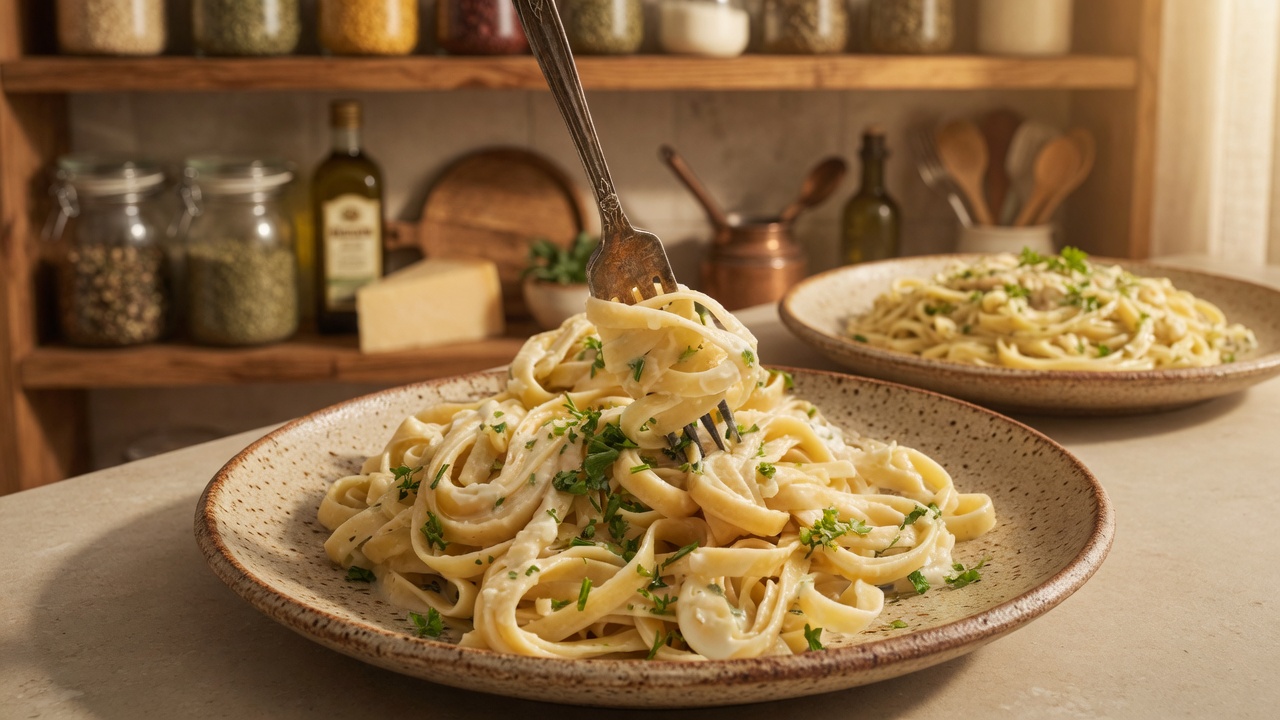
Creamy Boursin Cheese Pasta
A rich, creamy pasta dish made with Boursin cheese, heavy cream, garlic, and butter. Ready in 20 minutes with just 5 ingredients. Perfect as a vegetarian main or side dish.
4
servings15
minutes5
minutes541
kcal20
minutesIngredients
8 oz fettuccine pasta
2 tablespoons butter
2 cloves garlic, minced
3/4 cup heavy cream
4 oz Boursin Garlic & Fine Herbs cheese
Kosher salt and fresh black pepper to taste
Fresh Italian parsley for garnish, optional
Directions
- Cook the fettuccine pasta according to package directions in salted boiling water. Before draining, reserve 1 cup of pasta water. Drain the pasta and set aside.
- Melt butter in a large saucepan over medium heat. Add minced garlic and cook for 1-2 minutes until fragrant but not brown, stirring frequently.
- Pour in heavy cream and bring to a simmer. Cook for 5-7 minutes, stirring occasionally, until the sauce thickens enough that a spoon leaves a trail when run through it.
- Reduce heat to low and add the Boursin cheese. Stir continuously until the cheese melts completely and the sauce becomes smooth. Taste and season with kosher salt and fresh black pepper as needed.
- Add the drained pasta to the sauce and toss well to coat. If the sauce is too thick, add reserved pasta water 1-2 tablespoons at a time until desired consistency. Garnish with chopped fresh parsley before serving.
Notes
- Gluten-Free Option
Use your favorite gluten-free pasta to make this recipe suitable for gluten-free diets. Cook according to package directions as gluten-free pasta may have different cooking times. - Pasta Shape Substitutions
Fettuccine works best, but you can use linguine, pappardelle, penne, rigatoni, or any pasta shape you prefer. The sauce will coat all shapes well. - Lighter Version
Replace heavy cream with chicken broth or vegetable broth for fewer calories. The sauce will be thinner but still flavorful. You can also use half cream and half broth. - Making It a Full Meal
Add cooked chicken, shrimp, or vegetables like spinach, cherry tomatoes, or broccoli to turn this side dish into a complete main course. - Adjusting Sauce Thickness
If the sauce becomes too thick after adding the pasta, thin it with reserved pasta water added 1-2 tablespoons at a time. The starchy water helps the sauce cling to pasta better than plain water.
Nutrition Facts
- Calories: 541kcal
- Fat: 36g
- Carbohydrates: 43g
- Fiber: 2g
- Sugar: 2g
- Protein: 11g
