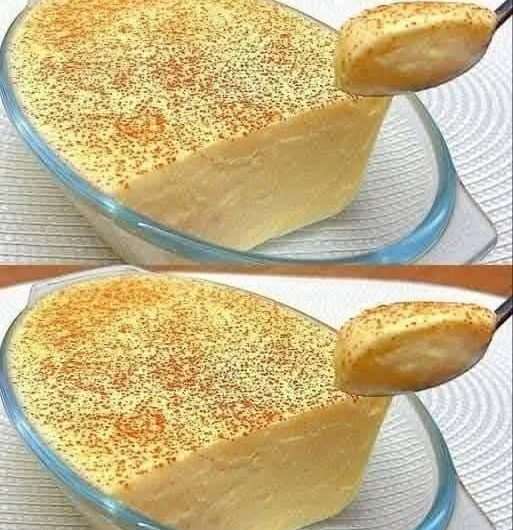

When I want a homemade cake that feels special without requiring layers of frosting or a long list of steps, this lemon ricotta cake is a great choice. It is thick, soft, moist, and lightly flavored with fresh lemon. The ricotta gives the inside a creamy, tender texture, while the butter and sugar help create a lighter crumb.
I like this kind of cake because it works at different times of the day. It is perfectly comfortable beside a cup of tea or coffee, but it can also be served as a simple dessert after brunch. A little powdered sugar over the top is all it really needs.
The finished cake is not meant to be a tall, dramatic layer cake. Instead, it has a substantial texture and a soft center. The outside develops a lightly golden surface while the inside stays moist from the ricotta.
Why Ricotta Works So Well Here
- The most important ingredient in this cake is whole milk ricotta cheese. It adds moisture and richness to the batter without making the cake heavy in the unpleasant sense. Once baked, the ricotta helps give the cake its characteristic soft and creamy interior.
- I use whole milk ricotta rather than a lighter variety because the fat contributes to both the texture and flavor. Since there is no frosting or filling to add moisture later, the ricotta is especially important to the finished cake.
- The ricotta also makes this cake different from a standard lemon cake. Instead of having a fluffy, airy crumb like some sponge cakes, this one has more body. Each slice feels substantial but remains tender.
Getting the Lemon Flavor Into the Cake
- Fresh lemon is used in two ways here: the zest goes into the sugar mixture, and the juice is added to the batter.
- The zest is particularly useful because it contains concentrated lemon oils. Rather than simply stirring the zest into the finished batter, I rub it together with the granulated sugar before adding the butter. This releases the fragrant oils from the zest and distributes that lemon flavor throughout the sugar.
- I make sure to zest only the yellow outer layer of the lemon. The white part underneath can be bitter, so I avoid going too deeply into the peel.
- Fresh lemon juice is then added with the ricotta. Together, the zest and juice give the cake a clear lemon flavor without turning it into an overly sharp or sour dessert.
Preparing the Pan
- This cake is thick, so a 9-inch springform pan is the right choice. I grease the pan first and then line it with parchment paper.
- Lining the bottom makes removing the cooled cake much easier. The springform design also allows the sides of the pan to be released without having to turn the cake upside down or struggle to lift it out.
- Before beginning the batter, I like to have the prepared pan ready. Once the batter is mixed, it can go directly into the pan and into the oven.
Bring the Butter and Eggs to the Right Temperature
- The butter should be softened before mixing. Soft butter should give slightly when pressed with a finger, but it should not be melted or oily.
- This matters because the first stage of the recipe relies on beating the butter and sugar together. The goal is to incorporate air into the mixture. If the butter is too firm, it will not blend properly with the sugar. If it has melted, it will not hold air in the same way.
- The eggs are best at room temperature as well. Using ingredients at a similar temperature helps the batter come together more smoothly.
- I also measure the flour carefully. Too much flour can make a cake unnecessarily dense and dry, especially in a recipe where the desired texture is moist and tender.
Mixing the Lemon Sugar and Butter
- I start with the lemon zest and granulated sugar in a large mixing bowl. I massage them together with my fingers until the sugar becomes fragrant and strongly scented with lemon.
- Next, I add the softened butter.
- Using a hand mixer or stand mixer, I beat the butter, lemon sugar, and zest together for about 2 to 3 minutes. I am looking for a noticeably lighter and fluffier mixture rather than simply mixing until everything is combined.
- This is an important step in the recipe. The creaming process helps create a lighter texture in the finished cake, so I do not rush through it.
- The mixture should look soft and airy by the time it is ready for the ricotta.
Adding the Ricotta and Lemon Juice
- Once the butter and sugar mixture is fluffy, I add the whole milk ricotta and 2 tablespoons of lemon juice.
- I blend everything together until the ingredients are incorporated. The mixture may not look completely smooth because of the ricotta. That is normal, so there is no need to keep beating it in an attempt to remove every small lump.
- At this stage, the batter begins to develop the creamy consistency that makes this cake different from an ordinary butter cake.
Adding the Eggs and Vanilla
- The eggs go in next, followed by the vanilla extract.
- I mix until everything is combined. Again, the mixture may look slightly lumpy because of the ricotta. That appearance is not a problem and will not prevent the cake from baking properly.
- I avoid excessive mixing at this point. Once the ingredients are incorporated, I move on to the dry ingredients.
- Keeping the mixing controlled helps prevent the final cake from becoming unnecessarily dense.
Combining the Dry Ingredients
- In a separate bowl, I stir together the all-purpose flour, baking powder, and fine sea salt.
- It is worth keeping these ingredients separate from the wet mixture initially. This distributes the baking powder and salt through the flour before they are introduced into the batter.
- I make sure I am using baking powder rather than baking soda, since the two ingredients are not interchangeable in this recipe.
- When measuring the flour, I avoid packing it tightly into the measuring cup. An overly generous amount of flour can change the texture of the cake.
Bringing the Batter Together
- I add the dry mixture to the wet mixture and use a large rubber spatula to combine everything.
- This is where I stop using the electric mixer and switch to folding and stirring by hand. I mix just until there are no obvious streaks of dry flour.
- The batter is quite thick. It may not have the pourable consistency of some cake batters, so I use the spatula to transfer it into the prepared springform pan.
- Once the batter is in the pan, I spread it evenly across the surface. An offset spatula works particularly well for this, although a regular rubber spatula will also do the job.
Baking the Cake
- I place the filled pan into an oven that has been preheated to 350°F.
- The cake needs about 35 to 40 minutes in the oven. Since ovens vary, I begin checking toward the end of that range.
- The easiest way to tell when it is finished is to insert a toothpick into the center. It should come out clean or with a few moist crumbs attached.
- I do not want to wait until the cake looks extremely dry before taking it out. The ricotta is there to give the cake a moist interior, and a few moist crumbs on the tester are fine.
- The surface should be baked and lightly golden while the center is set.
Cooling Before Serving
- Once the cake is baked, I place the pan on a wire rack and let it cool.
- I wait until the pan is cool enough to handle before releasing the springform sides. After removing the pan, I continue cooling the cake before slicing.
- This cooling time gives the cake a chance to settle and makes it easier to cut clean slices.
- When I am ready to serve it, I dust the top with powdered sugar. There is no need for frosting, glaze, or another topping unless I specifically want to change the presentation.
- I prefer thick slices because they show off the soft interior and make the cake feel substantial.
How I Like to Serve It
- This lemon ricotta cake works especially well when served simply.
- For breakfast, I can pair a slice with fresh fruit. At brunch, it fits naturally alongside tea or coffee. It also makes an easy afternoon snack because it does not require frosting that can become messy when the cake is packed or transported.
- The powdered sugar adds just enough sweetness and gives the finished cake a clean appearance.
- Because the cake itself already contains butter, ricotta, lemon, and vanilla, I find that keeping the topping simple lets those flavors stand out.
Keeping the Cake Fresh
- After the cake has cooled completely, I cover it with plastic wrap or place it in an airtight container.
- At room temperature, it can be kept for up to 3 days. If I need to keep it longer, I refrigerate it for up to 1 week.
- For longer storage, the baked and cooled cake can also be frozen. I wrap it well in plastic wrap and keep it in the freezer for up to 1 month.
- When freezing the cake, I make sure it is thoroughly cooled before wrapping it. To thaw it, I move it to the refrigerator overnight.
Small Details That Make a Difference
- There are a few parts of this recipe that are worth paying attention to.
- First, the butter should be softened rather than melted. When pressed lightly, it should hold a fingerprint while still feeling solid.
- Second, the flour should be measured accurately. If using measuring cups, avoid pressing the flour down. Measuring by weight is even more reliable when a scale is available.
- Third, room-temperature eggs help the batter come together more evenly.
- Finally, once the flour is added, I do not overwork the batter. I mix only until everything is incorporated.
- These details are simple, but they help maintain the soft, moist texture that makes this cake worth making.
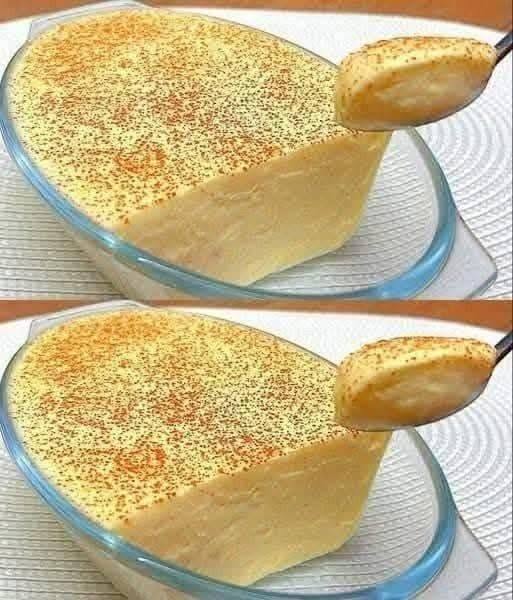
Healthy Lemon Ricotta Cake
A thick, moist lemon cake made with whole milk ricotta, softened butter, fresh lemon, and vanilla. The cake has a tender, rich interior with a light lemon flavor and needs nothing more than a dusting of powdered sugar before serving.
4
servings15
minutes35
minutes390
kcalIngredients
1 large lemon, zested and juiced
1 ¼ cups (250g) granulated sugar
¾ cup (170g) unsalted butter, softened
1 ½ cups (365g) whole milk ricotta cheese
3 large eggs
1 teaspoon vanilla extract
1 ½ cups (190g) all-purpose flour
2 teaspoon baking powder
¾ teaspoon fine sea salt
Powdered sugar, for dusting
Directions
- Heat the oven to 350°F. Grease a 9-inch springform pan and line it with parchment paper.
- Put the lemon zest and granulated sugar into a large mixing bowl. Rub them together until the sugar becomes very fragrant.
- Add the softened butter. Using a hand or stand mixer, beat the mixture for 2 to 3 minutes, until light and fluffy.
- Add the ricotta cheese and 2 tablespoons lemon juice. Mix until combined.
- Add the eggs and vanilla extract. Mix until incorporated. The mixture may still look slightly lumpy because of the ricotta.
- In another bowl, stir together the all-purpose flour, baking powder, and fine sea salt.
- Add the dry mixture to the wet mixture. Use a large rubber spatula to stir until the batter is combined. Avoid overmixing.
- Transfer the thick batter to the prepared springform pan. Spread the top evenly with a spatula.
- Bake for 35 to 40 minutes, or until a toothpick inserted into the center comes out clean or with a few moist crumbs.
- Place the cake on a wire rack and let it cool until the pan is comfortable to handle. Remove the springform pan and allow the cake to cool further
- Dust the cooled cake with powdered sugar and cut into thick slices.
Notes
- Use whole milk ricotta cheese for the moistest, creamiest texture.
- The butter should be softened but not melted when you begin mixing.
- For accurate results, measure the flour carefully and avoid packing it into the measuring cup.
- Room-temperature eggs help the batter mix more evenly.
- The batter may look slightly curdled or lumpy after the ricotta and eggs are added; this is normal.
- Once the flour is added, mix only until combined to help maintain a tender texture.
- Store the cooled cake covered at room temperature for up to 3 days.
- Refrigerate for up to 1 week.
- To freeze, wrap the completely cooled cake well in plastic wrap and freeze for up to 1 month. Thaw overnight in the refrigerator.
Nutrition Facts
- Calories: 390kcal
- Fat: 12g
- Cholesterol: 100mg
- Sodium: 270mg
- Carbohydrates: 45g
- Fiber: 26g
- Sugar: -6g
- Protein: 8g
