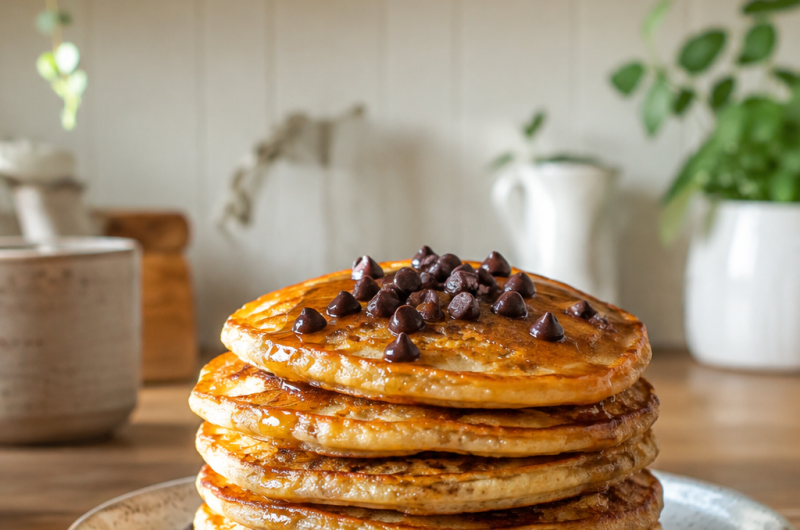

These 4-Ingredient Low-Carb Pancakes are a simple way to enjoy a warm, satisfying breakfast without using traditional flour. Made with creamy nut butter, eggs, baking powder, and either flax meal or psyllium powder, the recipe creates tender pancakes with a rich flavor and soft texture. They are gluten-free and grain-free, and they can also be prepared dairy-free by using cooking oil instead of butter. With only a few ingredients and straightforward preparation, this flourless pancake recipe is ideal for busy mornings, relaxed weekends, brunch, or breakfast for dinner.
Why These Low-Carb Pancakes Are Different
Traditional pancakes usually depend on wheat flour for their structure, but this recipe takes a completely different approach. Creamy nut butter becomes the foundation of the batter, while eggs provide structure and help hold everything together. Baking powder adds lift, and flax meal or psyllium powder helps give the mixture a suitable consistency. The result is a pancake that feels substantial without requiring flour, oats, or a long list of ingredients.
These pancakes are especially useful when you want an easy low-carb breakfast that can be prepared quickly. There is no complicated dry mixture to prepare and no need for multiple bowls. Everything can be combined in one large bowl and blended until smooth. Once the batter is ready, it goes directly onto a hot non-stick pan, making the entire cooking process simple and convenient.
The Four Main Ingredients
The first ingredient is ⅓ cup of creamy nut butter, with no-stir nut butter working particularly well. Smooth nut butter blends easily with the eggs and produces a more consistent batter. Because it is one of the main ingredients, the flavor of the nut butter will be noticeable in the finished pancakes, so using a creamy variety you enjoy is important.
The recipe also uses two large eggs or three small eggs. Eggs are essential because they help bind the ingredients and create structure as the pancakes cook. Two teaspoons of baking powder provide the leavening needed to help the pancakes become lighter. Finally, ½ tablespoon of flax meal or 1 teaspoon of psyllium powder helps support the consistency of the flourless batter.
Place all the ingredients into a large bowl and blend for about one minute. An immersion blender fitted with a whisk attachment is an excellent option, although a regular hand blender or high-speed blender can also be used. Blend until the nut butter has completely combined with the eggs and the mixture looks smooth.
How to Make the Batter
Blending is an important part of this recipe because incorporating air into the batter helps create a lighter texture. Flourless pancake batter can become heavy if it is simply stirred together, so thorough blending is worthwhile. The finished batter should be cohesive and smooth, without visible streaks of nut butter or egg.
Preparing the Pan
Preheat a non-stick griddle or pan over medium heat. If you are using a non-stick griddle, the original recipe notes that there is no need to grease the surface before adding the batter. Once the pan is heated, add ½ tablespoon of butter or spray it with cooking oil.
The pan should be hot enough for the batter to begin cooking immediately, but the butter or oil should not be smoking. Medium heat is a useful starting point because it allows the pancakes to brown gradually while giving the center enough time to cook. If the outside becomes dark too quickly, lower the heat slightly.
Cooking the Pancakes
Pour approximately ¼ to ⅓ cup of batter onto the heated pan. Let the pancake cook without moving it around until the edges begin to brown and bubbles appear in the middle. These visual signs indicate that the first side has developed enough structure to be flipped.
Carefully slide a spatula underneath the pancake and turn it over. Continue cooking until the second side is browned and the pancake is cooked through. The second side may cook more quickly than the first, so keep an eye on it. Repeat the process until all the batter has been used.
The recipe makes approximately four to five medium-sized pancakes or seven to nine silver dollar-sized pancakes. The final number will depend on the amount of batter used for each pancake. For evenly sized pancakes, try to use the same measuring cup or spoon for each portion.
How to Keep Flourless Pancakes Fluffy
The key to a lighter texture is incorporating air into the batter. This is why blending is more important here than simply stirring the ingredients together. An immersion blender with a whisk attachment is particularly useful because it can thoroughly combine the nut butter and eggs while helping aerate the mixture.
A high-speed blender can also be used. Blend until the batter is smooth and evenly mixed. Avoid adding unnecessary ingredients that could make the mixture heavy. Once the batter has reached a smooth consistency, move directly to cooking so that the prepared mixture can be used while it still contains the incorporated air.
Optional Chia Seeds and Toppings
For an optional variation, 2–3 teaspoons of chia seeds can be added to the batter to increase plant protein. Chia seeds also add a little texture to the pancakes. Since they absorb moisture, avoid adding more than the suggested quantity unless you are intentionally changing the consistency.
The pancakes can be served with dark chocolate chips, fruit, nuts, or a combination of toppings. Fresh fruit adds a bright contrast to the rich nut butter, while nuts provide crunch. Dark chocolate chips can make the pancakes taste more indulgent and dessert-like while keeping the preparation simple.
Making Thinner Pancakes
If thick and fluffy pancakes are not your preference, the recipe can easily be adjusted. Stir 1–2 tablespoons of milk into the prepared batter to create a thinner consistency. Add the milk gradually and check the batter as you go because different nut butters can have slightly different consistencies.
Once the batter is thinner, pour it onto the pan in the same way and allow it to cook until the edges brown and bubbles appear. Thinner pancakes may cook slightly differently from thicker ones, so use their appearance as your guide rather than relying only on a fixed cooking time.
Dairy-Free and Gluten-Free Options
The pancake batter itself contains no dairy ingredients. However, the cooking instructions include butter as one option for the pan. If you want to keep the pancakes dairy-free, simply use cooking oil instead. Make sure any optional toppings, particularly chocolate chips, are also suitable for your dietary requirements.
Because there is no flour or grain in the listed ingredients, these pancakes are naturally grain-free. They can also be suitable for a gluten-free breakfast when the individual packaged ingredients are verified as gluten-free and appropriate precautions are taken to prevent cross-contact.
Storage and Freezing
These pancakes can be prepared ahead and frozen for convenient breakfasts. Place parchment paper between the cooked pancakes before freezing so they do not stick together. This makes it easier to remove individual pancakes whenever you want a quick serving.
The recipe states that the pancakes can be frozen for up to three months. Store them in a suitable freezer-safe container or bag after separating them with parchment. Preparing a batch in advance can save time on busy mornings and gives you a ready-made breakfast option without having to mix a new batter every day.
Notes for Better Results
For the best flourless pancakes, pay close attention to the batter consistency and cooking temperature. Blend the ingredients thoroughly until the mixture is smooth and air has been incorporated. A properly blended batter is one of the most important factors in achieving a lighter result.
Use medium heat and allow the pan to become properly heated before cooking. Watch for browned edges and bubbles in the center before flipping. Avoid turning the pancakes repeatedly, as this can make them harder to handle. If the pancakes brown too quickly, reduce the heat so the center has enough time to cook.
If you prefer thinner pancakes, add 1–2 tablespoons of milk to the batter. For extra texture and plant protein, use the optional chia seeds. When storing leftovers, separate each pancake with parchment paper before freezing. These small techniques can make the cooking process easier and help produce more consistent results.
Frequently Asked Questions
Can I make pancakes without flour?
Yes. These pancakes are specifically designed without traditional flour. Creamy nut butter, eggs, baking powder, and flax meal or psyllium powder create the batter and provide the structure needed for cooking.
Can I use a blender instead of an immersion blender?
Yes. A high-speed blender can be used as an alternative. The important goal is to blend the ingredients thoroughly and incorporate air into the batter. This helps create a lighter and fluffier texture.
How many pancakes does the recipe make?
You can expect approximately four to five medium-sized pancakes or seven to nine silver dollar-sized pancakes. The exact yield depends on how much batter is used for each pancake.
How can I make the pancakes thinner?
For thinner pancakes, stir 1–2 tablespoons of milk into the batter. This loosens the mixture and allows it to spread more easily across the pan.
Can these pancakes be frozen?
Yes. Place parchment paper between each pancake to prevent them from sticking together. The pancakes can be frozen for up to three months.
A Simple Breakfast Worth Repeating
These 4-Ingredient Low-Carb Pancakes are an easy alternative to traditional flour-based pancakes. The recipe uses a short list of ingredients, requires minimal preparation, and offers several ways to customize the finished breakfast. Creamy nut butter gives the pancakes their rich foundation, eggs help create structure, and baking powder contributes to their fluffy texture.
The most important step is blending the batter thoroughly so that air is incorporated. Once the batter is smooth, cooking over medium heat allows the pancakes to brown while giving the center enough time to cook. Serve them hot with fruit, nuts, or dark chocolate chips, or prepare a batch ahead and freeze them for convenient future breakfasts.
Whether you are looking for flourless pancakes, grain-free breakfast ideas, or a simple low-carb pancake recipe, this four-ingredient version is easy to prepare and adaptable to different preferences. Its uncomplicated method makes it a useful recipe for everyday breakfasts while the optional toppings allow you to create a different presentation each time.
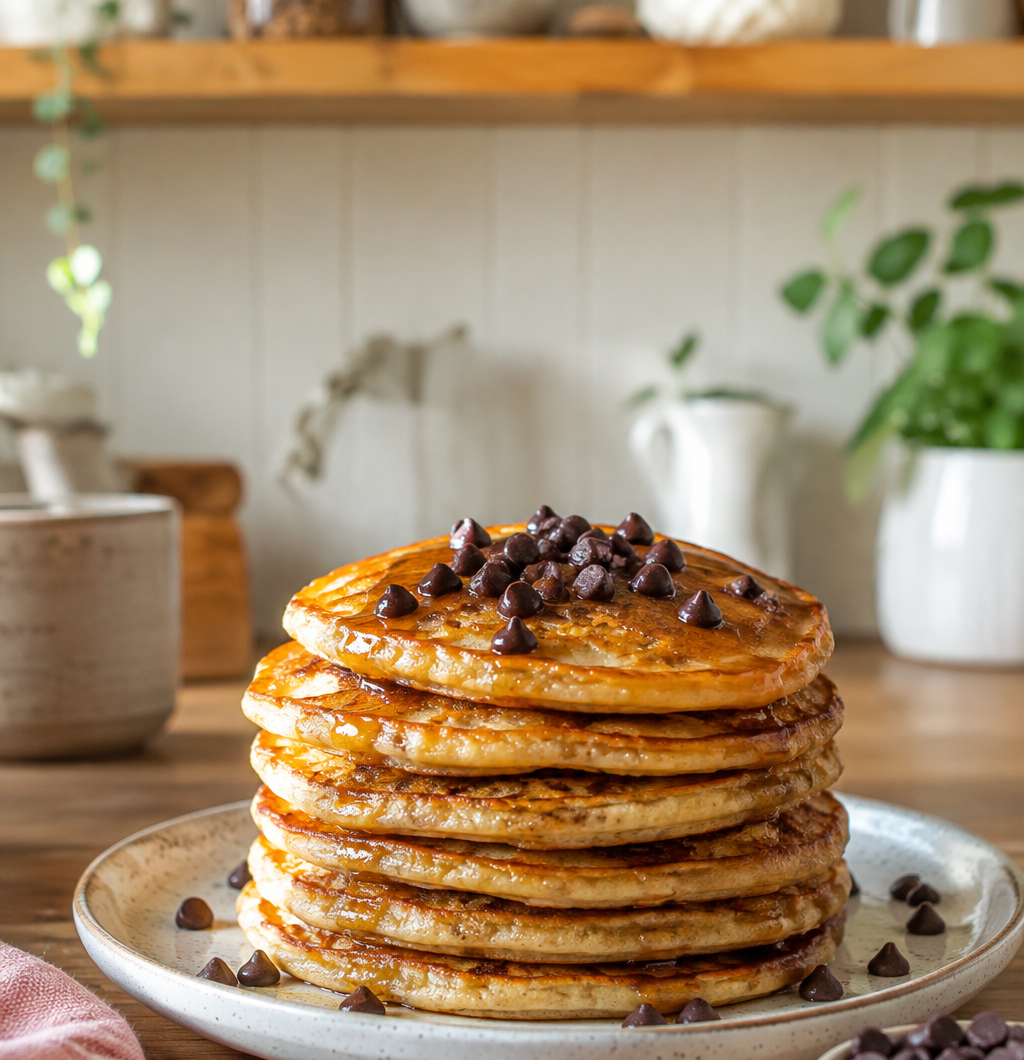
Low Carbs Pan Cake
Fluffy, flourless pancakes made with creamy nut butter, eggs, baking powder, and flax meal or psyllium powder.
5
servings15
minutes5
minutes337
kcal20
minutesIngredients
- Main Ingredients
⅓ cup creamy nut butter (no-stir nut butter works best)
2 large (or 3 small) eggs
2 teaspoons baking powder
½ Tablespoon flax meal or 1 teaspoon psyllium powder
- Optional Mix-Ins or Toppings
2–3 teaspoons chia seeds to increase plant protein
Toppings: dark chocolate chips, fruit, nuts, etc.
Directions
- Preheat the Cooking Surface
- Pre-heat a non-stick griddle, or pan over medium heat. If using a non-stick griddle, there’s no need to grease the pan before adding the batter.
- Blend the Batter
- Place all of the ingredients in a large bowl. Use an immersion blender, a regular hand blender, or a blender with a whisk attachment to blend the ingredients for about 1 minute or until the nut butter is combined and the batter is smooth.
- Prepare the Pan
- Add ½ Tablespoon of butter to the pan, or spray the cooking surface with cooking oil.
- Cook the First Side
- When the butter or oil is very hot but not smoking, pour ¼–⅓ cup of the batter onto the pan. Cook until the edges begin to brown and bubbles form in the middle.
- Flip
- Carefully flip the pancake over once the edges have browned and bubbles have formed. Continue cooking until the second side is browned and the pancake is cooked through.
- Continue Cooking
- Repeat the cooking process until all of the batter has been used.
- Serve
- Serve the pancakes hot with your preferred toppings. The recipe makes approximately 4–5 medium-sized pancakes or 7–9 silver dollar-sized pancakes.
- Store for Later
- To freeze, place parchment paper between the pancakes to prevent them from sticking together. Store frozen pancakes for up to 3 months.
Notes
- For the lightest and fluffiest flourless pancakes, incorporate air into the batter during blending.
- An immersion blender fitted with a whisk attachment is an easy option, but a high-speed blender can also be used.
- For thinner pancakes, stir 1–2 Tablespoons of milk into the pancake batter.
- Chia seeds can be added as an optional mix-in.
- Dark chocolate chips, fruit, and nuts can be used as toppings.
- If preparing the pancakes dairy-free, use cooking oil instead of butter and select suitable dairy-free toppings.
- Watch the pan carefully while cooking because heat levels vary between stovetops and cookware.
Nutrition Facts
- Calories: 337kcal
- Fat: 26.8g
- Carbohydrates: 12.2g
- Fiber: 4.6g
- Sugar: 1.9g
- Protein: 16.1g
