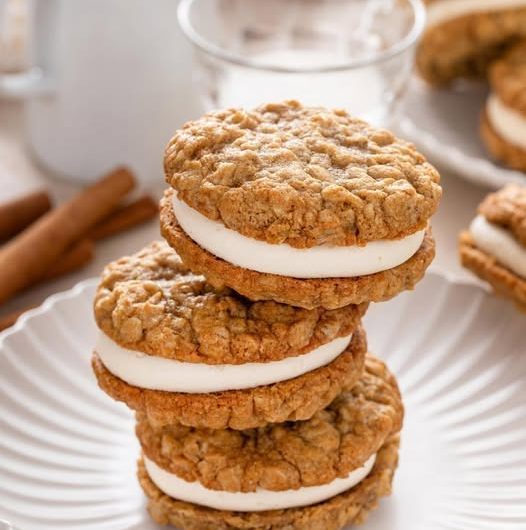

If you are looking for the best soft and chewy oatmeal raisin cookies, this recipe delivers the classic homemade texture everyone loves. Each cookie has lightly crisp edges, a soft center, chewy old-fashioned oats, sweet raisins, and warm cinnamon flavor. Brown sugar adds moisture and richness, while a small amount of molasses gives these cookies a deeper, more developed taste. They are easy enough for everyday baking but delicious enough for holidays, bake sales, and family gatherings.
Why These Oatmeal Raisin Cookies Are So Good
A good oatmeal raisin cookie should be soft in the center, pleasantly chewy, and packed with oats and raisins. This easy oatmeal raisin cookie recipe brings those qualities together with a simple combination of butter, brown sugar, granulated sugar, eggs, vanilla, molasses, flour, cinnamon, baking soda, salt, oats, and raisins. The result is a rich, buttery cookie with a tender texture and plenty of classic oatmeal raisin flavor.
The combination of brown sugar and granulated sugar is particularly important. Brown sugar provides moisture and a deeper caramel-like sweetness, helping the cookies stay soft after baking. Granulated sugar adds sweetness while encouraging the edges to become lightly golden. Using both gives the cookies a balanced flavor and texture rather than making them overly soft or overly crisp.
Old-fashioned whole rolled oats are another key ingredient. They provide the signature chewiness that makes oatmeal cookies different from ordinary drop cookies. Their larger texture remains noticeable after baking, creating a satisfying bite alongside the soft cookie dough and tender raisins.
The Secret Ingredient: Molasses
A small amount of molasses gives these cookies an extra layer of flavor. It works especially well with brown sugar, cinnamon, butter, and raisins, adding richness without making the cookies taste strongly of molasses.
Use unsulphured or dark molasses for the best result. Blackstrap molasses is much stronger and more bitter, so it is not recommended for this recipe. The goal is to enhance the flavor of the oatmeal raisin cookies, not overpower the other ingredients.
Choosing the Right Butter
Butter is the foundation of the cookie dough, so its temperature is important. Use softened, room-temperature unsalted butter rather than melted butter. Soft butter creams properly with the sugars, helping create the texture needed for soft and chewy cookies.
If the butter is too cold, it may not blend smoothly with the sugars. On the other hand, melted butter can make the dough excessively soft and encourage the cookies to spread too much in the oven. Allow the butter to soften naturally until it is easy to press but still holds its shape.
Using unsalted butter also gives you better control over the overall flavor because the recipe contains salt separately.
Brown Sugar and Granulated Sugar
The mixture of brown sugar and granulated sugar gives these homemade oatmeal raisin cookies their appealing balance of softness and structure. Brown sugar contains molasses, which adds moisture and contributes to the chewy texture. It also provides a richer flavor than granulated sugar alone.
You can use either light or dark brown sugar. Light brown sugar gives a milder flavor, while dark brown sugar provides a stronger molasses note. Both work well with the cinnamon and raisins.
When measuring the brown sugar, pack it firmly into the measuring cup. Accurate measurements are important when making cookies because changing the amount of sugar or flour can affect the way the dough spreads and the final texture.
Why Eggs Matter
Two large eggs help bind the ingredients together and add moisture and richness. They give the dough enough structure to hold the oats and raisins while helping the baked cookies remain tender.
Add the eggs after creaming the butter and sugars. Mix until they are fully incorporated, scraping down the sides and bottom of the bowl as necessary. Using large eggs as specified helps maintain the intended moisture level of the dough.
Vanilla, Cinnamon, and Salt
Pure vanilla extract adds a familiar sweet aroma and complements the butter, brown sugar, oats, and raisins. Cinnamon provides the warm spice flavor that is closely associated with classic oatmeal raisin cookies.
Salt may seem like a small ingredient, but it plays an important role. It balances the sweetness and helps the other flavors taste more pronounced. The combination of vanilla, cinnamon, and salt creates a well-rounded cookie without allowing any single flavor to overpower the others.
Preparing the Raisins
Raisins can become firmer during baking, particularly when they are naturally dry. For softer and plumper raisins, soak them briefly in warm water before adding them to the dough.
After soaking, drain the raisins thoroughly and blot them dry. Removing excess moisture is important because additional water can affect the consistency of the cookie dough.
This step is optional, but it can make the raisins more tender and enjoyable. Soft raisins also provide lovely sweet bites throughout the chewy oatmeal cookies.
Preparing the Cookie Dough
Begin by placing the softened butter, brown sugar, and granulated sugar in a large mixing bowl. Using a hand mixer or stand mixer fitted with a paddle attachment, cream the mixture on medium speed for about three minutes, until smooth and well combined.
Add the eggs and mix on high until incorporated. Scrape the bowl when necessary to ensure that all the ingredients are evenly mixed. Add the vanilla extract and molasses, then mix again until the mixture is smooth.
Creaming the butter and sugars properly helps establish the structure of the cookies. Taking a little extra time during this stage can make a noticeable difference in the finished texture.
Combining the Dry Ingredients
In another bowl, whisk together the all-purpose flour, baking soda, cinnamon, and salt. Combining these ingredients separately helps distribute the baking soda and seasonings evenly throughout the flour.
Add the dry mixture to the wet ingredients and mix on low speed until just combined. Avoid overmixing the dough once the flour has disappeared. Too much mixing can make cookies tougher rather than soft and tender.
At this stage, the dough will begin to become thick. This is completely normal because oatmeal cookie dough contains a generous amount of rolled oats.
Adding the Oats, Raisins, and Walnuts
Add the old-fashioned whole rolled oats and raisins to the dough. If you are using the optional chopped toasted walnuts, add them at the same time.
Mix on low speed only until everything is evenly distributed. The dough should be thick and sticky. Do not add extra flour simply because it feels sticky. Additional flour can make the finished oatmeal raisin cookies too dense or dry.
The optional walnuts add crunch and a toasted nutty flavor, but they are not necessary. Without them, the cookies still have plenty of flavor and texture from the oats and raisins.
Why Chilling the Dough Matters
Chilling the cookie dough for 30 to 60 minutes helps control how much the cookies spread during baking. Freshly mixed dough is soft, and baking it immediately can cause the cookies to flatten too quickly.
Refrigeration firms the butter and gives the oats time to absorb some of the moisture. This helps create cookies with thicker centers and better-defined edges.
If you are concerned about spreading, refrigerate the dough for the full hour. The dough can also be refrigerated for up to two days. If it has been chilled for an extended period, allow it to sit at room temperature for at least 30 minutes before shaping.
Preparing the Baking Sheets
Preheat the oven to 350°F (177°C). Line two large baking sheets with parchment paper or silicone baking mats.
Lining the baking sheets helps prevent sticking and makes cleanup easier. It also provides a reliable baking surface for the cookies.
If you are making several batches, avoid placing fresh dough on a baking sheet that is still hot from the previous batch. A hot baking sheet can cause the butter in the dough to melt too quickly and may result in excessive spreading.
Shaping the Cookies
Use approximately two tablespoons of dough for each cookie. Because the dough is sticky, a cookie scoop is useful for creating evenly sized portions.
Place the dough balls about two inches apart on the prepared baking sheets. This spacing allows the cookies to spread without touching each other.
Try to keep the dough portions similar in size so they bake evenly. There is no need to flatten them heavily before baking because the cookies will spread naturally in the oven.
Baking the Oatmeal Raisin Cookies
Bake the cookies for 12 to 14 minutes, or until the edges are lightly browned. The centers should still look soft when you remove the cookies from the oven.
This is one of the most important details for making soft oatmeal raisin cookies. The centers do not need to look completely baked when the cookies come out. They will continue to set from the residual heat of the baking sheet.
Leave the cookies on the baking sheet for about five minutes after removing them from the oven. Then carefully transfer them to a wire rack to cool completely.
How to Keep Oatmeal Raisin Cookies Soft
Avoid overbaking if you want soft and chewy cookies. Lightly browned edges with soft-looking centers are the ideal visual cues. As the cookies cool, the centers will become firmer while remaining tender.
Once completely cool, store the cookies in an airtight container. Keeping them protected from air helps prevent them from drying out and allows the soft texture to last longer.
The combination of brown sugar, old-fashioned oats, molasses, and careful baking time is what gives these cookies their characteristic chewy texture.
Common Mistakes to Avoid
One common mistake is adding extra flour because the dough feels sticky. Oatmeal cookie dough is naturally thick and sticky, and adding more flour can make the cookies dry and heavy.
Another mistake is skipping the chilling period. Chilling is especially helpful when the dough is very soft or the kitchen is warm. It helps firm the butter and reduces excessive spreading.
Overbaking is another problem. If the centers look completely firm and dry before the cookies leave the oven, they may become too hard after cooling. Remove them while the centers are still soft.
Also, avoid overcrowding the baking sheets. Keeping the dough portions about two inches apart gives the cookies enough room to spread evenly.
Notes for Better Results
For the best oatmeal raisin cookies, use room-temperature butter, large eggs, properly measured flour, and old-fashioned whole rolled oats. If you soak the raisins, make sure they are well drained and blotted dry before adding them to the dough.
The optional walnuts can be omitted without changing the basic recipe. If you prepare the dough ahead of time, refrigerate it for up to two days and allow it to sit at room temperature for at least 30 minutes before shaping.
Remember that freshly baked cookies should look softer than you may expect. The five-minute resting period on the baking sheet is part of the baking process and allows the centers to set properly.
Serving Soft Oatmeal Raisin Cookies
These soft and chewy oatmeal raisin cookies make an excellent everyday dessert, afternoon snack, lunchbox treat, or addition to a holiday cookie platter. Their combination of brown sugar, cinnamon, raisins, vanilla, butter, and oats gives them a classic homemade flavor that works for almost any occasion.
Serve the cookies completely cooled for their full chewy texture, or enjoy them slightly warm when the centers are especially tender. They pair particularly well with cold milk, coffee, or tea.
With a yield of approximately 26 to 30 cookies, this recipe is also convenient when you need a batch to share with family, friends, or guests.
Why This Recipe Works
The success of these cookies comes from the balance of ingredients and the baking method. Butter provides richness, brown sugar adds moisture, granulated sugar contributes sweetness, eggs bind the dough, and flour gives the cookies structure.
Old-fashioned oats create the signature chewy texture, while raisins add naturally sweet, tender bites. Cinnamon and vanilla provide warmth and aroma, and molasses adds subtle depth to the overall flavor.
Finally, chilling the dough helps control spreading, while removing the cookies when the edges are lightly browned keeps the centers soft. Allowing them to rest on the baking sheet for five minutes gives the cookies enough time to finish setting without losing their tender texture.
Soft and chewy oatmeal
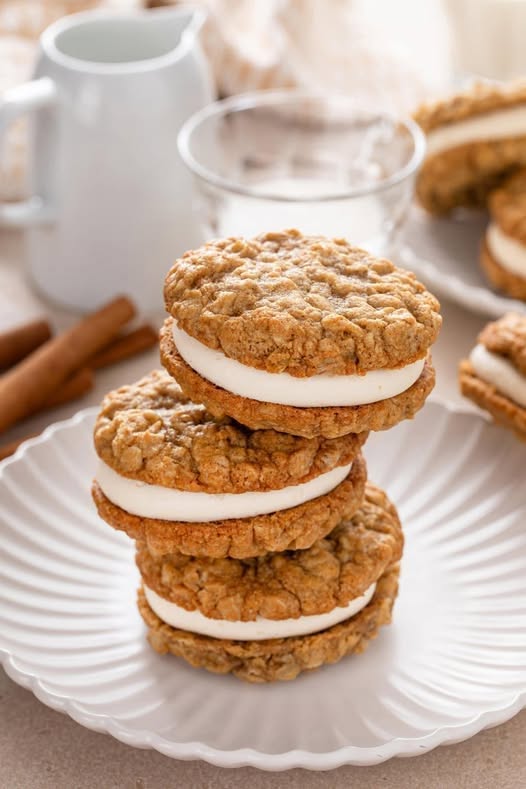
Soft and chewy oatmeal raisin cookies made with butter, brown sugar, granulated sugar, vanilla, cinnamon, old-fashioned rolled oats, raisins, and a small amount of molasses for deeper flavor.
26
Cookies45
minutes13
minutes300
kcalIngredients
1 cup (16 Tbsp; 226g) unsalted butter, room temperature
1 cup (200g) packed light or dark brown sugar
1/4 cup (50g) granulated sugar
2 large eggs
2 teaspoons pure vanilla extract
1 Tablespoon (15ml) unsulphured or dark molasses (do not use blackstrap; I prefer Grandma’s brand)
3 cups (255g) old-fashioned whole rolled oats1 and 2/3 cups (209g) all-purpose flour
1 teaspoon baking soda
1 and 1/2 teaspoons ground cinnamon
1/2 teaspoon salt
